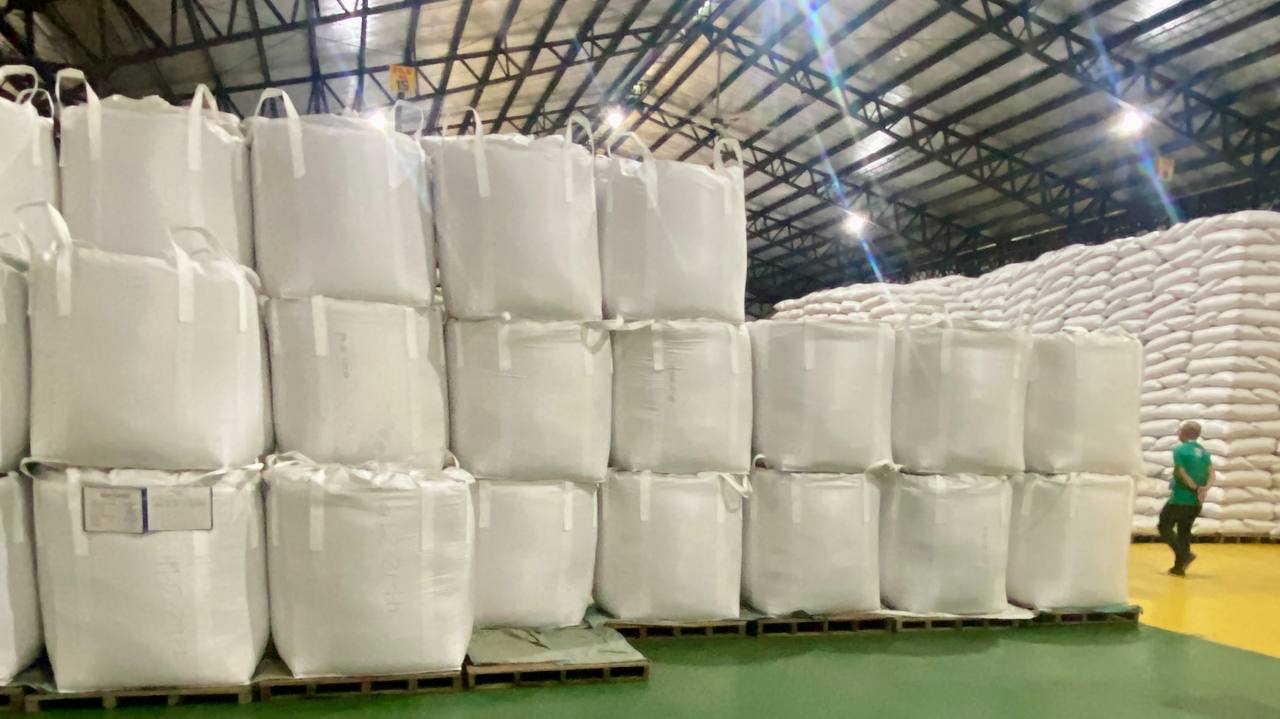
Agriculture Secretary Francisco Tiu Laurel Jr. signaled a major shift in the country’s rice import strategy on Wednesday, issuing an advisory that points to significantly lower import requirements for the first quarter of 2026.
The Philippines is set to lift its four-month import ban in early January, allowing the Bureau of Plant Industry to resume processing applications. Imports of certain rice varieties were permitted during the moratorium, but most commercial shipments were paused as the government assessed local output.
The latest advisory draws on fresh field validations showing that domestic production remained robust despite several typhoons entering the country in the last quarter. Tiu Laurel reported some damage to standing crops compared with early projections. He credits farmer resilience, better disaster preparedness, and fortuitous storm timing that spared key rice-growing areas during vulnerable growth stages.
The Department of Agriculture now projects a 19.61 to 19.89 million metric tons of palay harvest for 2025—near record levels, though slightly below the earlier 20.46-million-ton target as Q4 production projections were lowered due to recent weather disturbances. Despite this, the forecaste output remains close to the 2023 all-time high of 20.06 million metric tons and exceeds the 2024 PSA-reported production of 19.09 million metric tons, signaling a strong rebound in the country’s rice output.
Tiu Laurel also addressed mounting speculation among traditional rice-exporting nations anticipating the Philippines’ re-entry into the global market. Some suppliers, he said, appear to be positioning for higher price quotes on the assumption that the country will resume large-volume purchases early next year.
He pushed back sharply, stressing that the government will not allow foreign suppliers to take advantage of the country’s food security mechanisms. The Philippines, he said, is encouraging private importers to diversify their sourcing and pursue partners that prioritize stable pricing and long-term cooperation.
“While we value the partnerships we have in pur traditional suppliers, food security is important that the diversification of sources is vital, “ DA Chief said.
The DA will release its adjusted import matrix with the protection of farm gate prices and the prevention of predatory import practices remaining central to its strategy.