The Philippine art market in 2025 didn’t just hang on the wall—it strutted. With gavels swinging and wallets wide open, collectors sent a clear message: art is not only alive, it is thriving.
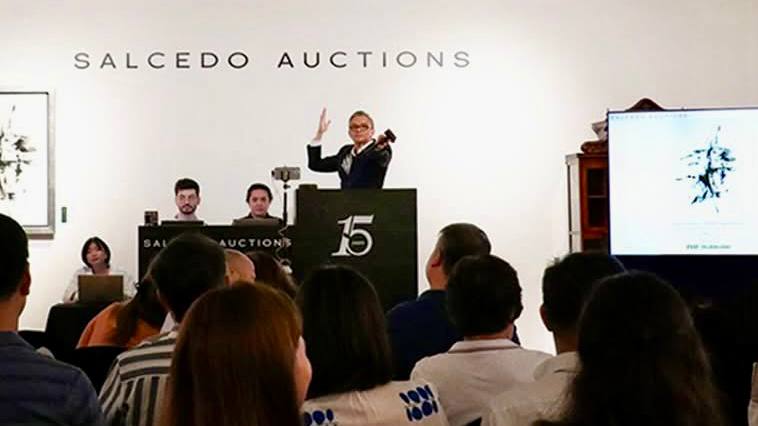
Salcedo Auctions, long a mood ring of the local art scene, closed the year with a top 10 list that rang up a heady P236.52 million. “These sales defined the year at auction,” the house said—and indeed, they read like a confidence index for culture.
Stealing the spotlight were two Fernandos, proving that first names still matter. Fernando Zóbel took the crown, his Icaro 1 (1959) soaring to P44.38 million, a world record for the series. Another 1959 work, Erenos, followed at P28.03 million, while Planting Rice (1949) quietly planted P14.6 million more in Zóbel territory. Four of the top 10, secured.
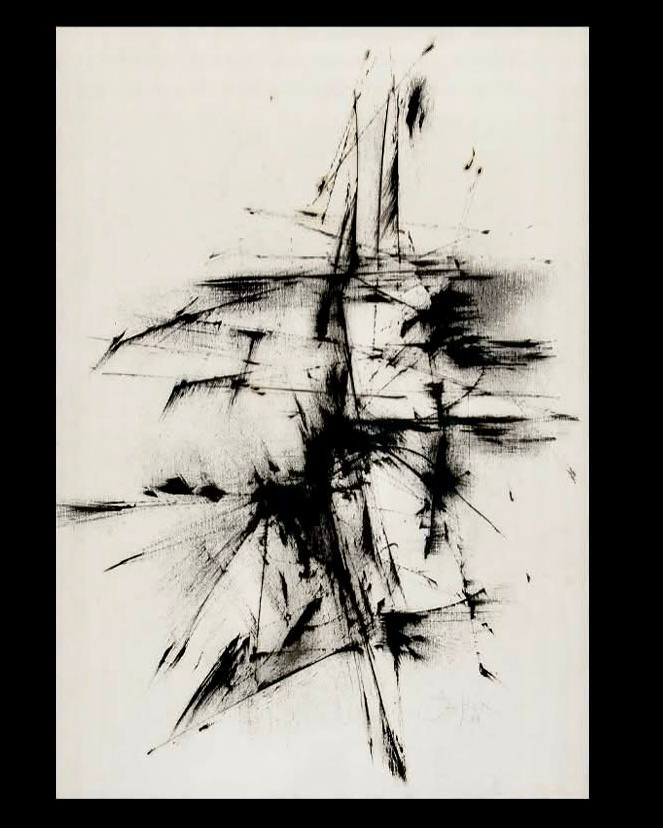
History flexed its muscle next. Felix Martinez’s La Jota Manileña (1886) danced its way to P39.71 million, setting a world record for the artist. Jose Joya’s Flight (1962) lived up to its title, soaring to P37.38 million, also a world record, size considered.
Contemporary names held their ground—and then some. Annie Cabigting’s An Afternoon with Rothko (2010) set a personal best at P22.19 million, while Ronald Ventura’s Waves (2021) proved that new paint can still make big ripples at P14.02 million.
Anchoring the list were blue-chip classics: Felix Resurrection Hidalgo’s Interior de Una Casa (circa 1901), Vicente Manansala’s untitle paint of carabaos (1965) at a record P12.85 million, and Amorsolo’s Rice Harvest—Cooking the Noonday Meal (1939) at P9.34 million.
The takeaway? In the Philippines, art isn’t just a passion play—it’s a power move.