



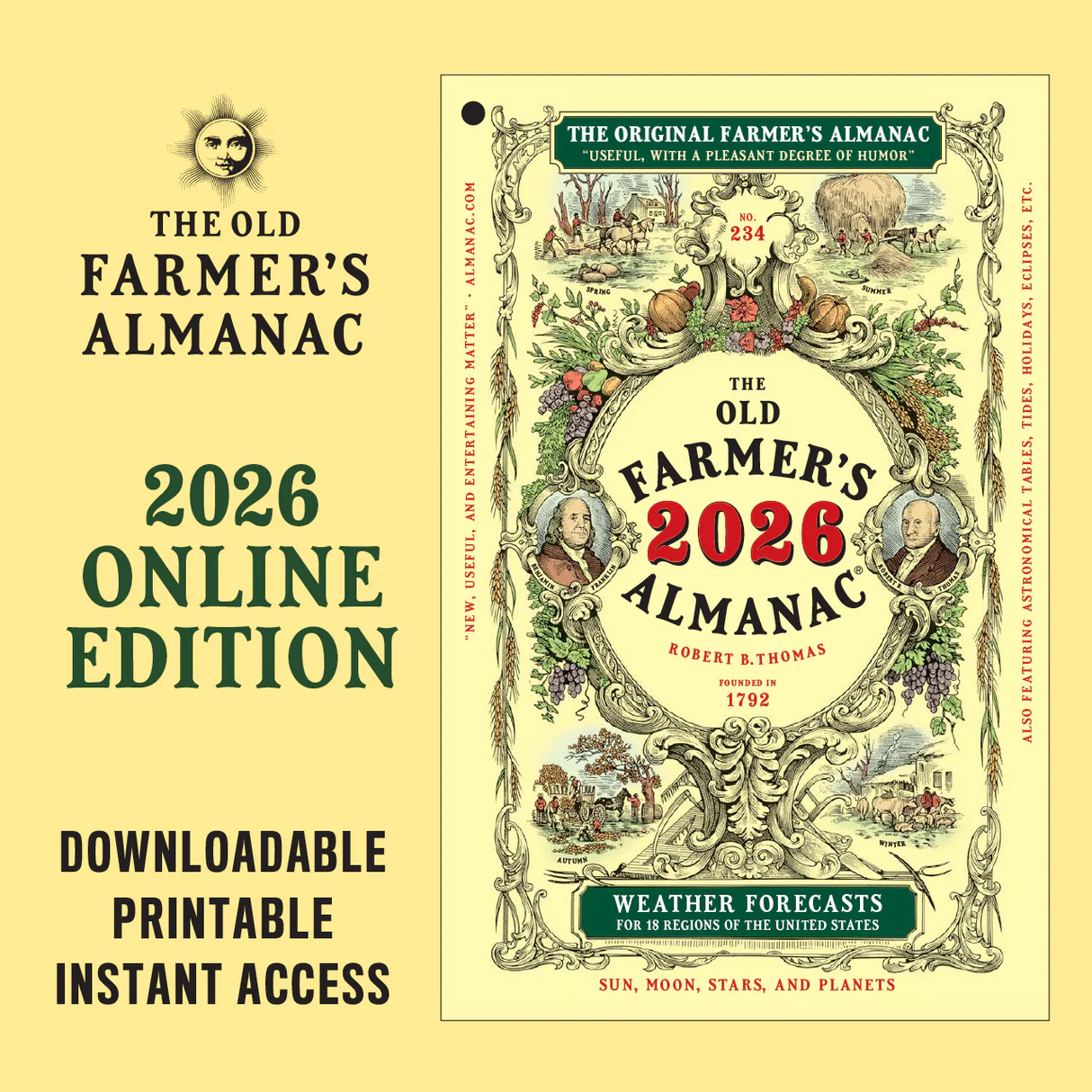

The Farmers’ Almanac did not so much die as it was politely forced into early retirement. After 208 years of forecasting frost and fortune, this venerable annual faced the same forces now battering legacy media everywhere: rising costs, collapsing print economics, and a digital world that rewards clicks over contemplation.
Its goodbye was dignified, even lyrical. “It is with a heavy heart,” editor Sandi Duncan wrote, calling the Almanac “a way of life” connecting generations through simplicity, sustainability, and respect for nature. Yet irony is alive and well—the final 2026 edition sold out. Demand remains. The math simply does not add up.
These developments offer a mirror for local print media, whose shift to digital has been palpable. Case in point: the Philippine Daily Inquirer merged its print and online operations, with the digital arm quickly taking the wheel. Rising costs and falling revenues left no other choice. That maneuver is not a one-off; it is a crystal ball showing what is likely in store for other legacy titles.
Globally, the picture is brutal. Thousands of newspapers have folded since the pandemic. Over 700 U.S. papers shuttered since 2019 alone, leaving “news deserts” in their wake. COVID did not kill print—it simply accelerated its timeline.
Then there is artificial intelligence. From journalism to agriculture, algorithms summarize, transcribe, translate, and forecast faster than presses can roll. Long-range prophecy—the Almanac’s signature charm—is now just another data set for AI to spew. Authority today favors speed, scale, and discoverability over heritage and heft.
Local print media is navigating a narrowing lane. Downsizing, digital-first pivots, or full exits are increasingly inevitable. Print may survive as a collectible, a cultural ornament like the sold-out Almanac—but not as the main act.
The takeaway is blunt. Even institutions you treasure can outlive their economics. The Almanac’s graceful farewell and the Inquirer’s digital coup deliver the same stark truth: journalism endures—but paper is rapidly becoming optional.




