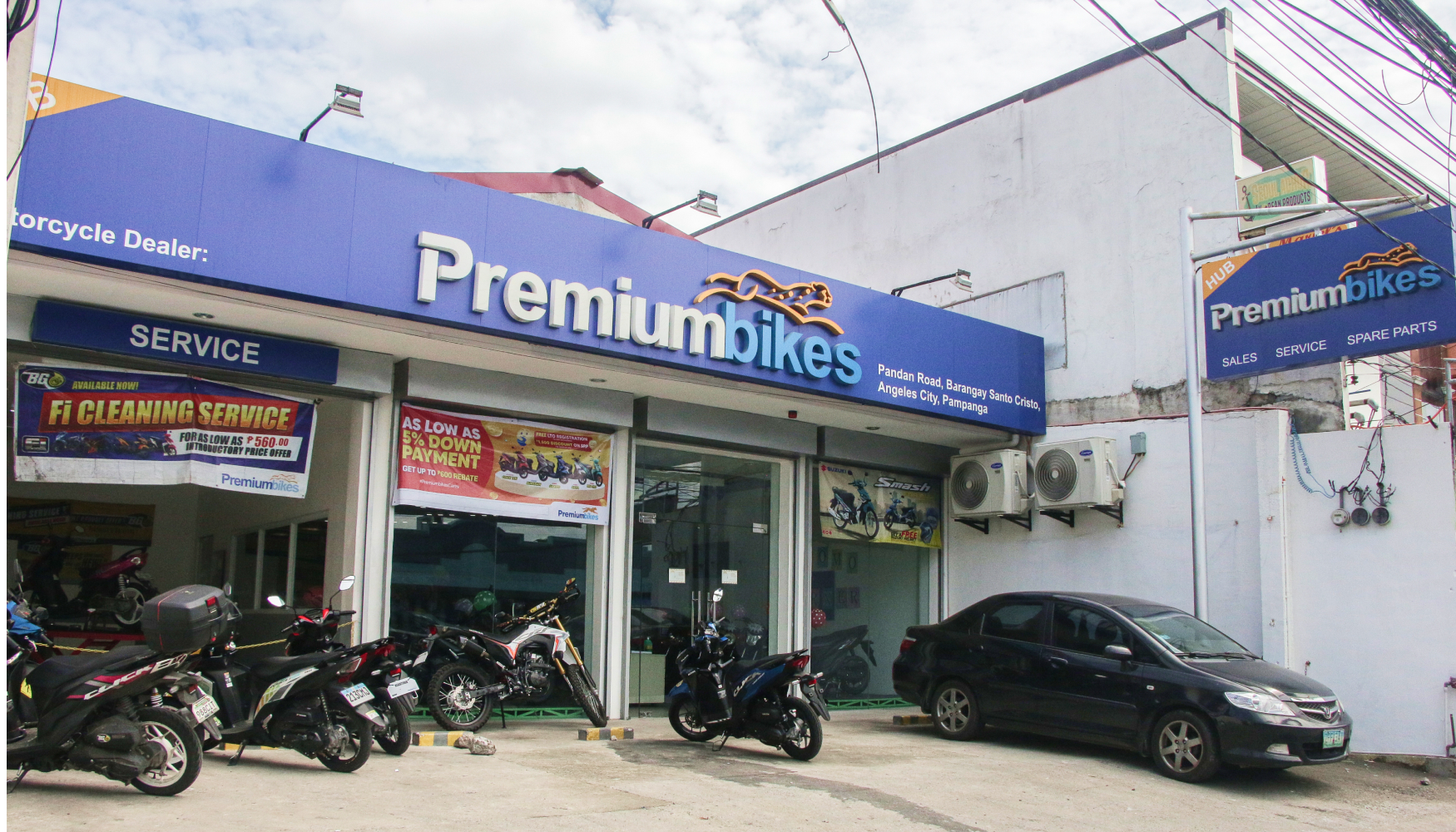
The Gokongwei group is revving into a new growth lane after the Philippine Competition Commission (PCC) cleared Robinsons Supermarket Corporation’s acquisition of 100 percent of Premiumbikes Corp., marking the retailer’s first foray into the automotive sector.
In a statement, the PCC said the transaction will not result in a substantial lessening of competition, citing the complementary nature of the parties’ businesses and their limited market shares in overlapping segments.
Robinsons Supermarket, a unit of JG Summit Holdings, is one of the country’s largest retailers, operating brands such as Robinsons Supermarket, Robinsons Easymart, Shopwise, The Marketplace, Robinsons Department Store, and convenience chain Uncle John’s.
Through Robinsons Handyman, it also runs the Handyman Do It Best and True Value home improvement stores.
Premiumbikes, meanwhile, is a leading motorcycle retailer and distributor with more than 200 branches nationwide. It carries a broad portfolio of major motorcycle brands—including Yamaha, Honda, Kawasaki, Suzuki, TVS, and Kymco—along with spare parts, accessories, oils, and lubricants.
The PCC’s Mergers and Acquisitions Office examined competition conditions at the city and municipal level, focusing on the retail sale of motorcycle accessories and motorcycle oils and lubricants where both groups have a presence. The review incorporated submissions from the companies and feedback from regulators, competitors, and industry associations.
The watchdog concluded that the merged entity would have neither the ability nor the incentive to exercise market power, given the presence of numerous competing players.
The clearance opens the door for the Gokongwei group to tap the resilient motorcycle market, a segment buoyed by rising demand for affordable mobility, delivery services, and provincial transport.
For Robinsons, Premiumbikes offers a platform to diversify beyond traditional retail and potentially unlock synergies in logistics, real estate, and consumer data. While competition risks appear limited for now, the deal underscores how conglomerates are positioning for growth in practical, mass-market mobility—an area likely to remain robust even amid uneven economic conditions.