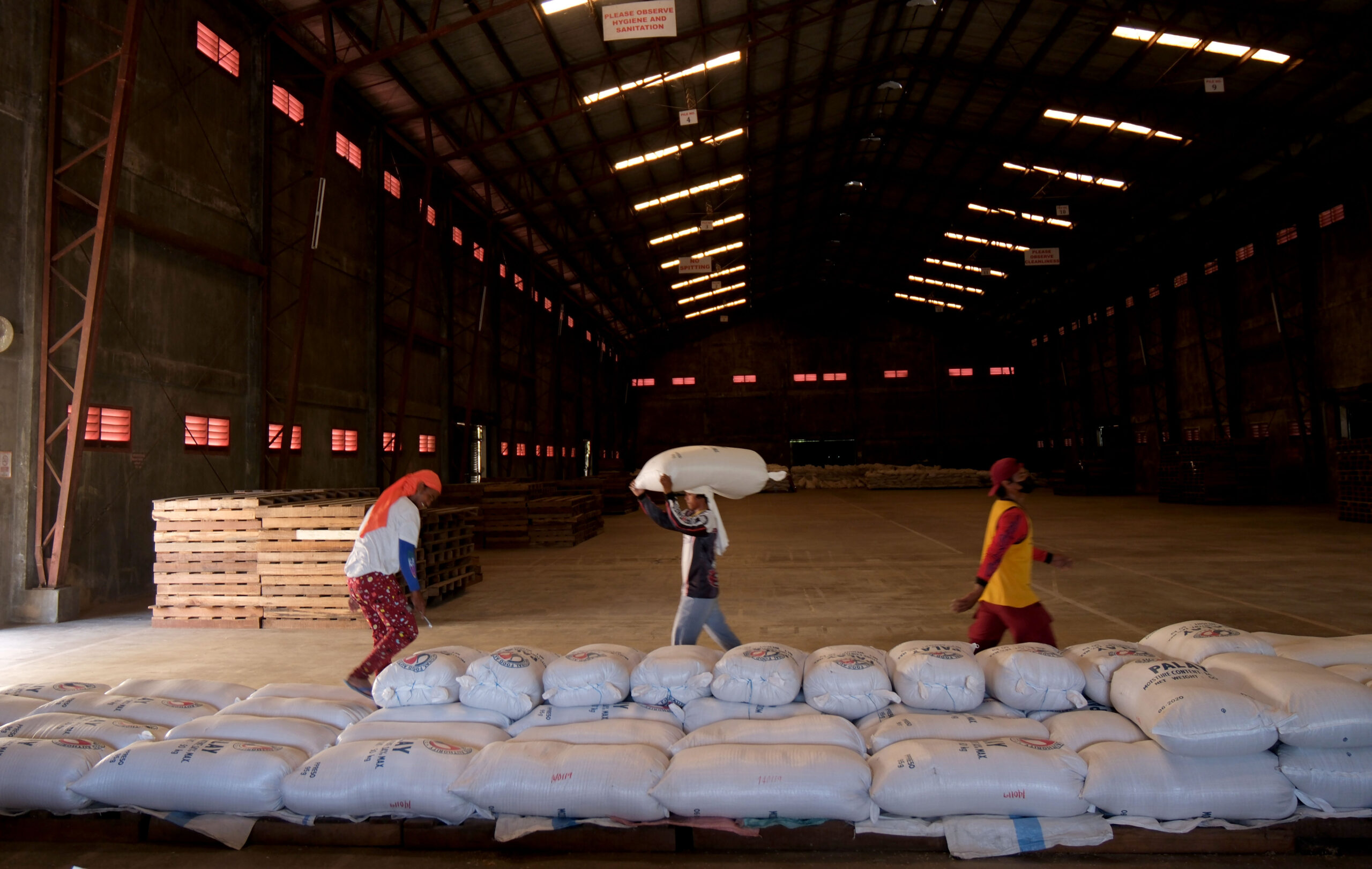
The country closed November with fuller rice granaries, even as corn inventories cooled heading into December—signaling mixed dynamics in staple food supply chains.
As of 01 December 2025, total rice stocks inventory was estimated at 2.70 million metric tons, up 5.8 percent from 2.56 million metric tons recorded in the same period last year. The increase underscores steady accumulation across key holding sectors, despite uneven month-on-month movements.
Compared with November 2025, rice inventories rose by 5.9 percent from 2.55 million metric tons, reflecting stronger inflows toward the end of the year. On an annual basis, the sharpest growth came from NFA depositories, where stocks surged by 217 percent, followed by a 14 percent rise in household-held rice. In contrast, the commercial sector posted a 19 percent year-on-year decline, suggesting tighter trade-held volumes.
Month-on-month figures, however, painted a more nuanced picture. Rice stocks in the commercial sector jumped 29.4 percent, while inventories held by households fell by 10.7 percent and NFA depositories edged down by 1.0 percent. By share, commercial players accounted for 45 percent of total rice stocks, households 38.0 percent, and NFA depositories 17 percent.
Corn inventories told a different story. As of 01 December 2025, total corn stocks reached 675,000 thousand metric tons, marking a robust 23 percent increase from 548,310 thousand metric tons a year earlier. Despite the annual gain, corn stocks slipped 15 percent month-on-month from 790,160 metric tons in November, pointing to seasonal drawdowns.
Together, the figures suggest strengthening annual buffers for staples, tempered by short-term adjustments as markets recalibrate supply and demand entering year-end.