Gray-market vehicles may look like bargains, but the Auto Body Manufacturers Association of the Philippines (ABMAP) says their true price is paid in safety risks, lost jobs, and billions in foregone public revenue.
ABMAP has thrown its weight behind the Land Transportation Office’s (LTO) recent crackdown on illegally imported mini vehicles and Japan Domestic Market (JDM) kei cars, warning that unchecked gray imports undermine road safety and weaken the country’s automotive manufacturing base.
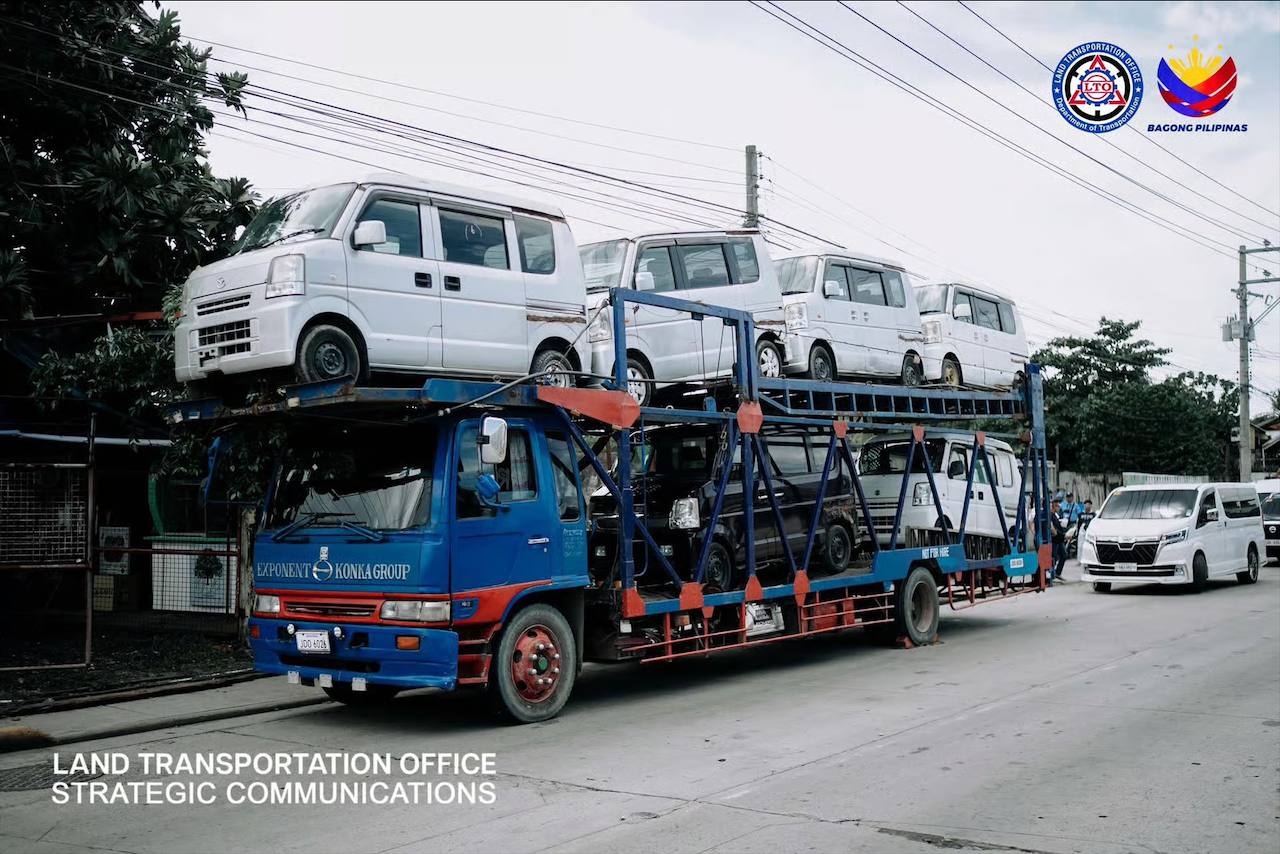
In recent months, the LTO has restricted or denied registration for several gray-market mini vehicles—among them imported variants of the Suzuki Jimny, Hustler, Spacia, Palette, Wagon R, and Stingray—that entered the country outside official distributor channels. Many of these units arrive via used-vehicle auction exporters and are either right-hand drive (RHD) or crudely converted to left-hand drive (LHD).
Under Republic Act No. 8506, RHD vehicles are banned from operating on Philippine public roads. While some importers attempt RHD-to-LHD conversions, regulators have repeatedly raised alarms over compromised structural integrity, altered steering geometry, braking performance, and crashworthiness.
“Conversion is not simply flipping the steering wheel,” said Edgar Manuel, executive director of ABMAP. “If improperly done, it affects the vehicle’s steering geometry, braking systems, crash structure, and overall safety performance. Given these engineering realities, the LTO’s careful enforcement is justified.”
ABMAP also warned that gray imports often bypass homologation, emissions testing, safety certification, and customs duties—costs shouldered by legitimate manufacturers and distributors. Industry estimates suggest each illegally imported vehicle may evade P300,000 to P600,000 in taxes and duties, potentially costing the government P3 billion to P6 billion annually.
Beyond revenues, the stakes are economic. The automotive sector contributes roughly 1.5 to 2 percent of GDP and supports up to 300,000 jobs nationwide. “Cracking down on illegal vehicles isn’t protectionism,” Manuel said. “It’s about safety, fairness, and protecting long-term investment.”