At 30, Panagbenga is no longer just a flower festival—it is a full-blown economic engine in full technicolor bloom, petals unfurled, prizes pumped up, and Baguio City once again proving that recovery, like flowers, thrives when carefully tended.
Every year, the Philippines’ Summer Capital erupts into a kaleidoscope of color as Panagbenga—derived from the Kankanaey word for “a season of blooming”—takes over the City of Pines.
What began as a gesture of healing has grown into the country’s largest cultural and tourism spectacle, a month-long reminder that Baguio doesn’t just bounce back—it blossoms bigger.
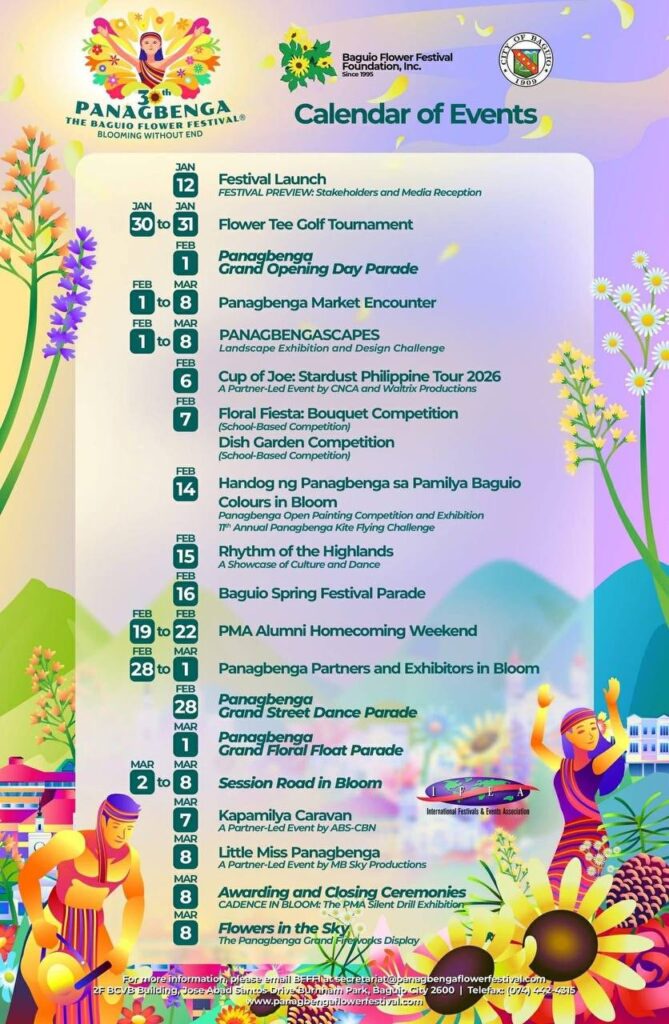
This year’s edition carries extra heft and history, marking three decades since Panagbenga first took root. And for its 30th anniversary, the festival isn’t simply looking back—it’s raising the stakes. Literally.
The Grand Float Parade, Panagbenga’s most bankable crowd magnet, is getting a financial glow-up. The top prize for the large float category has been raised to a cool P1 million, up from P600,000 last year—a move organizers say is designed to fuel bigger, bolder, and more imaginative creations.
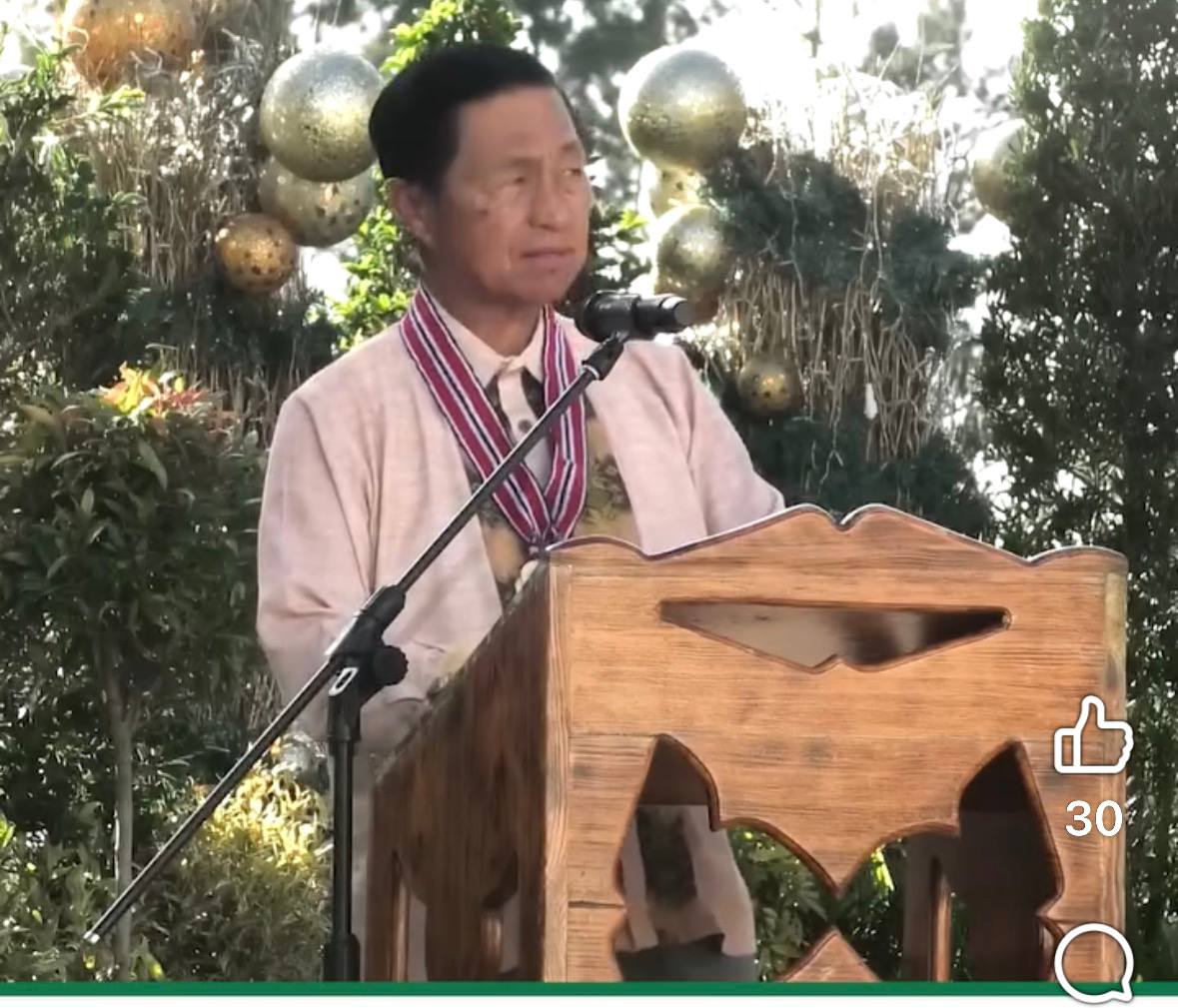
“We want to push creativity further,” said Panagbenga Executive Committee Co-Chairman Anthony de Leon during the festival’s January 12 launch. “The floats are one of our biggest attractions, and this year, we expect even more participants across all categories.”
In 2025, the parade drew a record-breaking 44 float entries. This year, organizers are betting that a seven-figure prize will turn friendly competition into floral spectacle on steroids—more petals, more engineering, more wow.
But Panagbenga’s roots run deeper than prizes and pageantry.
Born from the rubble of the devastating 1990 Luzon earthquake, the festival was originally conceived as a way to heal Baguio’s wounded spirit, restore confidence, and revive its tourism-dependent economy. Thirty years later, those goals remain intact—just scaled up.
Baguio Rep. Mauricio Domogan, chair of the Baguio Flower Festival Foundation Inc. (BFFI), underscored that the festival still honors its four founding pillars.
First, gratitude—for life, for nature, and for the flowers that flourish in Baguio’s cool climate, coupled with a reminder of the city’s responsibility to protect its environment.
Second, unity—bringing together residents of all tribes and backgrounds as one Baguio family.
Third, cultural pride—showcasing Cordilleran traditions found nowhere else in the country. And fourth, economic sustainability—keeping tourism vibrant and reinforcing Baguio’s role as the Cordilleras’ commercial and educational hub.
From a business standpoint, Panagbenga is prime season.
Department of Tourism–CAR Regional Director Jovy Ganongan noted that the festival’s economic ripple effect extends far beyond hotels and restaurants. Street vendors, flower growers, transport operators, artisans, and micro-entrepreneurs all benefit from the annual surge of visitors.
“It’s a livelihood multiplier,” Ganongan said. “Panagbenga spreads opportunity across the community.”
Equally central to the festival’s longevity is its early embrace of sustainability—long before “eco-friendly” became a marketing buzzword.
De Leon pointed out that initiatives like Session Road in Bloom banned single-use plastics more than a decade ago. Today, tenants and vendors are required to use recyclable packaging, reinforcing Panagbenga’s reputation as a festival that blooms responsibly.
At 30, Panagbenga is no longer just a celebration—it’s a case study in how culture, commerce, and community can grow together. With higher prizes, deeper purpose, and petals still pointing toward the future, Baguio’s season of blooming shows no signs of wilting anytime soon.