The Philippines is courting fresh capital from the United Arab Emirates, sharpening its pitch around energy security and digital infrastructure as talks advance with two heavyweight Emirati groups.
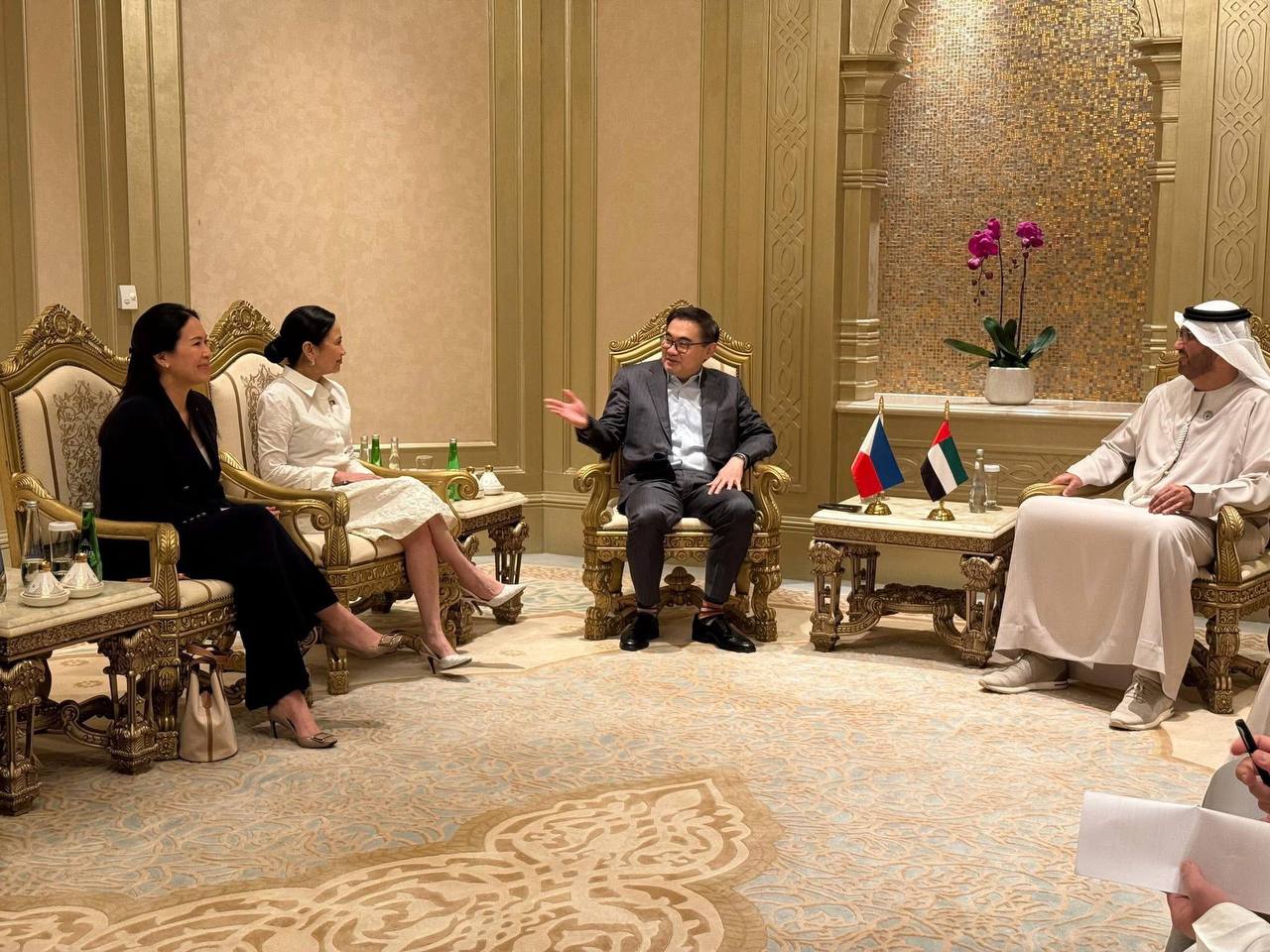
Finance Secretary Frederick D. Go and Trade and Industry Secretary Ma. Cristina A. Roque met Abu Dhabi National Oil Company managing director Sultan Ahmed Al Jaber to push a proposed bilateral fuel supply agreement and a strategic petroleum depot in Subic or La Union.
The twin initiatives would diversify supply sources and cushion the country against global oil shocks, a recurring vulnerability for an import-dependent economy.
ADNOC is no stranger to the Philippine market. In 2022, its logistics arm signed a long-term charter for the Floating Storage Unit ISH, underpinning the country’s first liquefied natural gas import terminal in Batangas.
A formal supply deal would deepen that foothold and could give Manila leverage on pricing and logistics over the medium term.
The energy talks were matched by a digital pitch. President Ferdinand R. Marcos Jr. separately met DAMAC Digital executives to discuss plans for what is billed as the Philippines’ largest data center, to be built in Laguna.
The project aligns with the government’s ambition to position the country as a regional data hub serving hyperscalers, cloud providers and AI-driven workloads.
The twin courtships reflect a pragmatic Philippine strategy to lock in physical energy buffers while betting on data-intensive growth sectors.
For UAE investors, the appeal lies in a fast-growing market with rising power demand and improving digital fundamentals.
Execution, however, will matter—particularly on power reliability, permitting speed and policy consistency—if these headline talks are to translate into transformative capital inflows over time globally.