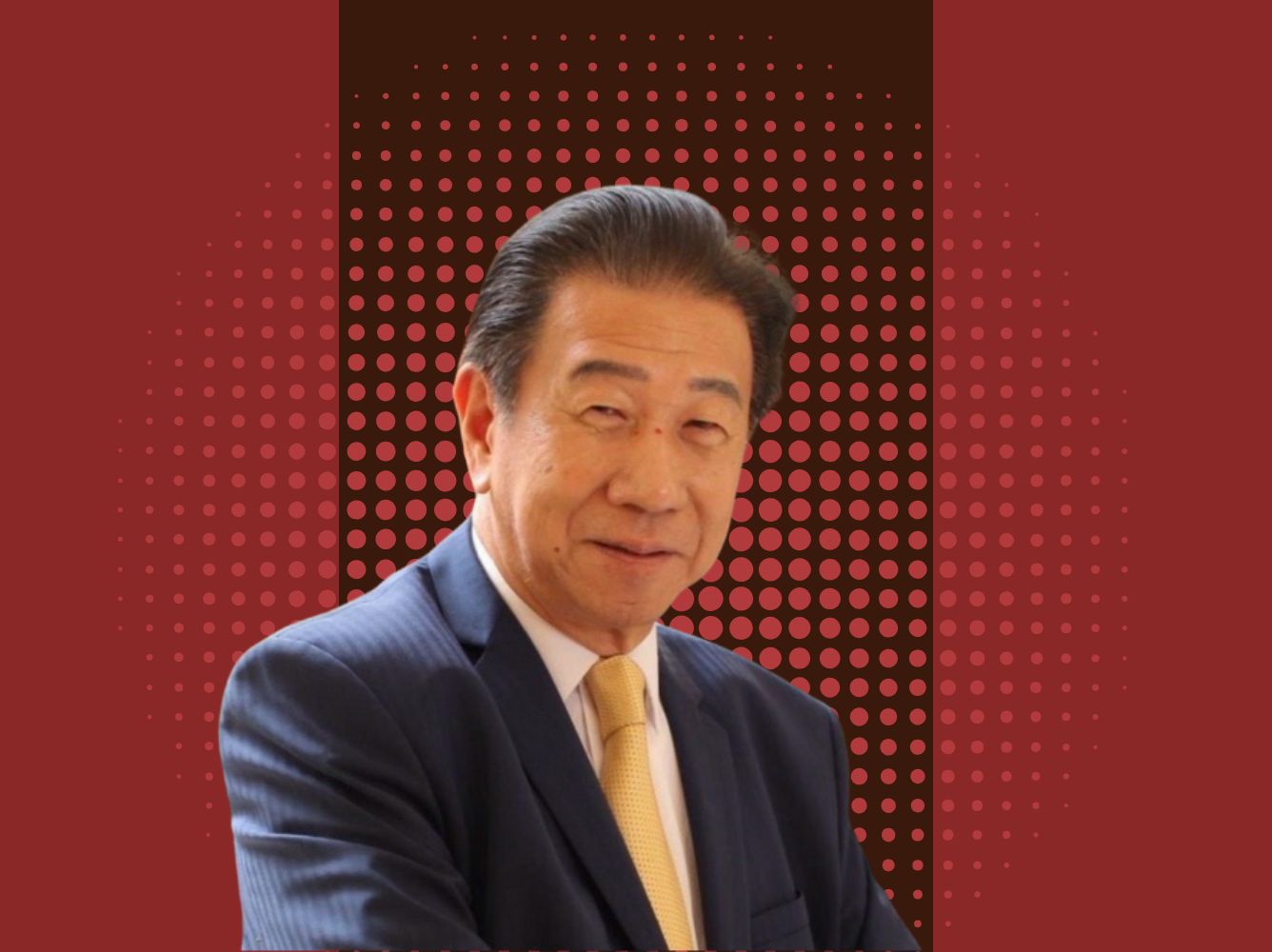
The Philippines must aim higher—much higher—if it wants growth that is truly inclusive, according to the Federation of Filipino Chinese Chambers of Commerce and Industry, Inc. (FFCCCII).
Reacting to the government’s revised economic targets for 2026 to 2028, FFCCCII president Victor Lim said the country should be targeting growth of around 8 percent, not treating the newly announced 5 to 6 percent range as an acceptable ceiling. By 2028, official targets rise only to 6 to 7 percent.
“We must categorically reject the notion that these new targets should represent the ceiling of our national ambition,” Lim said. “Eight percent growth should be viewed as the minimum viable benchmark given the country’s underlying potential.”
Lim framed the issue not just as an economic debate, but a social and moral one. Slower growth, he warned, limits the country’s ability to reduce poverty, expand opportunities, and build a genuinely inclusive economy. Without a broader and faster expansion, the promise that growth benefits everyone risks becoming rhetorical rather than real.
He also pointed to widening ambition gaps in the region. While the Philippines is recalibrating targets downward, peers such as Vietnam are pushing upward, having posted about 8 percent growth last year and now pursuing double-digit expansion.
To move onto a higher growth trajectory, FFCCCII called for a bolder reform agenda focused on execution and outcomes. Priorities include sustained investments in education and public health, a systemic anti-corruption drive, and the revival of domestic manufacturing, agriculture, infrastructure, and innovation.
The group also urged an economics-first foreign policy and a cohesive national strategy for tourism, the creative economy, and digital and green transformation—measures it said are essential to restore investor confidence and unlock long-term, inclusive growth.