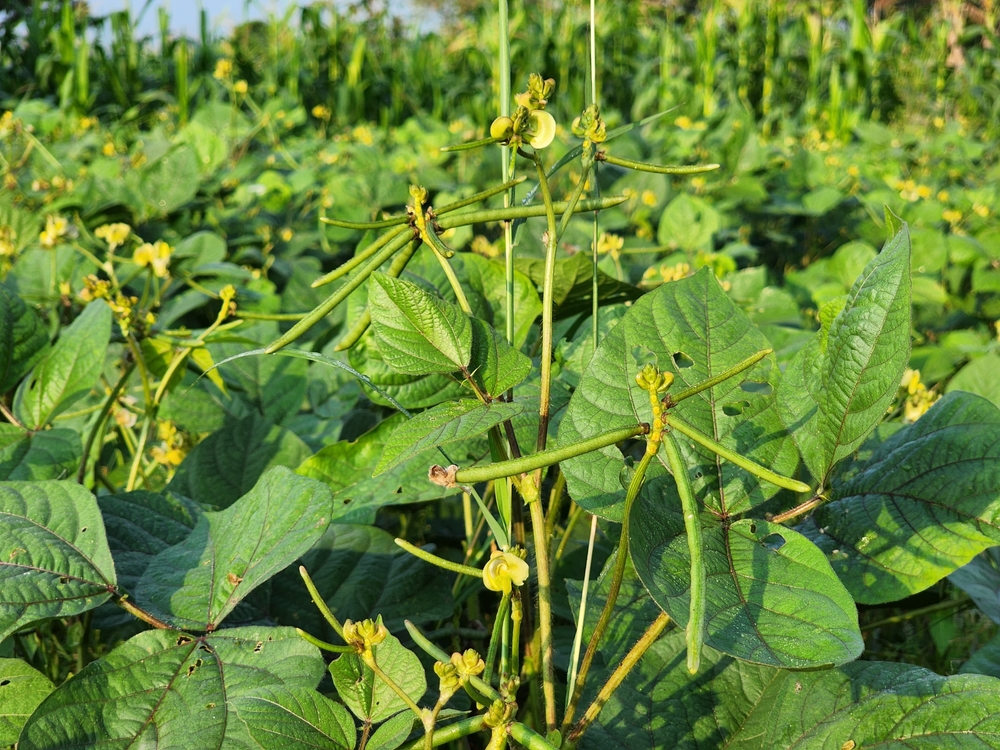
Agriculture Secretary Francisco P. Tiu Laurel Jr. has directed state-owned Food Terminal Inc. (FTI) to buy large volumes of mung beans and chili peppers directly from local farmers to stabilize prices and reduce dependence on imports.
The Department of Agriculture named munggo and sili as priority crops this year. For chili, the aim is to curb sharp price swings that hit consumers, especially during the rainy season. For mung beans, the focus is to raise local production and move toward self-sufficiency.
Tiu Laurel said the Philippines still imports large amounts of mung beans, mostly from Argentina, despite local output of about 45,000 metric tons. He said the goal is to be self-reliant by 2027.
About one-third of local mung bean production comes from Isabela, though the crop can be grown in other regions. Munggo is a staple food and a major source of plant protein.
FTI has been told to initially buy up to 80 percent of domestic mung bean output, or about 3,000 metric tons a month, to give farmers a steady buyer and protect them from price volatility.
A similar plan is being rolled out for chili peppers, whose supply often drops during the wet season due to crop damage, causing prices to spike.
The DA is also funding greenhouse facilities to protect high-value crops like chili from extreme weather and support year-round production. In addition, FTI is being encouraged to invest in processing plants to turn fresh chili into flakes or paste, allowing surplus harvests to be stored and released when supply is tight.
Tiu Laurel said the strategy supports farmers, stabilizes prices, and strengthens food security.