Phishing has overtaken calls and texts as the Philippines’ fastest-growing digital threat, with risky URLs surging through 2025 and sharpening the focus on consumer protection.
Data from the Whoscall 2025 Philippines Scam Report by Gogolook show risky URLs jumped from 13,602 in the first quarter to 49,431 by the fourth—nearly a fourfold rise in a single year.
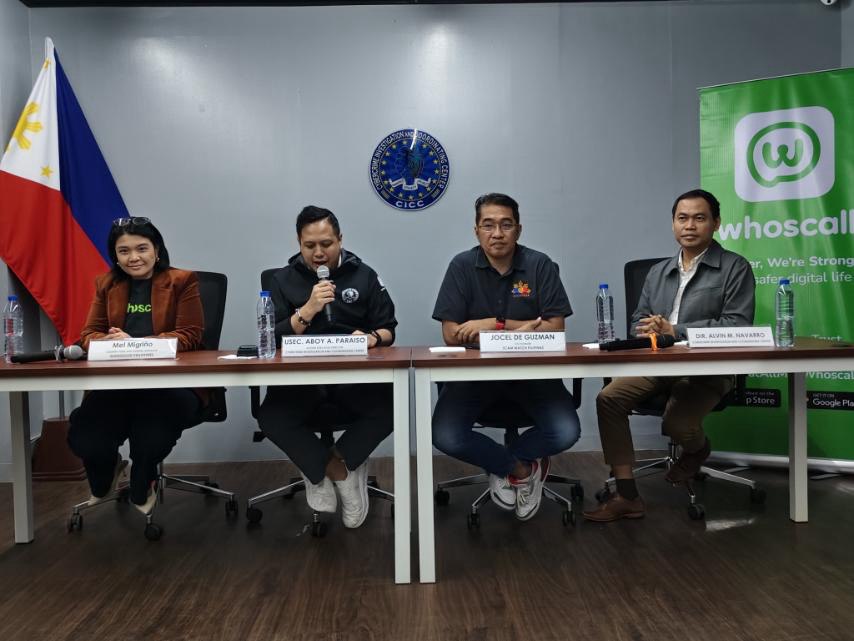
The steady quarter-on-quarter climb signals phishing is becoming the primary scam vector heading into 2026, spreading across SMS, messaging apps, email, and social platforms. Gogolook Philippines General Manager and Country Head Mel Migriño said scammers are rapidly evolving tactics.
“Scammers are shifting from calls and texts toward malicious links and fake social media sites because URLs are easier to spread, harder to verify, and far more scalable,” Migriño said.
For authorities, shared data is proving critical. Cybercrime Investigation and Coordinating Center Executive Director Renato “Aboy” Paraiso said responsibly pooled scam reports enable faster pattern detection and response. He thanked Gogolook and Scam Watch Pilipinas for translating public reports into actionable intelligence and stronger partnerships.
While traditional scam channels show mixed results—scam calls fell 21.84% year-on-year in some segments and SMS volumes declined in parts of 2025 due to improved filtering—the spike in link-based attacks is unmistakable, underscoring rising sophistication.
Migriño stressed the need for cross-sector action, combining technology, government coordination, and consumer education. She urged users to pause before clicking, check URLs, and use screening tools such as the Whoscall app.
The business impact is mounting. Banks, e-wallets, e-commerce firms, and brands face financial and reputational risk when spoofed links succeed. Community platform Scam Vault PH has logged hundreds of reports, increasingly tied to malicious URLs.
“Phishing is now the frontline,” Migriño said.