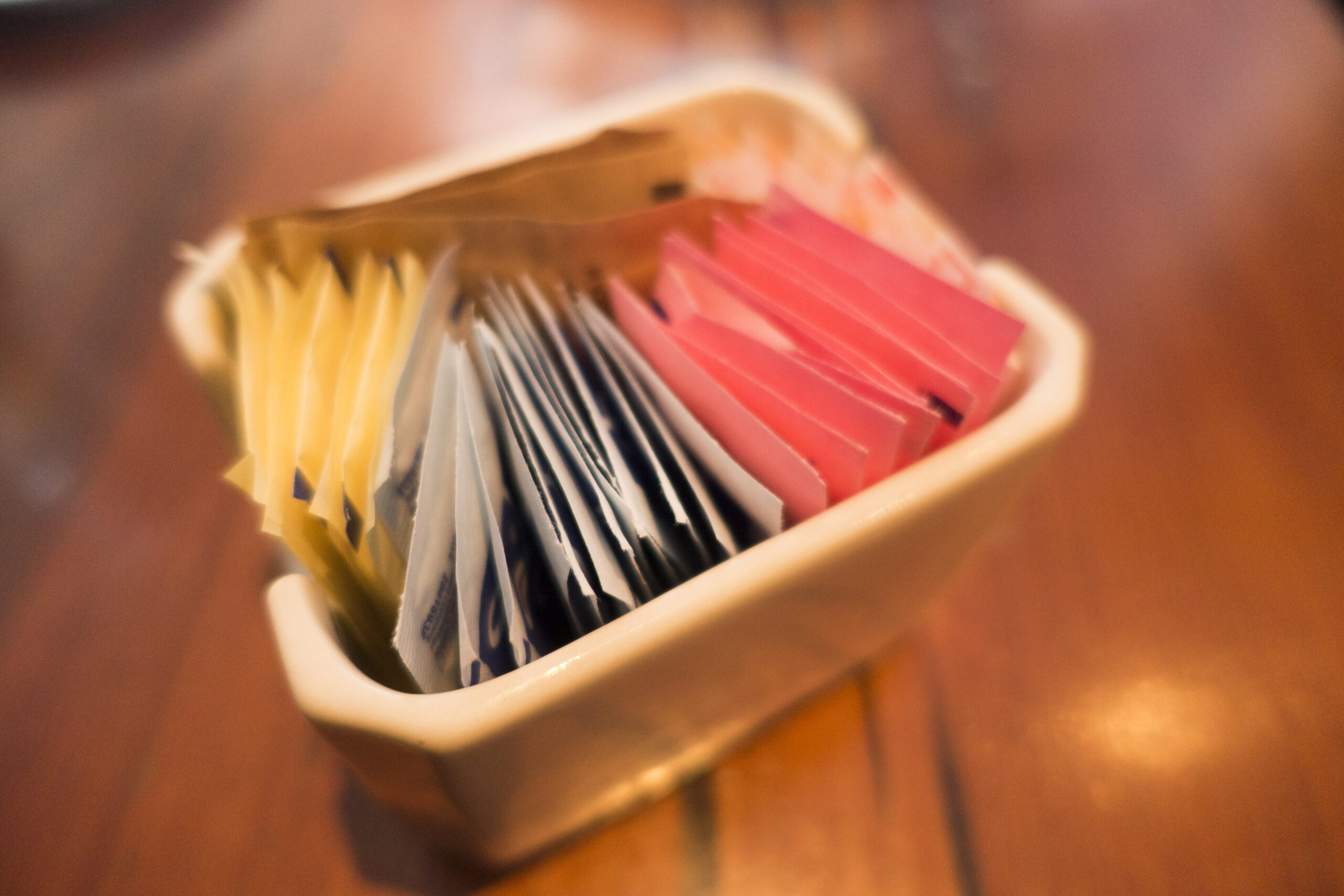
The country’s sugar industry has submitted a unified manifesto to the Department of Agriculture (DA) and the Sugar Regulatory Administration (SRA), calling for tighter regulation of artificial sweeteners and other sugar substitutes. Industry groups say the rapid growth of these products is cutting into demand for locally produced cane sugar.
The manifesto was signed by major sugar federations across Luzon, Visayas, and Mindanao, along with sugar millers, refiners, and allied groups. The DA described it as a rare show of unity in an industry that usually has differing interests.
Agriculture Secretary Francisco Tiu Laurel Jr. said the government will study the proposal, noting that artificial sweeteners are an “external force” affecting domestic sugar demand. The issue first drew attention in 2024, when the DA and SRA flagged the rising imports of sugar substitutes as a threat to the local sugar market. Since then, the government has stepped up monitoring of imports and data collection on their market impact.
SRA Administrator Pablo Luis Azcona said the industry’s unified position strengthens the call for action. He noted that the issue has also been raised with local governments, including Negros Occidental, one of the country’s top sugar-producing provinces.
Officials estimate that imports of artificial sweeteners and other substitutes have surged to levels equivalent to more than 500,000 metric tons of raw sugar. This increase, they warned, is weakening demand for local sugar and contributing to softer prices.
Policy options being considered include stricter controls on the importation and use of artificial sweeteners, especially high-intensity chemical sweeteners that can be hundreds of times sweeter than sugar. The DA has also raised the possibility of asking the Department of Health to review potential health impacts, citing global guidance that questions the long-term benefits of non-sugar sweeteners.
The manifesto puts pressure on the government to balance consumer preferences, food industry needs, and the long-term sustainability of the domestic sugar sector, placing sugar substitutes higher on the agricultural policy agenda.
As of early February, retail sugar prices in Metro Manila remained stable, while millsite prices showed a slight week-on-week decline, reflecting the ongoing pressure on the local sugar market.