The Department of Agriculture (DA) is stepping up efforts to boost exports of other high-value food crops by replicating the strategies that helped revive the country’s banana industry, which posted strong export growth last year.
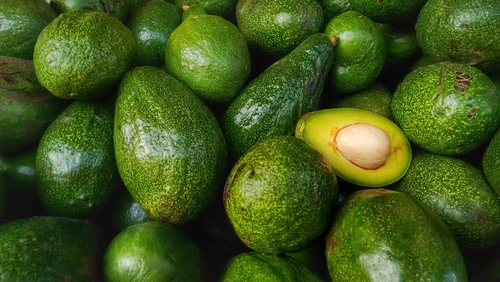
Following the export success of bananas and mangoes, the DA has identified 10 additional crops for focused promotion: asparagus, avocado, cacao, calamansi, coffee, dragon fruit, durian, okra, pomelo and rambutan. These crops are seen as having strong demand in overseas markets and higher income potential for farmers.
Fruits and fruit peels are already the country’s second-largest agricultural exports by value. In November alone, shipments rose 33 percent year-on-year to US$244.4 million, highlighting their growing economic and commercial importance.
The DA said it plans to apply the same approach used in bananas—such as targeted investments, farm inputs, and disease management—to improve production and export readiness of these other crops.
A recent market review by the United Nations’ Food and Agriculture Organization (FAO) showed how effective this strategy has been for bananas. The Philippines is expected to become the world’s second-largest banana exporter in 2025, with projected shipments of 2.93 million metric tons, or about 14 percent of global banana exports. This would mark a sharp rebound from weather- and disease-related setbacks in recent years.
For 2024, the country ranked third globally, exporting 2.33 million metric tons of bananas. If the 2025 projection is reached, production would jump by nearly 26 percent.
Agriculture Secretary Francisco Tiu Laurel Jr. said the banana turnaround shows that “when interventions are done right, we can reverse the trend,” calling it a vote of confidence in the government’s agricultural strategy and a launchpad for broader export expansion.
FAO and industry sources cited increased investments in banana farms, particularly in Cagayan Valley, supported by DA programs that provided organic fertilizer, planting materials and biological controls. Processed products from the local saba or Cardaba banana—such as banana chips, steamed saba and banana catsup—have also helped drive exports.
These efforts are part of the DA’s 2025 High Value Crops Development Program, which focuses on improving productivity, soil health and resilience against diseases like Fusarium wilt, a major threat to banana farms.
The DA said the banana recovery reflects a wider shift toward value-driven, export-ready agriculture. By extending this model to other high-value crops, the agency aims to diversify farm exports, raise farmer incomes, and strengthen the Philippines’ position in global agricultural trade.