Meat importers say foreign exchange losses and ongoing port congestion are major challenges this year, prompting calls for government action to prevent supply disruptions and price pressures.
Jess Cham, president emeritus of the Meat Importers and Traders Association (MITA), said the weaker exchange rate has raised import costs, while congestion at ports has delayed shipments and increased expenses. Importers are absorbing these added costs instead of passing them on to consumers, he said.
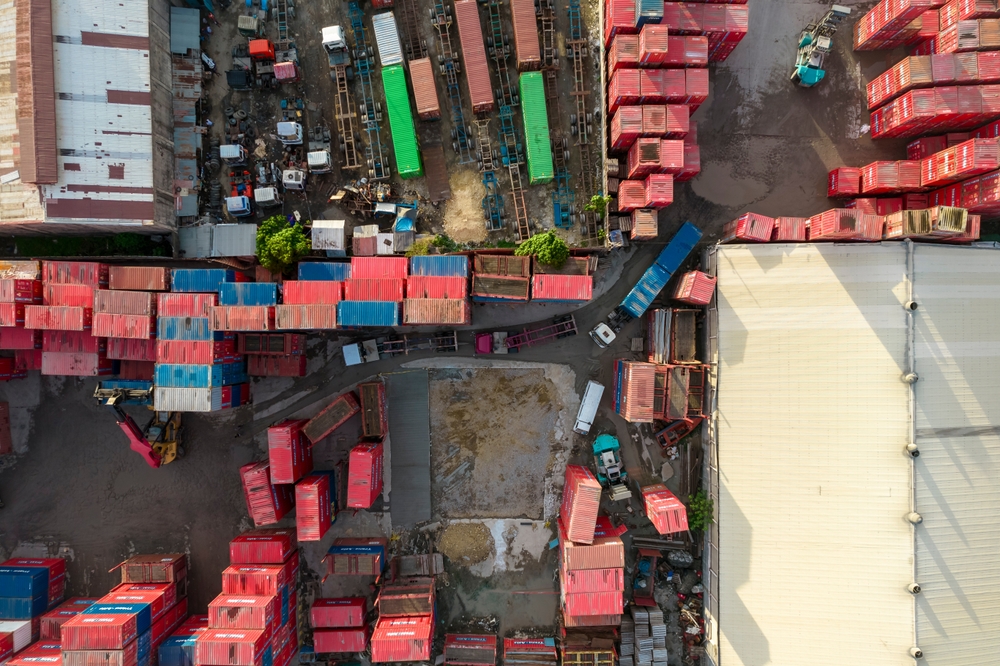
Port congestion has also slowed logistics, with trucks unable to unload empty containers and pick up new cargo. As a result, importers are delaying new orders while waiting for earlier shipments to clear. Cham said this could lead to lower purchases of imported meat in the first quarter, although delayed containers are still arriving.
The concerns come despite strong import volumes last year. Data from the Bureau of Animal Industry (BAI) show total meat imports rose 13.4 percent in 2025 to 1.64 billion kilograms, up from 1.45 billion kilograms in 2024. October recorded the highest monthly volume at 166.7 million kilograms.
Brazil remained the country’s top meat supplier, accounting for 41.3 percent of total imports. Pork made up the largest share of meat imports at 51.8 percent, with volumes rising 16.1 percent year-on-year.
Industry players warn that if forex pressures and port congestion persist, they could affect import decisions in the coming months, with possible implications for meat supply and consumption.