Artificial intelligence and cloud technology will play a bigger role than ever at the Olympic and Paralympic Winter Games Milano Cortina 2026, as Alibaba Cloud partners again with the International Olympic Committee (IOC) and Olympic Broadcasting Services (OBS).
Building on earlier Games in Tokyo, Beijing and Paris, the collaboration marks another step in the Olympics’ shift to cloud-based, AI-powered broadcasting. The aim is simple: give fans better viewing experiences, help broadcasters work faster and more efficiently, and preserve Olympic moments at a global scale.
One of the most visible changes for viewers will be upgraded instant replays. Alibaba Cloud’s new real-time 360-degree replay system uses AI to separate athletes from complex backgrounds like snow and ice. This allows three-dimensional replays of key moments to be created in just 15 to 20 seconds, fast enough for live TV.

The system will be used across 17 winter sports, including ice hockey, figure skating and ski jumping. New features allow multiple phases of an athlete’s movement to be shown in a single image, helping audiences better understand technique and performance.
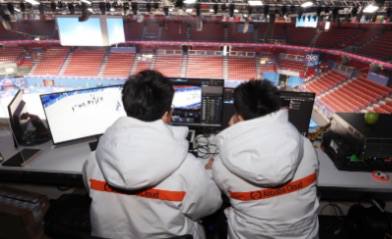
Behind the scenes, OBS is developing an Automatic Media Description system powered by Alibaba’s large language model, Qwen. The system automatically identifies athletes, highlights key moments and tags video clips within seconds.
Broadcasters can then search using plain language, such as “figure skating gold medal performance,” and retrieve the right footage almost instantly. This reduces manual work and helps teams create and share stories more quickly across platforms.
Cloud-based broadcasting will be the standard at Milano Cortina 2026. The OBS Live Cloud platform will support 39 broadcasters, delivering hundreds of live video and audio feeds, including ultra-high-definition streams.
By replacing satellite links with cloud delivery, broadcasters can cut costs, reduce setup time and gain more flexibility. For the first time, smaller broadcasters will also be able to stream high-definition live coverage through the Olympic Video Player using Alibaba Cloud infrastructure, without heavy upfront investment.
The Games will generate the largest volume of ready-to-use digital content in Olympic history. More than 5,000 short videos, including highlights and behind-the-scenes moments, will be distributed through a cloud-based platform that allows teams worldwide to find, edit and publish content quickly.
Milano Cortina 2026 will also mark the first use of large language model technology at the Olympics. AI-powered “Olympic Assistants,” built on Alibaba’s Qwen models, will support both fans and Olympic organisations.
Fans visiting olympics.com will be able to access multilingual, chat-based support with real-time event information. Similar technology will power personalised AI audio guides at the Olympic Museum in Lausanne. Internally, National Olympic Committees will use an AI assistant to search documents and policies using natural language, with built-in translation.
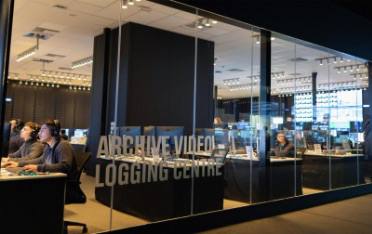
Alibaba Cloud is also expanding its Sports AI media archive, which manages more than eight petabytes of historical Olympic content. AI automatically tags and categorises footage, making decades of video searchable through simple spoken or written queries. Previously unused content can now be rediscovered and reused as part of a living digital archive.
IOC and OBS leaders say Milano Cortina 2026 represents a major milestone in using AI not just for efficiency, but to transform how the Olympics are experienced and remembered.
Since becoming a Worldwide Olympic Partner in 2017, Alibaba Cloud has become a core technology provider for the Games—helping embed cloud computing and AI at the heart of the world’s largest sporting event.