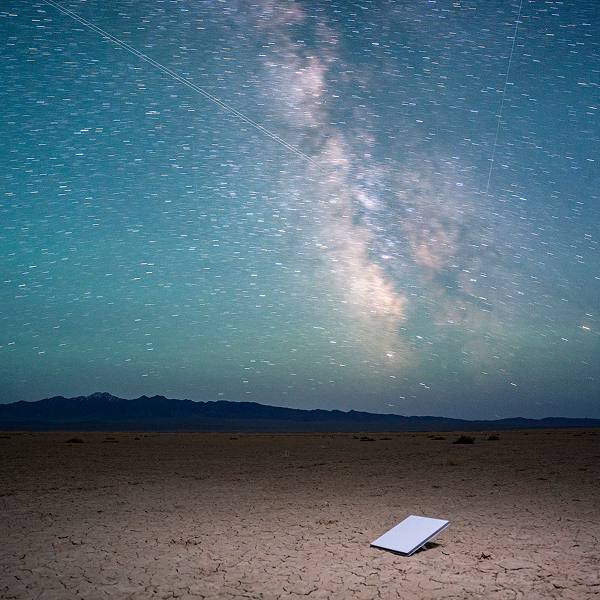
For a country where typhoons feel like subscription services and earthquakes show up uninvited, connectivity is not a luxury. It is survival. This year, help is not coming by truck or chopper. It is coming straight from the sky.
Globe Telecom and Starlink have started testing a Direct-to-Cell satellite service designed to keep mobile networks alive when the ground infrastructure gives up. The focus of the pre-rollout testing are islands, mountains, and disaster zones where signal bars usually vanish first—and return last.
The Department of Information and Communications Technology (DICT) has welcomed the service as a Southeast Asian first. Ordinary long-term evolution (LTE) mobile phones will now access voice, data, video, and messaging directly from space. No new devices, no clunky satellite phones, no complicated setup. If your phone works on a normal day, it should work on a very bad one.
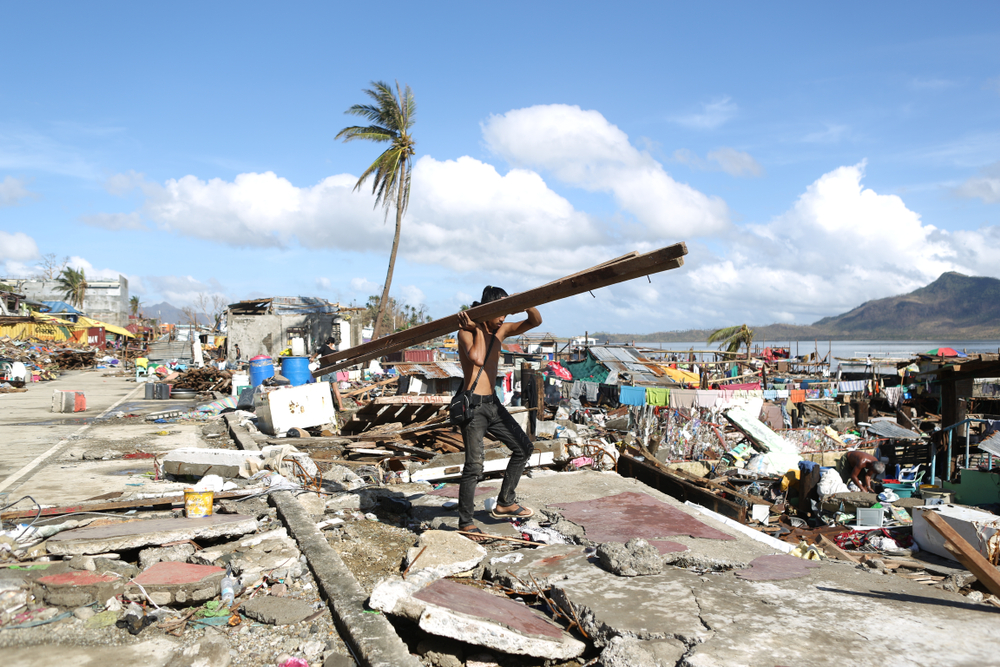
This matters because disasters in the Philippines do not wait politely for repairs. Typhoons flatten cell sites. Earthquakes snap fiber lines. Volcanic eruptions and tsunamis isolate entire communities in minutes. In those moments, silence can be as dangerous as the storm itself.
DICT’s message, posted in its social media pages, is simple: No Filipino should be left offline—even during disasters.
And for the World Bank, that promise carries serious weight. It had estimated disasters cost the Philippines an estimated USD3.9 billion a year in wellbeing losses, far more than the USD1.4 billion in direct asset damage. Lost income, disrupted schooling, delayed healthcare, and broken supply chains quietly pile up long after gale-force winds die down and floodwaters recede.
Connectivity cannot stop disasters—but it can dramatically shorten their aftershocks.
Starlink’s low-Earth orbit satellite network, now numbering over 650 satellites, effectively turns each satellite into a “cell tower in space.” Using phased-array antennas and laser-linked systems, it integrates seamlessly with existing mobile networks.
Build a tower? No need. Lay fiber? Forget it. If the ground fails, the sky takes over.
The implications go beyond convenience. Remote islands no longer need costly infrastructure that storms will destroy. Mountain communities get coverage without engineering miracles. Disaster-prone areas gain built-in redundancy. First responders can coordinate faster, affected communities can send urgent messages, and relief operations gain visibility instead of guessing. Hours saved in coordination can mean lives saved.
For Globe, the business logic is crystal. Extending coverage without laying cables or erecting towers rewrites the cost curve—and secures customer loyalty. When networks usually go dark, being the one that stays on is not just service. It is brand cement.
This is not science fiction. Testing is already underway. The Philippines is positioning itself not just as a consumer of new connectivity, but as a proving ground.
For a nation battered by extreme weather, fragmented geography, and infrastructure challenges, the payoff is immediate and game-changing.
In calm times, Direct-to-Cell technology means better business, education, and digital inclusion. In disaster times, it means something more basic. A message gets through. A call connects. Help arrives sooner.
For disaster-prone Philippines, that is not just innovation. It is insurance. And this year, it happens to be orbiting overhead.