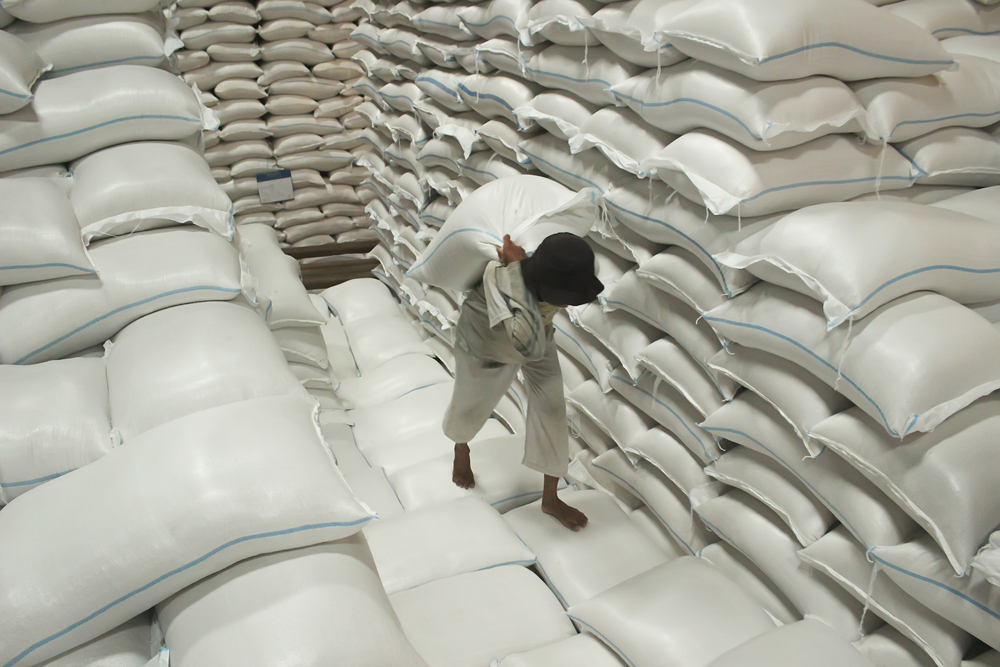
The Department of Agriculture (DA) has created a technical working group (TWG) to manage rice imports using data, with the goal of keeping prices stable, ensuring enough supply, and protecting local farmers.
The TWG will study real-time data on rice stocks, regional shortages, and buffer levels to decide how much rice to import, when to bring it in, and where it should go. This is meant to prevent sudden price spikes for consumers while avoiding import surges that could hurt local harvests.
Instead of one-off or ad hoc import approvals, the group will push for a more structured, license-based system. Import access will be tied to performance and compliance, including accurate reporting of rice stocks by traders and warehouses. Those who fail to submit data risk losing the right to import.
For farmers, the DA said the new system aims to align import timing with actual market needs, so imports do not flood the market during peak harvests. This is also intended to curb speculation that drives down farm-gate prices.
For consumers, the DA said the payoff will be a more reliable rice supply and fewer sudden price increases caused by uncertainty or shortages.
Overall, the DA said the TWG is meant to shift rice policy away from crisis-driven decisions and toward a predictable, transparent system where imports are used carefully to support both price stability and domestic rice production.