
The Bases Conversion and Development Authority (BCDA) is accelerating plans to modernize both the seaport and airport at Poro Point, pursuing separate public-private partnership (PPP) tracks to unlock the former US military facility’s potential as Northern Luzon’s next logistics and tourism gateway.
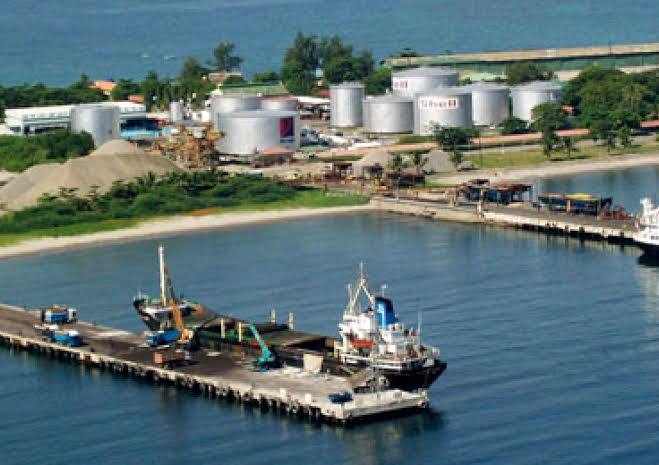
BCDA president and chief executive officer Joshua Bingcang said feasibility work is advancing on both fronts. A damage assessment for the seaport is underway through the PPP Center, while international firms have been shortlisted to craft a comprehensive master plan.
“Apart from the seaport damage assessment under the PPP Center feasibility study, we have already shortlisted top-notch international companies to do the master plan for the Poro Point seaport,” Bingcang said. “But not just that — the airport also needs to be modernized.”
The agency decided against bundling the two assets under a single concession after market soundings revealed distinct investor appetites. Port operators and aviation players, Bingcang noted, have different risk-return expectations and operational expertise.
“We have several interests based on the market sounding, especially from port operators,” he said. “Separate ‘yung dalawa, and BCDA is funding both programs.”
While the seaport will follow a conventional PPP route, the airport is being fast-tracked under a design-and-build scheme to meet an aggressive timetable. Currently operating mainly as a chartered aviation school, the facility is being positioned for commercial service by 2027 or 2028.
BCDA has earmarked P250 million for a new passenger terminal roughly twice the size of the existing structure, with construction targeted to begin this year. Another P50 million will go to ancillary upgrades, building on earlier improvements to the control tower.
Runway capability has already been cleared with the Civil Aviation Authority of the Philippines, allowing the airport to accommodate narrow-body aircraft such as the Airbus A320. That clearance opens the door to potential services by carriers like Cebu Pacific and Philippine Airlines.
Bingcang expressed confidence that commercial operations could begin by the fourth quarter of 2027, positioning Poro Point as a practical alternative to Loakan Airport in Baguio, where persistent visibility issues constrain operations.
To address demand risks, BCDA plans to bundle Poro Point’s offerings with Clark’s tourism ecosystem. “Clark is landlocked, walang dagat,” Bingcang said. Linking Clark’s visitor base to Poro Point’s beaches and leisure estates could create a complementary northbound circuit rather than a standalone market bet.
With seaport and airport upgrades moving in parallel, BCDA is betting that synchronized transport investments—not isolated projects—will finally anchor Poro Point’s long-envisioned role as a true gateway to Northern Luzon.