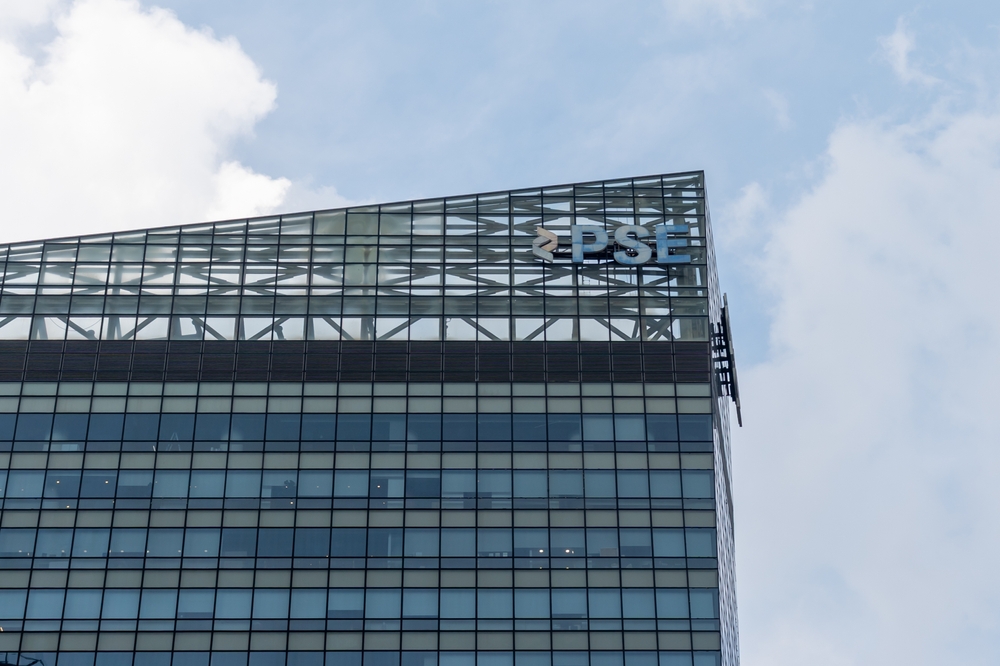
The Philippine Stock Exchange index (PSEi) slid 1.3 percent to 6,384.58, extending profit-taking for a second session after touching seven- to nine-month highs. Even so, the benchmark remains comfortably above the 6,000 mark, keeping the broader uptrend intact and suggesting the pullback is more consolidation than reversal.
Michael L. Ricafort, chief economist at Rizal Commercial Banking Corporation, described the dip as “a healthy correction” ahead of the Lunar New Year. He said prospects of a rate cut by the Bangko Sentral ng Pilipinas (BSP), alongside easing US inflation, could lend support to sentiment in the near term. The retreat, in this view, reflects tactical repositioning rather than a shift in fundamentals.
Brokerage 2TradeAsia likewise noted that investors locked in gains following the PSEi’s midweek rally, with the index down 0.1 percent week-on-week ahead of the BSP’s policy meeting later this week. It said the market has entered “profit-taking mode” as global policy signals diverge, keeping conviction light and turnover selective.
Trades are expected to remain “catalyst-driven,” with the firm urging “disciplined positioning over aggressive index exposure” until clearer signals emerge from the central bank and the coming earnings season.
In currency markets, the peso strengthened for a third consecutive session to PHO58.02 per US dollar—its best finish in more than four months—buoyed by improved foreign investment data and a softer US dollar.
Ricafort attributed the rally to “renewed investor confidence, easing US inflation, and expectations of Fed rate cuts later in 2026.”
With gross international reserves steady and inflows holding firm, the peso’s resilience underscores how rate-cut expectations—both local and global—are increasingly shaping asset prices across Philippine markets.