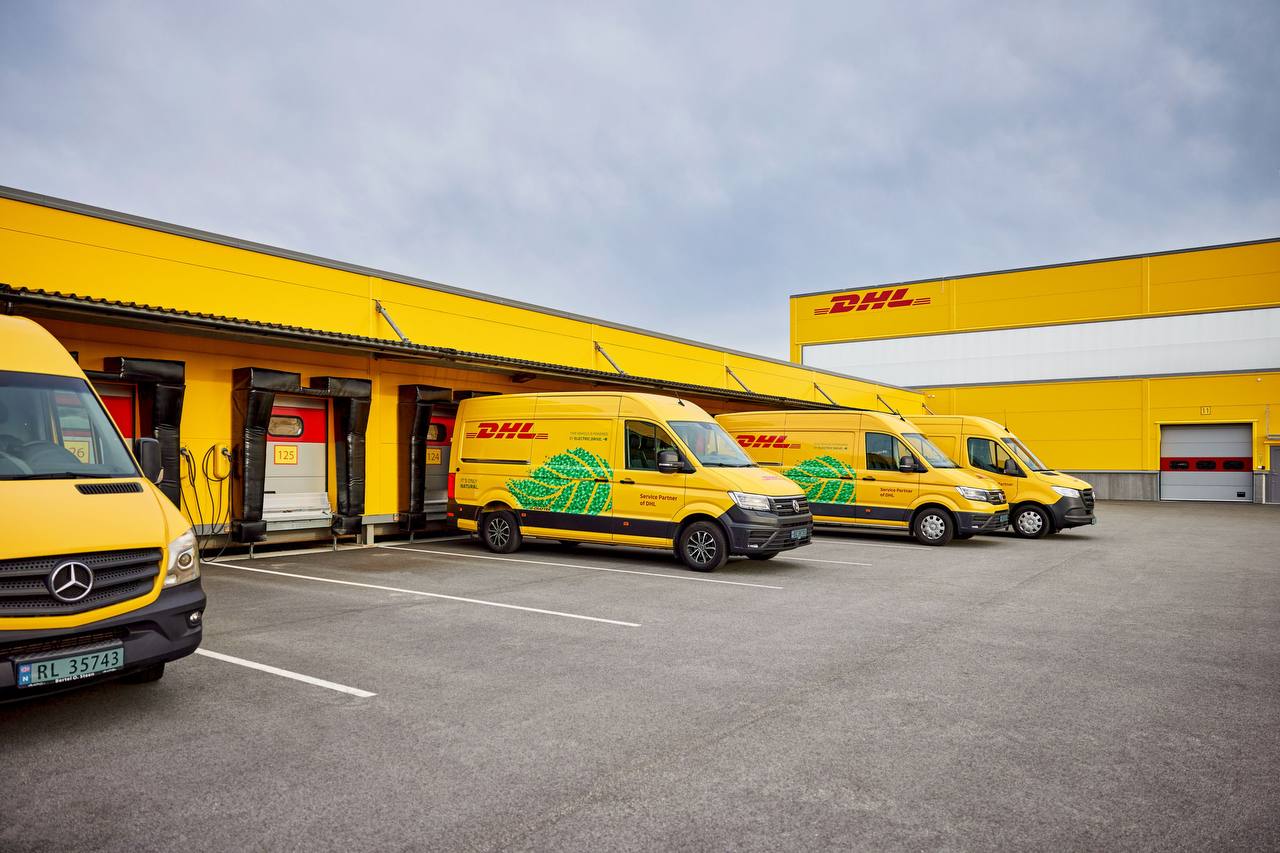
DHL Express Philippines is ramping up its shift to electric mobility, deploying eight additional electric vehicles (EVs) under its fleet electrification program, with two more units slated for rollout in the first quarter.
The expansion pushes electric vehicles to 41 percent of the company’s total delivery fleet in the country, marking a significant milestone in its low-emission last-mile operations.
DHL Express Philippines said the move “forms part of our annual fleet electrification program, supporting the reduction of greenhouse gas emissions from last-mile delivery operations while maintaining reliable and efficient service.”
The newly deployed EVs are operating across high-density commercial and residential hubs in Pasig, Makati, Bonifacio Global City, Muntinlupa, Manila, Pasay, Parañaque, and Cebu—areas where frequent stops and heavy traffic make electric delivery vehicles particularly efficient.
The initiative aligns with parent firm DHL Group’s ambition to achieve net-zero greenhouse gas emissions by 2050, reinforcing sustainability as a central pillar of its global operations.
Built for urban logistics, each EV offers 5.1 cubic meters of cargo capacity and runs on a 307.2-volt lithium iron phosphate battery. Units can be fully charged in approximately five hours using DC fast charging, allowing for seamless integration into daily delivery cycles.
The vehicles are equipped with telematics systems that provide real-time data on battery health, energy consumption, driving behavior, and route efficiency. The technology supports optimized route planning and proactive maintenance, helping ensure operational reliability while lowering emissions.
With EVs now accounting for nearly half its domestic fleet, DHL Express Philippines is positioning electric mobility not as a pilot initiative, but as a core component of its long-term logistics strategy.