In cancer care, minutes matter almost as much as medicine. Across the Philippines, a new generation of treatments is proving that better outcomes are not only about adding years to life, but also life to those years.
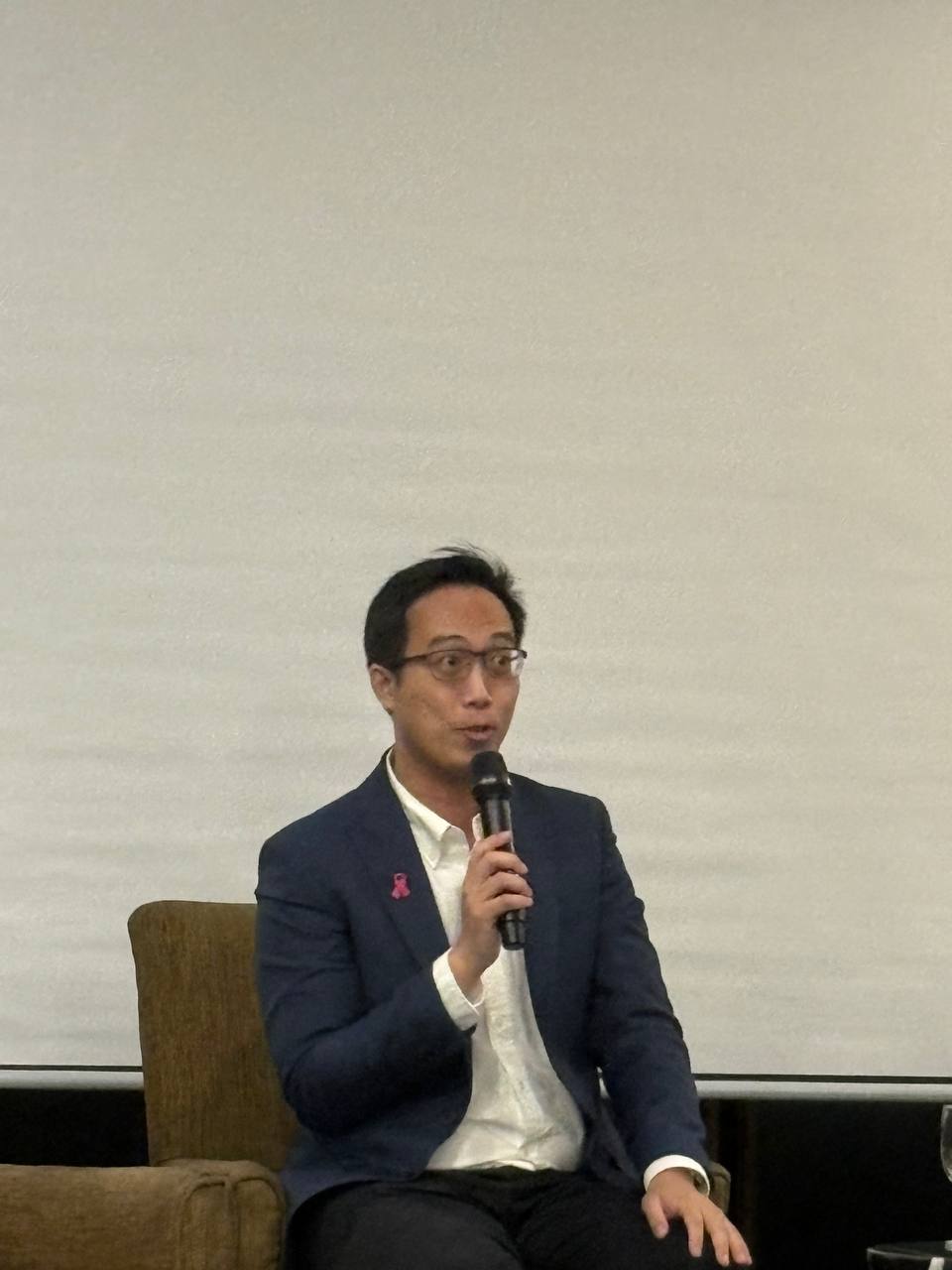
Dr. Frederick Ting of the Philippine Society of Oncologists said innovation today is less about bigger drugs and more about better delivery.
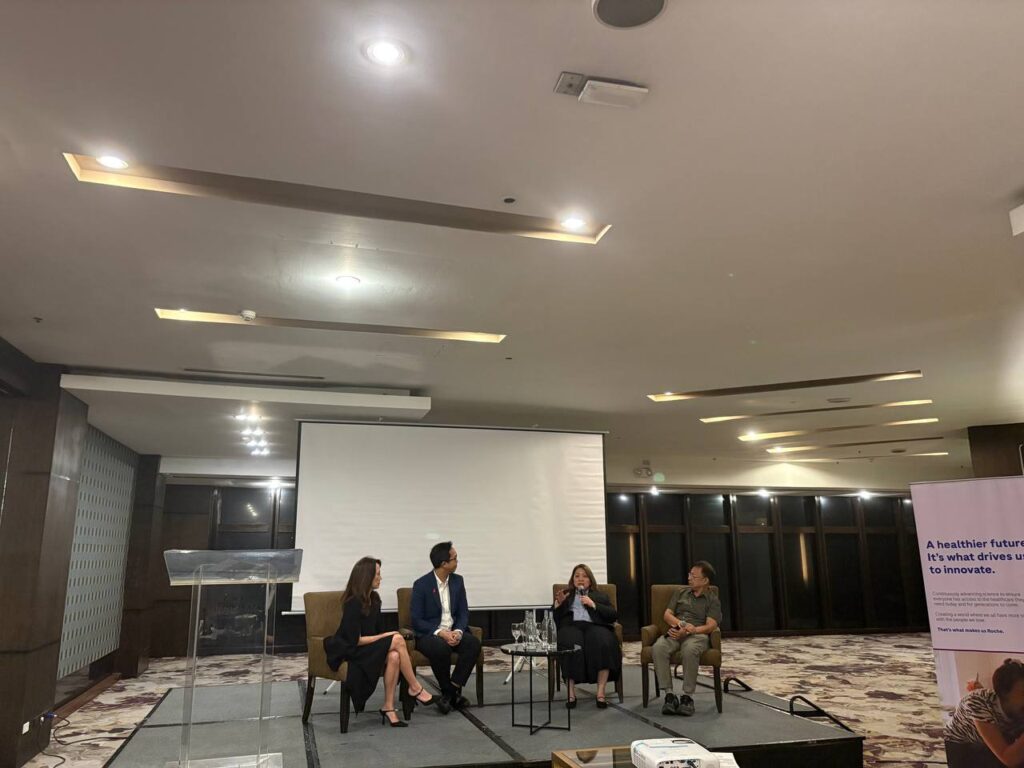
Speaking at a forum in Pasig City on Wednesday, February 18, Ting noted that many advanced cancer medicines were traditionally given intravenously, a process that can take hours and tie up both patients and hospital resources.
Public cancer centers often operate at full tilt. A limited number of chemotherapy chairs must serve dozens daily. When a treatment can be delivered in 45 minutes instead of several hours through newer subcutaneous formulations, that reclaimed time becomes powerful.
Clinical trials show these quicker options can match the efficacy and side effect profiles of their intravenous counterparts.
Shorter treatment times help ease bottlenecks, avoiding the need for hospitals constructing new wings. It means seeing more patients safely in a single day for doctors and nurses while patients get home sooner, return to work faster, and spend less on transport. It can mean making it to a child’s school program or simply having dinner at the family table.
While biologics and immunotherapies remain costly due to years of research and low clinical trial success rates, Ting urges decision makers to look beyond upfront price tags. Cancer treatment, he argues, should be seen as an investment in people’s ability to live and contribute fully.
Efficiency may sound clinical, even cold. In reality, it can be deeply humane. When care respects a patient’s time as much as their diagnosis, healing begins long before the last dose.