Production of pork, chicken and eggs strengthened in the fourth quarter of 2025, boosting supplies of affordable protein and helping temper food inflation as households continued to navigate elevated prices.
Data from the Philippine Statistics Authority showed hog output rose 1.6 percent year on year to 454,984 metric tons in liveweight terms. Chicken production surged 9.4 percent to 613,556 metric tons, while egg output grew 8.9 percent to 225,731 metric tons.
Swine inventory edged up 0.5 percent to 8.79 million heads. Smallholder piggeries lifted output 13 percent to 6.88 million heads, offsetting a 26 percent decline in commercial operations to about 1.8 million heads amid reports of renewed African Swine Fever cases. Average farmgate prices for hogs increased 2.2 percent to P182.83 per kilo.
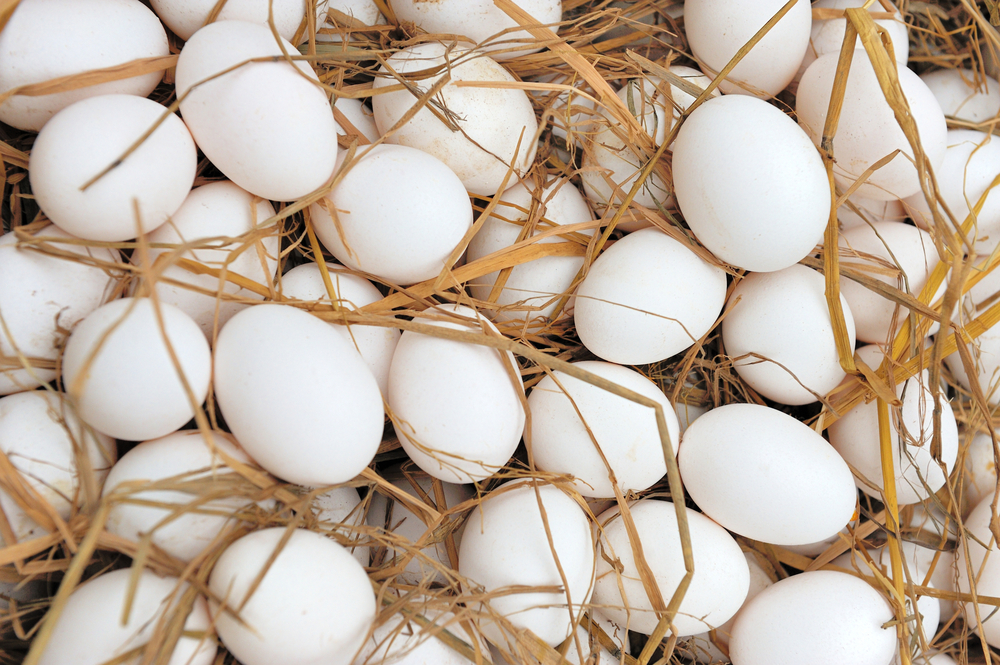
Poultry posted broader gains. Total chicken inventory expanded 5.2 percent to 217.2 million birds, roughly 70 percent raised for meat. Improved supply pulled the average farmgate price down 10 percent to P124.50 per kilo. Layer chicken numbers rose 7.3 percent to 78.2 million, pushing egg prices 7.6 percent lower to an average P6.97 apiece.
Together, pork, chicken and eggs account for about 90 percent of livestock production value, giving their performance significant weight in the consumer price basket. Livestock, including cattle, goats and dairy, makes up roughly 18 percent of total farm output.
CALABARZON remained the industry’s powerhouse, leading in hogs, poultry and eggs. The region, comprising Cavite, Laguna, Batangas, Rizal and Quezon, benefits from its proximity to Metro Manila, allowing faster deliveries and lower transport costs to the country’s largest consumer market. Its output helps anchor supply and stabilize retail prices in the capital.
The broad based rise in protein production signals improving supply fundamentals. For inflation managers, steadier flows of meat and eggs offer a practical buffer against food price spikes and a more reliable protein pipeline for Filipino families.