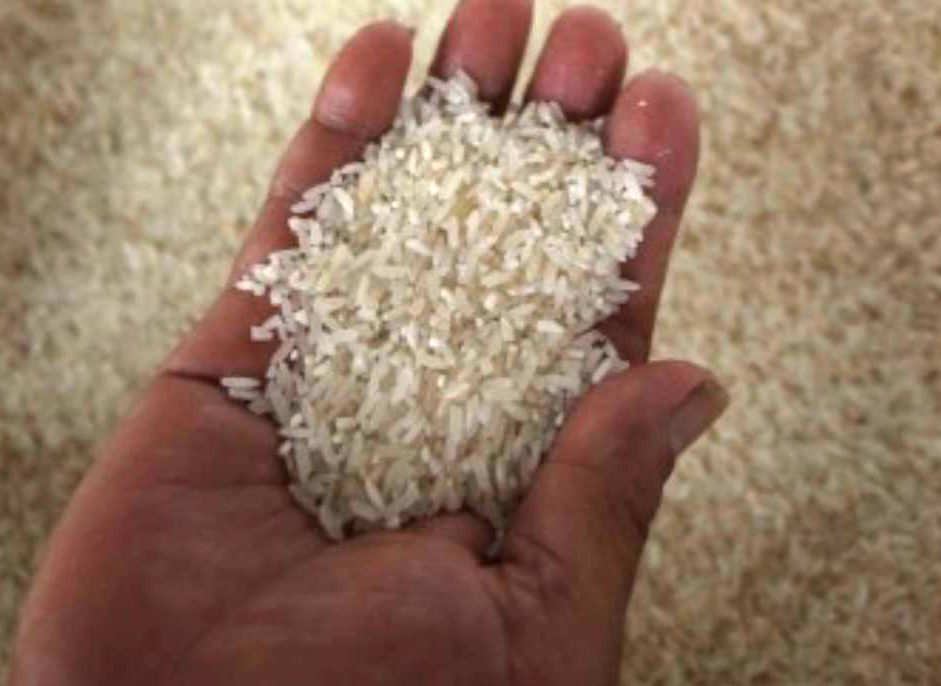
The Department of Agriculture (DA) reported that the National Food Authority (NFA) successfully auctioned off nearly 90 percent of its aging rice stocks, raising P936.5 million—above its P912.4 million target.
Agriculture Secretary Francisco Tiu Laurel Jr. said the strong auction turnout not only generated higher revenues but also cleared warehouse space, allowing the NFA to buy more palay from local farmers at fair prices ahead of the peak dry harvest season in April and May.
NFA administrator Larry Lacson said a total of 32.5 million kilograms of rice were sold at an average price of P28 per kilo—well above the agency’s floor prices of P22.52 to P25.16 per kilo depending on stock age. The rice auctioned had been stored for three to 18 months and is classified as “aging” three months after milling.
Out of 83 lots offered, 57 lots—or 88 percent of the total volume—were successfully tendered. The NFA is still validating bid documents before finalizing contracts.
The auction is expected to strengthen the government’s rice market intervention strategy. By freeing up warehouse space, the NFA can purchase more palay from farmers at a minimum of P17 per kilo for wet palay and P21 per kilo for dry palay, helping stabilize farmgate prices during harvest.
At the same time, the added liquidity and storage capacity will support buffer stock management, ensuring steady rice supply and helping prevent price spikes.
In a related move, the DA expanded its P20-per-kilo rice program at the barangay level in Davao City, part of a broader rollout aimed at making affordable rice accessible to vulnerable groups such as senior citizens, persons with disabilities, and low-income earners.
The program offers rice at P20 per kilo—significantly lower than prevailing market prices in Metro Manila, where regular milled rice ranges above P41 per kilo and well-milled rice sells for around P46 to P47 per kilo.
The DA said the program now operates in hundreds of sites nationwide and has already served millions of households. Officials described the approach as a balanced policy that supports farmers through palay procurement while providing consumers access to cheaper rice.