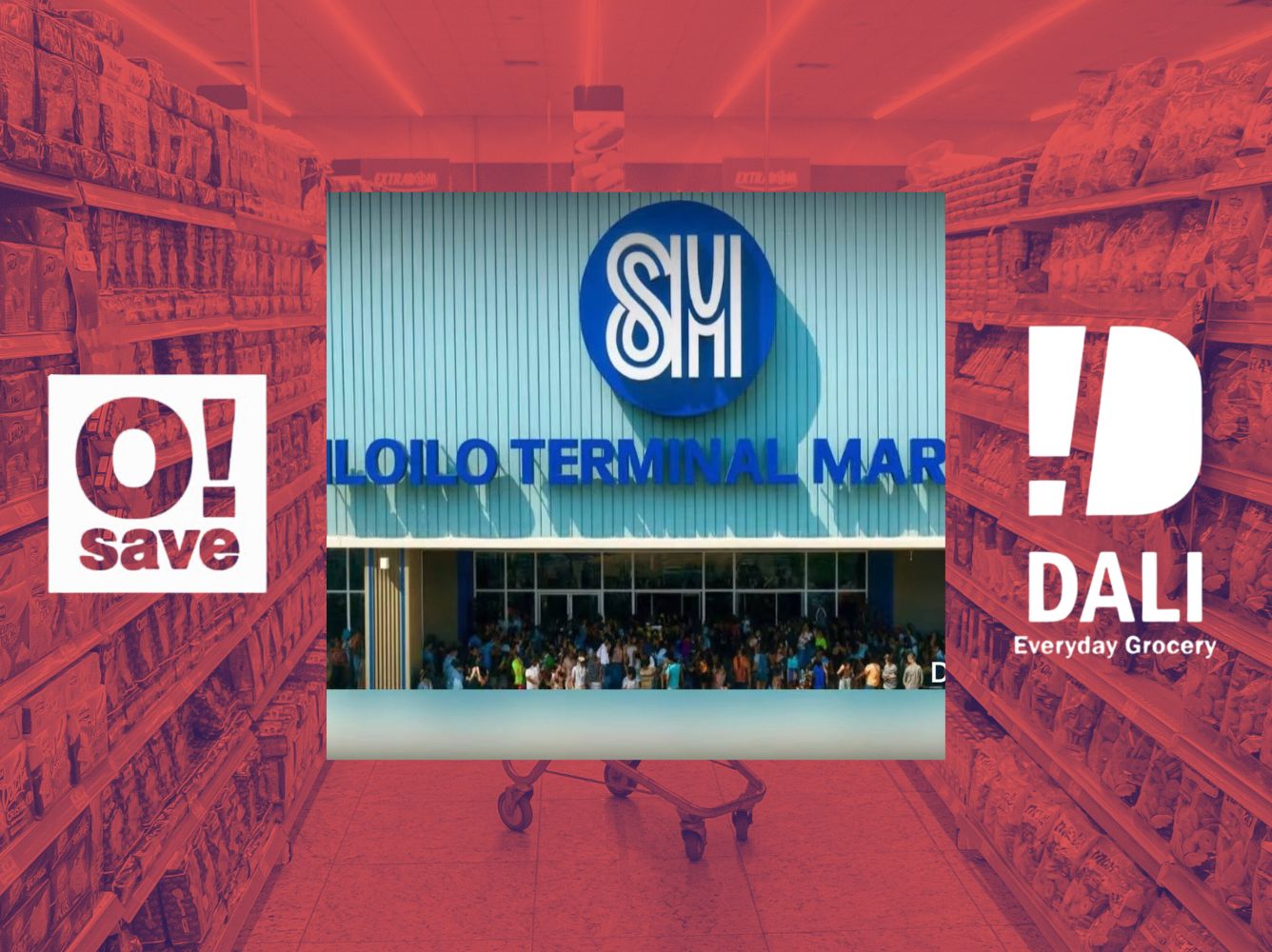
The Filipino grocery run has evolved into something of a competitive sport. Shoppers move with tactical precision, plotting routes between wet markets, discounters, hypermarkets and online carts as if managing a diversified portfolio. In today’s fast-moving consumer goods arena, the real victory is stretching every peso without sacrificing convenience.
Beneath the fluorescent lights and fish stalls, a quiet retail reshuffle is underway. Data from Worldpanel by Numerator suggests the story is no longer about abandoning one channel for another. It is about adding more stops to the map. The modern Filipino shopper does not switch lanes. They build an entire highway system.
Conglomerates such as SM Investments Corp. have taken notice, stepping beyond the mall and into the public market. At the same time, hard discounters like DALI and O!Save are multiplying across neighborhoods with the confidence of brands that know exactly what the customer wants. The formula is simple and almost stubborn in its focus. Value. Proximity. Enough assortment to make the trip count.
The comeback kid in this narrative is the market stall. Long regarded as the most traditional of retail formats, it is enjoying a glow up through partnerships between developers and local governments.
Property players including Robinsons Land Corp. and Megawide Construction Corp. are helping transform aging public markets into cleaner, more organized hubs that blend the charm of the palengke with the order of a mall.
In Iloilo, refurbished market complexes draw steady foot traffic, while similar projects rise in Bacolod, Cebu and General Santos.
The ventures unlock prime, government-owned locations for retailers that would otherwise be out of reach. They deliver the ultimate errand efficiency for shoppers. Fresh bangus, pantry staples, lunch, a remittance payment and maybe a quick salon visit, all before the ice cream melts.
Meanwhile, the discounters are perfecting the art of no frills retail.
The model echoes ALDI in Europe and the US, with lean staffing, private labels and shoppers cheerfully packing their own bags. The reward is a noticeably lighter receipt. Shelves carry everything from cookies and chips to chorizos and imported European wine, often produced by established manufacturers but sold under exclusive branding that keeps prices in check.
The numbers tell their own lively story. In the moving annual total period ending December 2025, discounters surged 77 percent. Online grew 15 percent. Market stalls and super and hypermarkets posted 5 percent gains.
Traditional groceries slipped 5 percent, while direct selling declined 7 percent. Overall FMCG growth moderated to 5 percent, proof that while spending continues, it does so with discernment.
The takeaway is not the demise of any single format. It is the rise of the strategic shopper. Fresh produce from the public market. Pantry basics from a discounter. Bulk buys from a hypermarket. Specialty finds online. Inflation may be easing, but prudence has become a habit.
In this new retail choreography, success belongs to those who respect the Filipino talent for stretching value without stretching patience. The basket may look the same. The journey to fill it has never been more interesting.