Life in the Philippines is a nonstop juggling act of diapers, wedding bells, and heart monitors. Babies arrive, couples say “I do,” and hearts occasionally tap out—all in a chaotic, beautiful rhythm that keeps the nation on its toes.
It is equal parts celebration and cautionary tale, with bustling cities, provincial towns, and crowded streets serving as the stage for the country’s most human milestones.
The Philippine Statistics Authority reports that from January to September last year, 907,362 babies were born—a slight slowdown from 2024, hinting at shifting family planning trends and urban living pressures. Weddings bells also rang more quietly, with only 198,344 couples tying the knot, down 31 percent from 2024, reflecting changing attitudes toward marriage, economic caution, or lingering pandemic-era delays.
Deaths, meanwhile, remain stubbornly high. Ischaemic heart disease led with 74,944 fatalities, followed by neoplasms or cancers (43,406) and strokes (37,641). Pneumonia and diabetes rounded out the top five. CALABARZON led the nation in both births (137,240) and marriages (30,846), while Quezon City topped Metro Manila with 22,250 newborns and 10,252 weddings—urban hubs still holding court over life’s biggest moments.
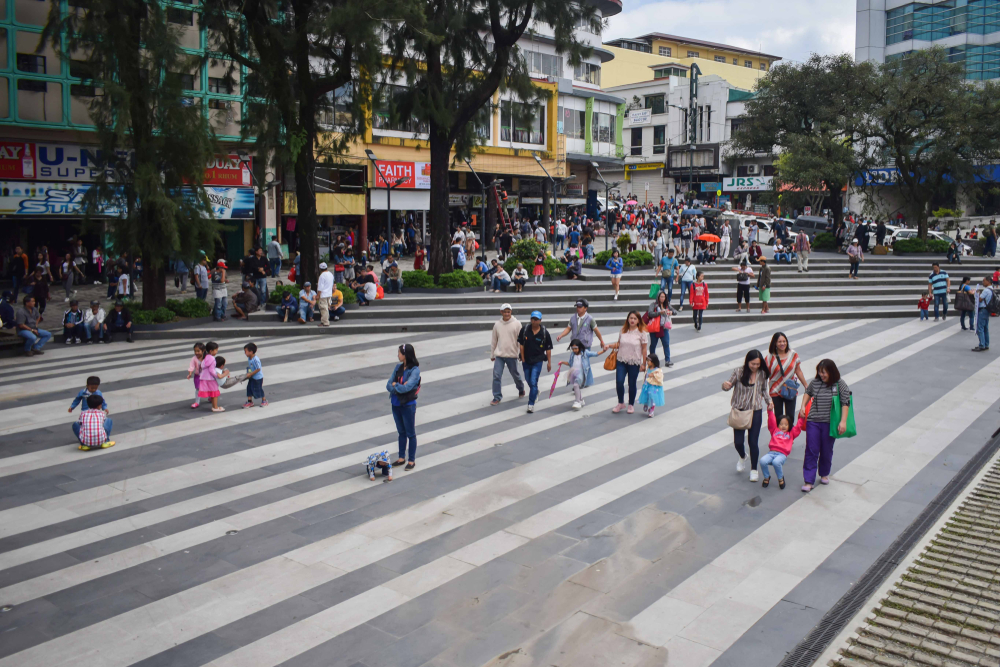
Together, these numbers paint a vivid portrait of the nation. Streets hum with strollers, malls buzz with families, and churches echo with vows, yet beneath the celebrations lies life’s fragility. Slowing births and weddings point to demographic shifts, while health challenges remind us that joy and endurance are inseparable.
From first cries to wedding bells to life’s final curtain, the Philippines moves fast and loud. In the pulse of babies, bells, and heartbeats, you can trace the country’s rhythm: messy, noisy, occasionally heartbreaking, but entirely, unmistakably human.