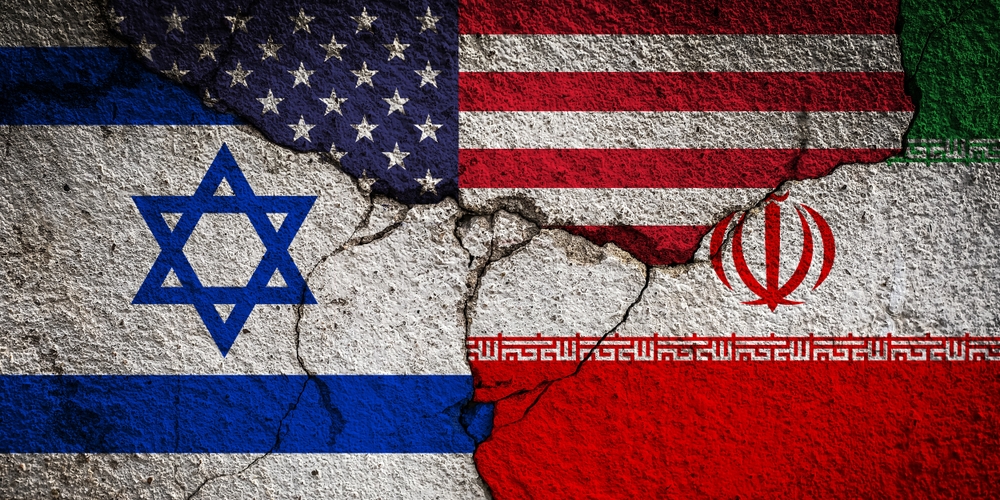
Escalating conflict between the US and Iran has jolted global markets anew, driving crude prices toward seven-month highs of USD 67 per barrel and sharpening risks for oil-importing economies like the Philippines. For the peso, the spike is a familiar stress test: higher energy costs threaten to widen the trade deficit and reignite inflation pressures just as stability seemed within reach.
Yet the currency has shown notable grit. The US dollar closed at P57.665 on February 27, edging to a near five-month low levels, weighed down by steady foreign inflows and a broadly softer greenback. February alone saw the peso appreciate 2 percent, underpinned by USD144 million in net foreign buying in equities, and record gross international reserves of USD112.6 billion, a formidable external buffer.
Michael Ricafort, chief economist at Rizal Commercial Banking Corp., noted that while geopolitical strains could push the peso toward resistance at P58.00–P58.70, structural supports remain intact. Prospects of inclusion in the JPMorgan Emerging Market Bond Index — potentially unlocking USD3 billion in inflows — alongside calibrated intervention by the Bangko Sentral ng Pilipinas, may temper volatility unless oil sustains a sharper climb.
Equities echo that resilience.
The Philippine Stock Exchange Composite Index climbed for a sixth straight session, rising 1.1 percent to 6,619.87, its highest in over a year and fully reversing losses tied to the July 2025 SONA controversy. Foreign buying, firmer corporate earnings, easing yields and renewed risk appetite have fueled the rebound.
Brokerage 2TradeAsia sees momentum intact but advises caution near-term, maintaining a “buy on dips” stance with support at 6,300 and resistance at 6,700.
For now, the Philippines stands at a delicate crossroads: oil-driven headwinds loom, but robust reserves, returning capital and disciplined policy provide a sturdy shield against deeper market tremors.