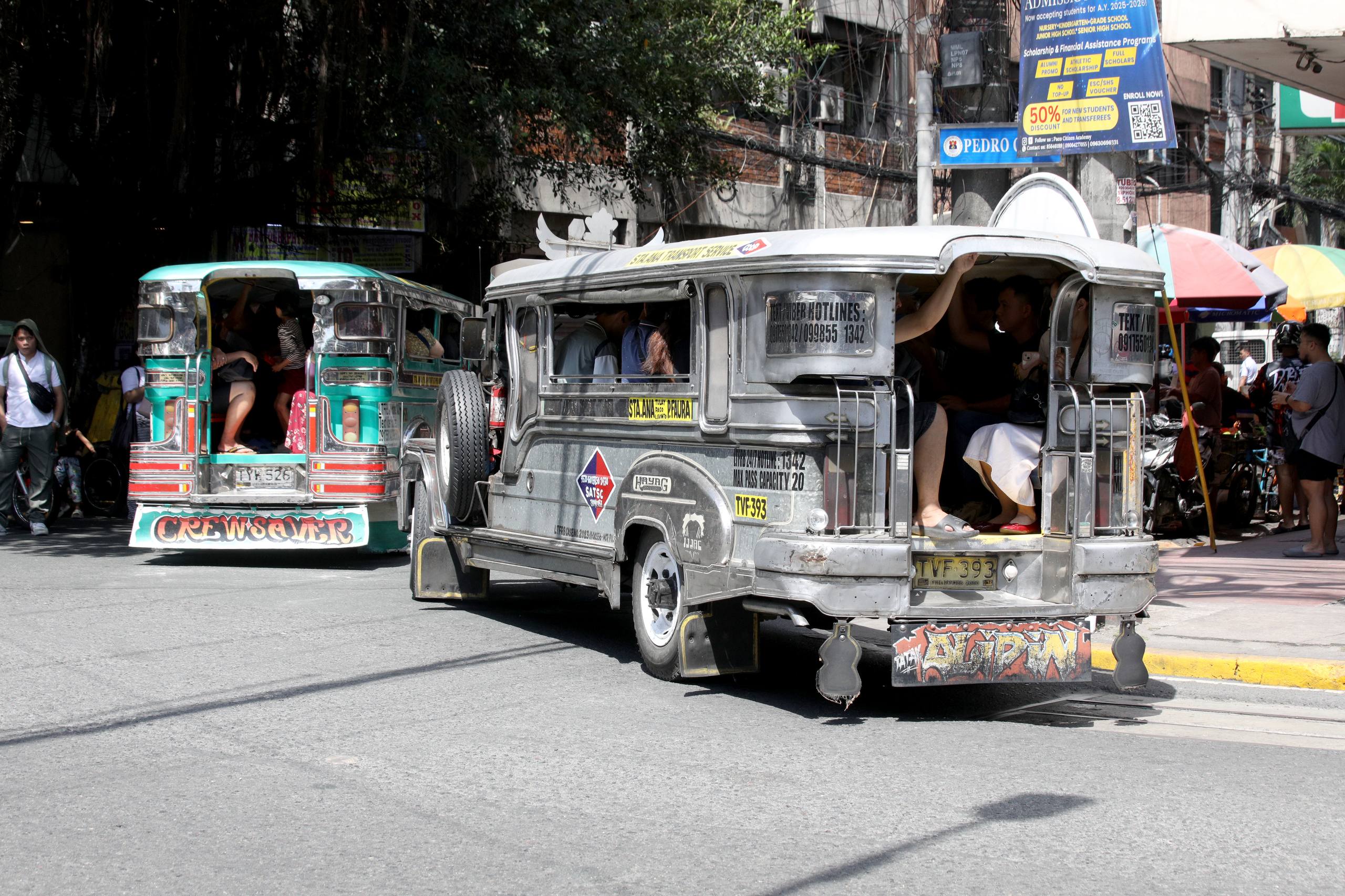
The Department of Agriculture (DA) said it has set aside P150 million for fuel subsidies if global oil prices average more than $80 per barrel for a month, a trigger meant to cushion farmers, fishers and public transport drivers from rising costs.
Under existing policy, fuel assistance is automatically released once the $80 threshold is breached for a month. The measure aims to prevent higher fuel prices from pushing up transport and production costs, which can lead to increases in food and other basic goods.
DA spokesperson Arnel de Mesa said about 9,700 farmers and 15,800 fishers are qualified to receive support under the program.
The DA also assured the public that rice supply remains sufficient, with local palay harvests peaking during the summer months. Domestic production is expected to cover demand from March to April, with stocks lasting until the lean season in August to September.
Imports that arrived in January and February—totaling nearly 700,000 metric tons—add to the buffer, the agency said.
The DA noted that most Philippine rice imports do not pass through the Strait of Hormuz, a key global oil shipping route. While supply disruptions there could raise fuel prices, the impact on rice supply is expected to be minimal.
The strait handles over 20 percent of global oil and gas shipments, and any disruption can drive up international oil prices and local pump costs, which in turn affect food transport expenses.
Some food items sourced mainly from the Middle East—such as uncooked pasta, orange juice, grape juice, milk and processed cheese—may face temporary supply issues if passage is restricted. However, the DA said these goods can be sourced from other countries. Imports from the Middle East account for about $18 million as of 2024, a relatively small share of total imports.
Despite global uncertainties, the DA said infrastructure projects remain on track. France has offered a €350 million (about P23.83 billion) loan to fund the construction of more than 300 bridges across the country.
The bridges are intended to complement farm-to-market roads, many of which currently lack bridge components, limiting their efficiency. The loan is expected to be approved next month, with projects targeted for completion within three to four years.
The fuel subsidy program acts as a safeguard against oil-driven inflation, especially for the agriculture sector. By cushioning transport and production costs, the government aims to stabilize food prices, protect farmer incomes and maintain steady supply amid geopolitical risks.