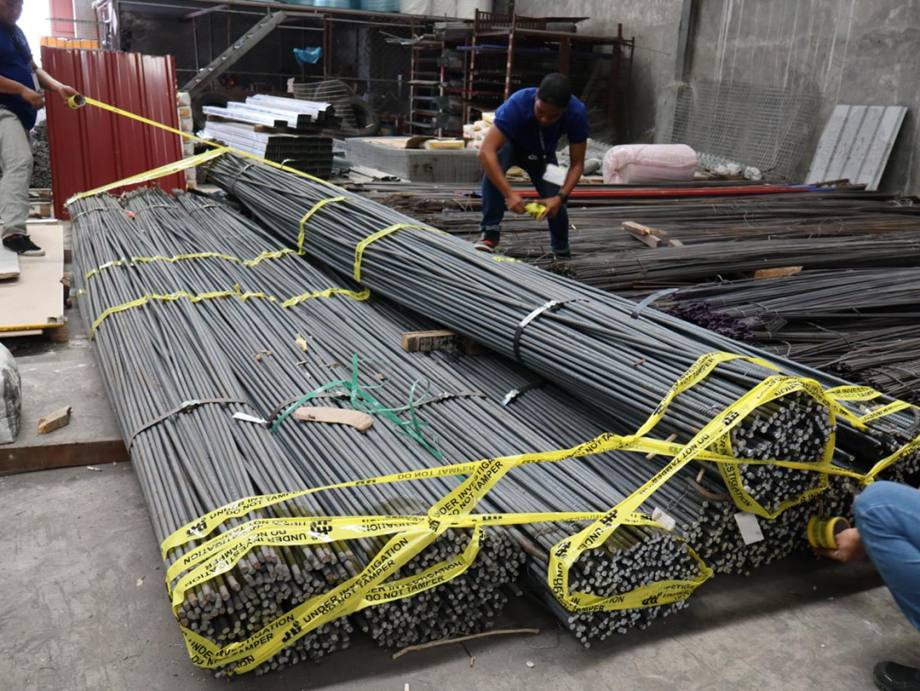
The local steel industry is calling for stricter enforcement of material standards in infrastructure projects, warning that substandard and underweight steel products remain a persistent risk in the domestic market.
Joel Ronquillo, president of the Philippine Iron and Steel Institute, said the group is coordinating with government agencies to ensure construction materials used in public works comply with Philippine National Standards (PNS).
“Number one, it’s about standards,” Ronquillo said in an interview. “When you build in the Philippines, by law you should follow Philippine standards.”
The issue has surfaced in industry discussions surrounding the proposed Bataan–Cavite Interlink Bridge, particularly in the project’s fourth phase. Industry representatives are seeking assurances that materials used in the project will meet local specifications.
Ronquillo said PISI intends to participate in technical working groups with several government agencies to address trade and compliance issues affecting the sector. These include the Department of Public Works and Highways, Bureau of Customs, Bureau of Internal Revenue, and Department of Finance.
Among the industry’s concerns are the smuggling of steel products, valuation discrepancies in imports and the continued entry of substandard materials—particularly reinforcing bars that are underweight and fail to meet minimum specifications.
Ronquillo said the steel industry has raised the issue repeatedly with the Department of Trade and Industry, though enforcement remains a challenge.
The group emphasized it supports open and competitive bidding for public infrastructure projects but said compliance with Philippine standards must apply to all suppliers.
“It doesn’t mean foreigners cannot supply,” Ronquillo said. “Anyone can supply, but they must follow Philippine standards.”