The ASEAN Digital Economy Framework Agreement (DEFA) is gearing up to transform Southeast Asia’s digital landscape. Targeted for signing in Manila this November on the sidelines of the ASEAN Summit, the pact signals a major leap in regional economic integration.
Described by Lyn Aquia, director of the Bureau of International Trade Relations, as the bloc’s “most comprehensive digital trade agreement,” DEFA is designed to create a digital ecosystem that is open, secure, interoperable, competitive, and inclusive.
The agreement tackles pressing challenges that have long slowed cross-border digital business. From online consumer protection and personal data safeguards to cybersecurity standards and anti-scam measures, DEFA aims to build trust across the digital economy.
This is particularly crucial for micro, small, and medium enterprises, which increasingly depend on digital platforms to reach markets beyond their borders.
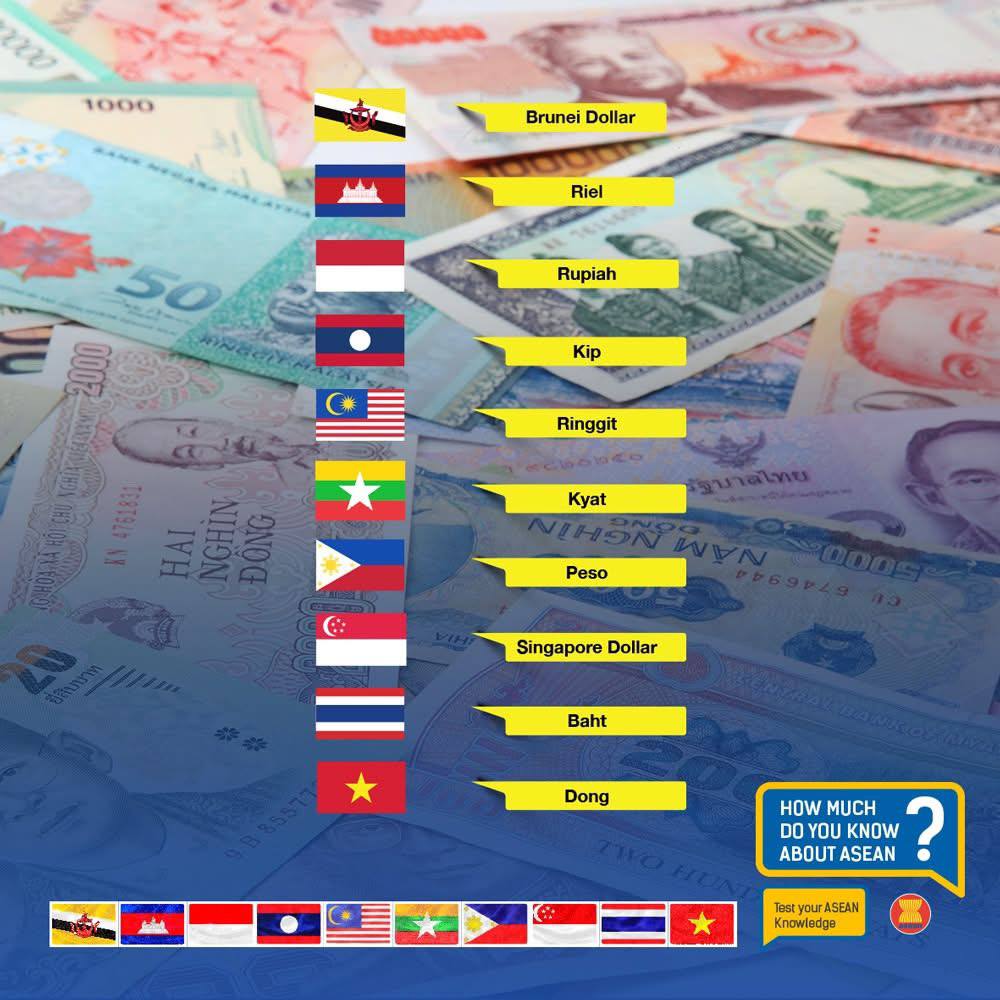
A key innovation under DEFA is interoperable digital payment systems. In practice, a payment platform in the Philippines could seamlessly operate in Indonesia, Thailand, or Vietnam, reducing frictions, lowering transaction costs, and minimizing currency fees. Experts say this could streamline cross-border e-commerce and accelerate intra-ASEAN trade flows.
Legal teams are now reviewing the agreement text, setting the stage for its official launch later this year. Analysts note that progressive rules under DEFA could unlock up to US$2 trillion in digital economic value, reinforcing ASEAN’s ambition to compete globally in fintech, e-commerce, and digital services.
For a region often fragmented by regulatory differences, the pact represents more than just digital facilitation—it’s a strategic step toward deeper economic cohesion, positioning ASEAN as a unified player in the USD5 trillion global digital economy.
If all goes to plan, November could mark the start of a new, borderless chapter for Southeast Asia’s digital markets.