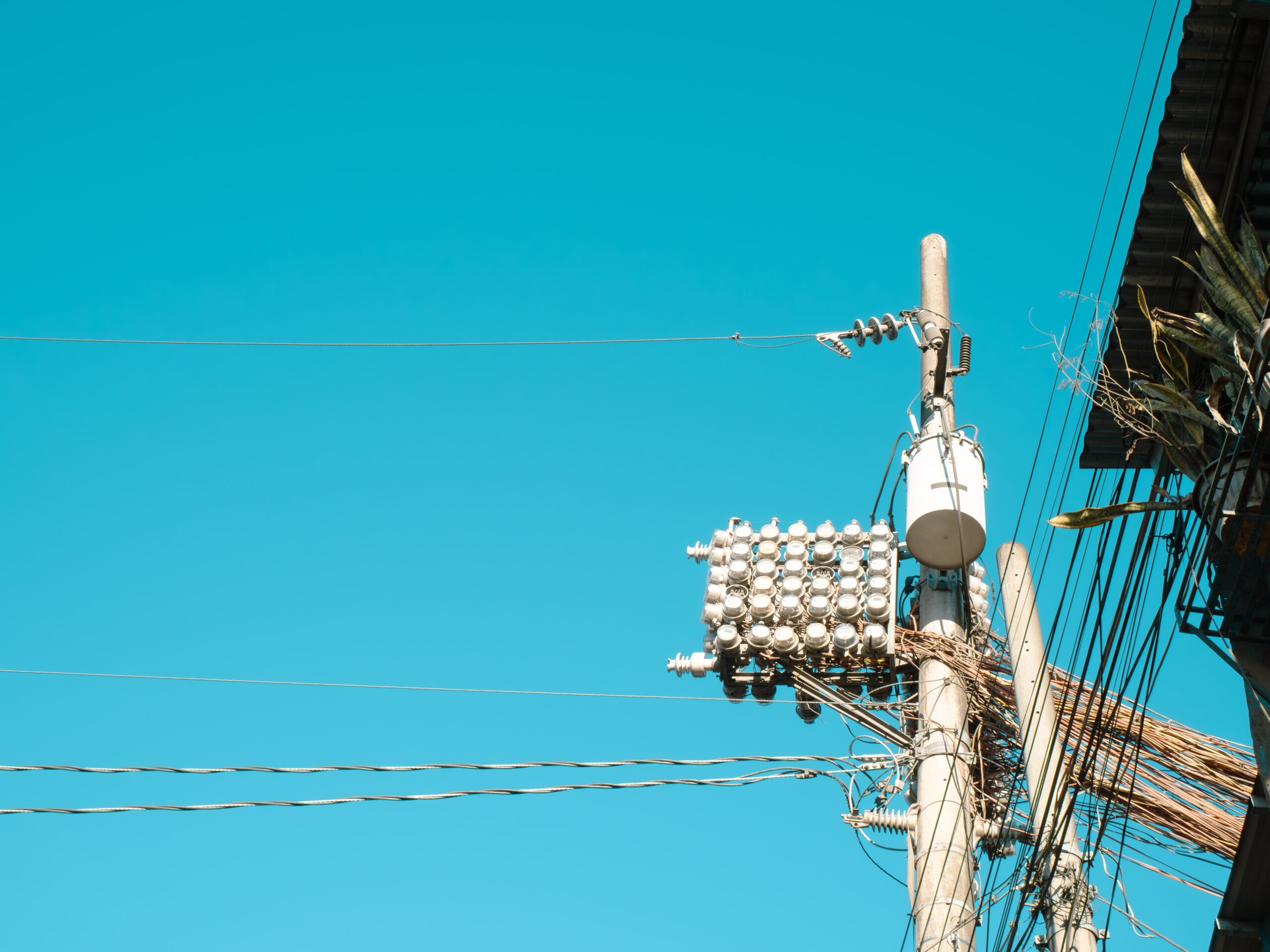
The Manila Electric Company (Meralco) announced a power rate increase for March, raising electricity prices by P0.6427 per kilowatt-hour (kWh).
This brings the total rate for a typical household to P13.8161 per kWh, up from P13.1734 per kWh in February. For homes consuming around 200 kWh per month, the increase means about P129 more in their electricity bill.
The increase was mainly caused by higher transmission and generation charges.
Transmission charges rose by P0.2880 per kWh after the National Grid Corporation of the Philippines (NGCP) paid significantly more for reserve power from the Wholesale Electricity Spot Market. Ancillary service costs from the reserve market increased by about 70 percent.
Generation charges also went up by P0.2209 per kWh to P7.8607 per kWh. This was partly due to fixed costs from a power supply agreement extension with the First Gas-Sta. Rita power plant.
However, prices from the spot market fell because of improved power supply in the Luzon grid, which helped limit the increase.
The rate also includes a contract price adjustment approved by the Energy Regulatory Commission for power suppliers including ACEN Corporation, Panay Energy Development Corp., South Premiere Power Corp., and Sual Power Inc..
Other charges such as taxes also rose slightly.
Meralco said its distribution charge has not changed since August 2022, when it implemented a small reduction.
Higher electricity rates mean increased operating costs for businesses and higher monthly expenses for households. For companies—especially small businesses that rely heavily on electricity—this could add pressure on profit margins or lead to higher prices for goods and services.
At the same time, electricity demand is expected to increase as the country enters the dry season, when power use typically rises due to cooling appliances such as air conditioners.
Meralco urged consumers to conserve electricity, echoing the call of Ferdinand R. Marcos Jr. for energy-saving measures amid global fuel market uncertainty linked to tensions in the Middle East.
The company advised households and businesses to reduce consumption by unplugging unused appliances, maximizing natural light, maintaining air conditioners, and setting cooling units at 25°C.
Energy use usually rises by 20 percent to 33 percent during the dry season, making conservation efforts important to help manage electricity bills.