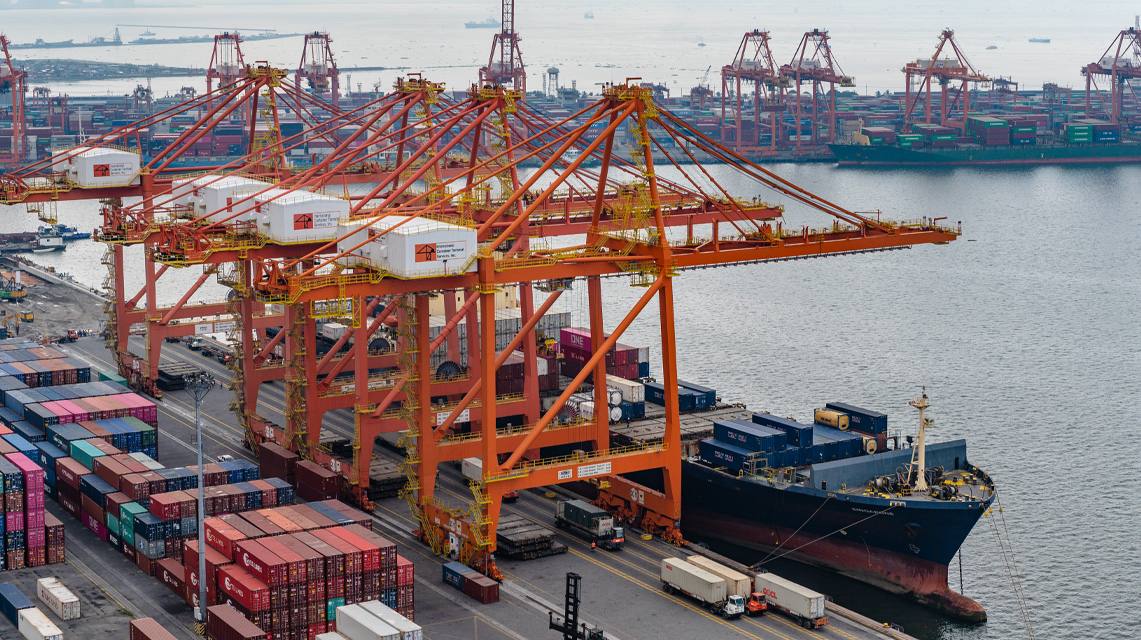
The Philippines is charting a bold course to modernize its maritime infrastructure, with the Department of Transportation (DOTr) leading the charge. At a recent CEO Forum in Parañaque City, Assistant Secretary Villamor Ventura Plan revealed the government currently oversees 43 active local port projects, with 27 already completed in 2025.
But Plan stressed that the momentum is just beginning. “We are not stopping here,” he said, announcing plans to finish 49 more port projects by 2028, reinforcing the country’s maritime connectivity and boosting economic growth.
Modernization, he emphasized, isn’t just about bigger ports—it’s about smarter ones. The DOTr is pursuing digital transformation across ports, using technology to optimize ship movement, streamline operations, and ensure cargo reaches destinations efficiently.
The agency is also mindful of economic pressures weighing on the maritime sector. Rising fuel costs and global oil price volatility, fueled by tensions in the Middle East, pose challenges. Plan noted that targeted subsidies and incentives are being explored to ease the burden on shipping and logistics operators.
Sustainability is a top priority as well. Green port initiatives are already underway, with Batangas, Cagayan de Oro, Surigao, the Manila International Container Terminal, and General Santos earning recognition for environmentally responsible operations.
Cruise tourism is also getting a push, as the Philippines positions itself as a rising global destination. By combining smarter ports with greener practices and strategic incentives, the government is aiming to make maritime trade and tourism more efficient, resilient, and attractive.
With a clear focus on technology, sustainability, and connectivity, the Philippines is steering toward a future where ports don’t just move cargo—they drive economic growth and global competitiveness.