The Philippines is making a calculated play to climb higher in the global aerospace value chain—this time by courting investments in in-flight entertainment (IFE) systems.
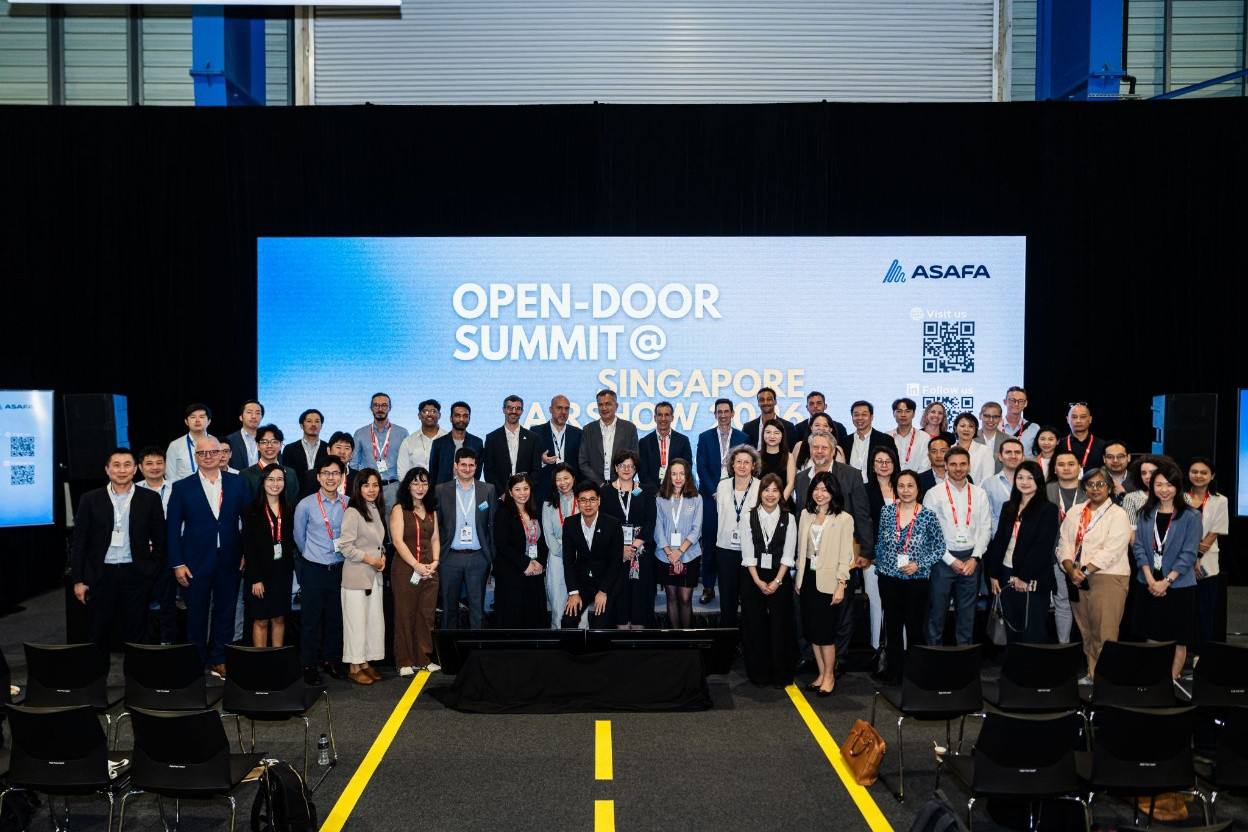
At the Singapore Airshow 2026, the Board of Investments positioned the country not just as a supplier of aircraft components, but as a future hub for aviation technology and sustainable aviation fuel. The pitch: combine the Philippines’ established electronics sector with its growing aircraft interiors manufacturing base.
According to BOI executive director Ma. Corazon Halili-Dichosa, the government is targeting both the software and hardware side of aircraft infotainment systems. The move would complement existing aerospace production already embedded in the country’s manufacturing clusters.
A key anchor is the aircraft seat manufacturing industry in Batangas, where suppliers already produce seats and interior components used by global aircraft makers including Boeing and Airbus. Because in-flight entertainment screens, processors and wiring are integrated directly into seats, producing them locally would deepen value creation across the same supply chain.
In other words, the Philippines wants to move from assembling parts to embedding technology within them.
That shift matters. IFE systems sit at the intersection of aerospace engineering, electronics manufacturing and software development—industries where the country already has pockets of capability. If successfully localized, the segment could raise the technological intensity of Philippine aerospace exports while expanding opportunities for the domestic electronics sector.
The strategy comes alongside another aviation push: positioning the country as a regional hub for sustainable aviation fuel production, part of the aviation industry’s global race toward net-zero emissions by 2050.
For policymakers, the two efforts share a common logic—move up the value ladder while building an ecosystem of skilled labor. Through programs linking universities and industry, the government is trying to ensure that talent keeps pace with ambition.
If the plan lands, the Philippines may soon export not just aircraft parts—but the passenger experience itself.