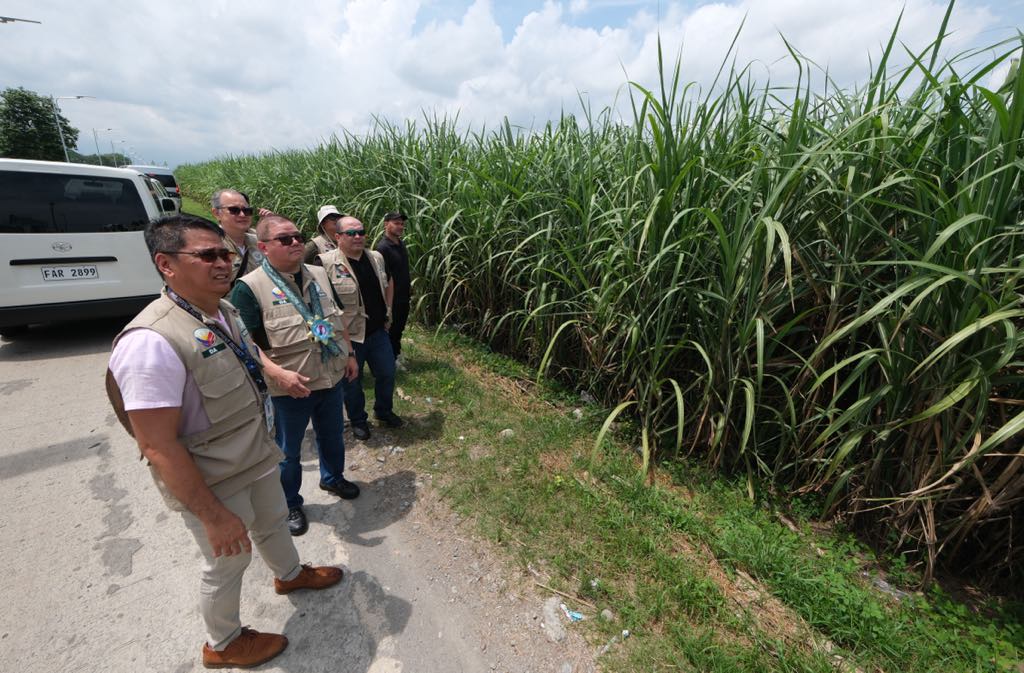
The government is moving to safeguard fuel and fertilizer supplies for the sugar industry as the sector enters the most resource-intensive phase of the harvest season.
The Department of Agriculture (DA) and the Sugar Regulatory Administration (SRA) said they are coordinating with other government agencies to ensure stable access to key farm inputs for sugar producers, amid concerns that the ongoing conflict in the Middle East could disrupt global petroleum supplies.
Fuel demand spikes during the peak of the harvest cycle, when farmers simultaneously harvest cane, transport it to sugar mills, and prepare fields for the next crop. Tractors for land preparation, irrigation systems, and hauling operations all depend heavily on fuel.
At the same time, growers are also ramping up fertilizer use as they begin fertilization for the next planting cycle.
SRA Administrator Pablo Luis Azcona said the agency has sought the assistance of Agriculture Secretary Francisco Tiu Laurel Jr. to raise the industry’s concerns with the Department of Energy and other relevant agencies.
“We have asked the help of Secretary Tiu-Laurel to bring the problems of our sugar farmers caused by the Middle East conflict to the DOE and other government agencies,” Azcona said.
The issue was flagged by farmer representative to the SRA board David Sanson, who last week asked sugar federations for recommendations on possible government intervention should global tensions trigger supply disruptions or price spikes in petroleum-based inputs.
Tiu Laurel said the government recognizes the critical role of fuel and fertilizer in sustaining farm productivity. “We will work to ensure a stable supply of fuel and fertilizer, as well as other inputs—not only for sugar farmers but for all Filipino farmers and fisherfolks,” he said.
Industry officials say stabilizing these inputs during the harvest peak is crucial to protecting output and preventing cost pressures from rippling through the country’s sugar supply chain.