



The Subic Bay Freeport Zone is plotting a major leap into the regional cruise tourism market with plans to build a dedicated cruise ship terminal worth about P10 billion, an investment that also coincides with renewed shipbuilding activity and expanding container operations in the port hub.
According to Subic Bay Metropolitan Authority (SBMA) senior deputy administrator Ronnie Yambao, the proposed terminal would fill a long-standing gap in the Philippines’ maritime infrastructure, which is the absence of a purpose-built cruise facility.
“While the country already has sufficient port facilities to accommodate cruise ship arrivals, there is currently no dedicated cruise terminal in the Philippines—particularly in this region,” Yambao said during a CEO Forum on the port industry in Parañaque City on March 11.
The planned facility, set to rise along the Subic Bay Boardwalk, will be designed to handle some of the world’s largest cruise ships carrying 5,000 to 6,000 passengers per voyage.
The project will be rolled out in phases. The first phase involves roughly P2 billion for terminal infrastructure. A second phase, estimated at P7 billion to P8 billion, will cover land reclamation and the development of commercial facilities around the terminal.
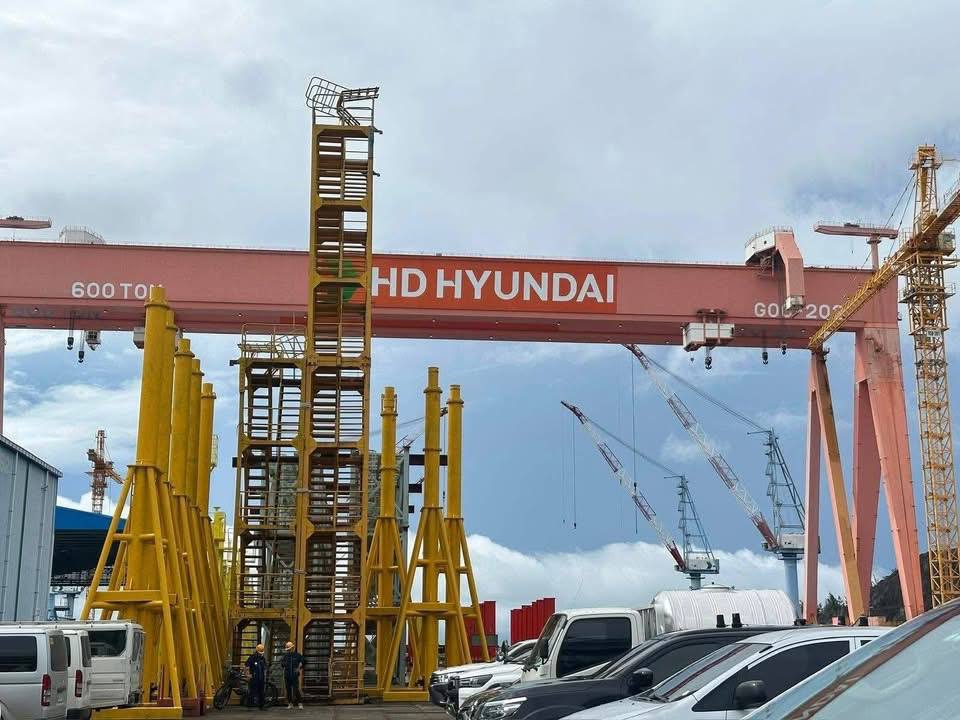
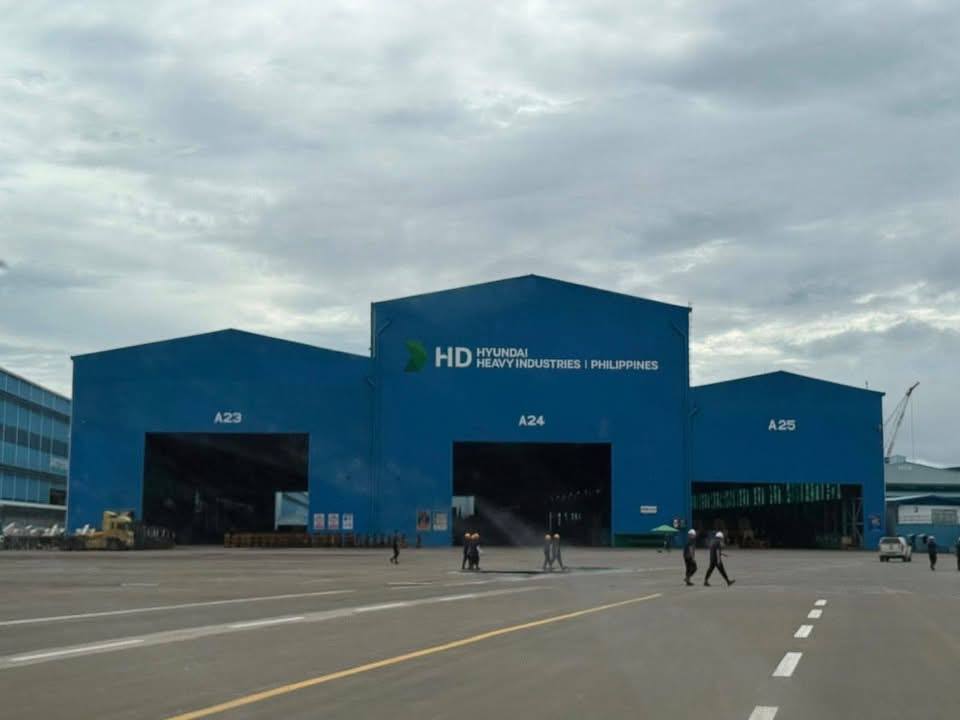
Beyond cruise tourism, Subic’s maritime industry is also gaining traction again. South Korean shipbuilder HD Hyundai is expected to launch the first vessel built at the Subic shipyard since its return to the Freeport, with the debut scheduled around June or July this year.
Meanwhile, the Subic Bay International Container Terminal is upgrading its port infrastructure to handle larger post-Panamax vessels. New quay cranes are being installed to expand cargo capacity as global shipping lines deploy bigger ships.
SBMA is also pushing modernization initiatives, including green port technologies and shore power connectivity targeted by 2028, allowing docked vessels to plug into land-based electricity and cut emissions.
The combined push in cruise tourism, shipbuilding and cargo logistics signals a broader ambition for Subic to reclaim its place as one of the Philippines’ premier maritime gateways.




