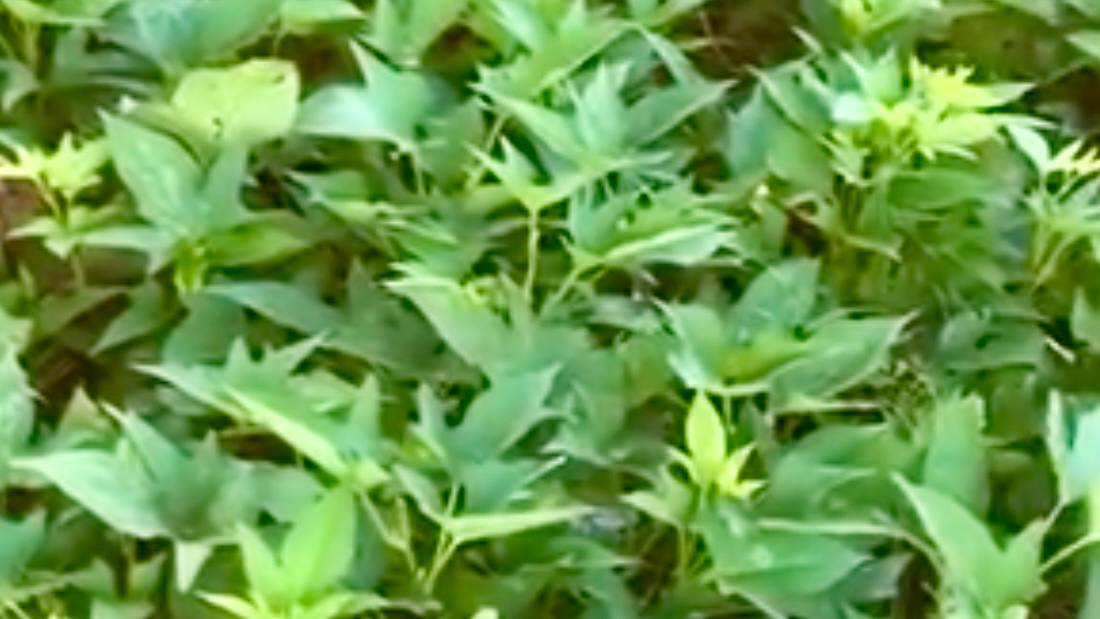
What many Filipino farmers toss aside after harvesting camote might actually help feed the country’s favorite farmed fish—tilapia.
A new study in the February issue of the Philippine Journal of Science suggests that sweet potato shoot tops, better known locally as “talbos ng kamote,” can partly replace costly fishmeal in tilapia feed without sacrificing growth or profits.
In other words, yesterday’s vegetable scraps could become tomorrow’s fish food.
Researchers from Partido State University experimented with a hot-water extract made from sweet potato shoots and added it to feed for Nile tilapia, one of the most widely-farmed fish species in the Philippines.
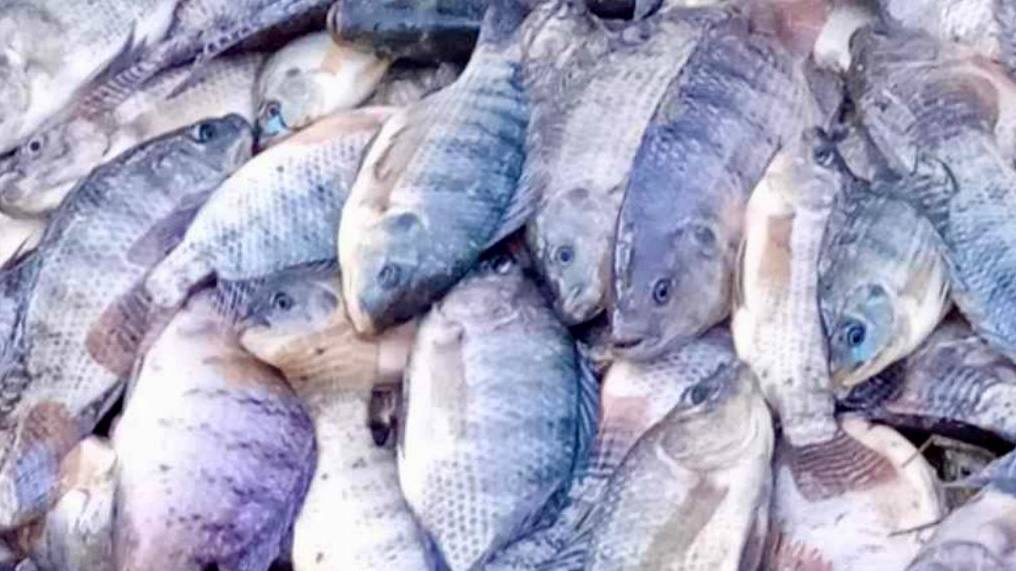
Fishmeal remains the gold standard in aquaculture diets because it is rich in protein. But it is also expensive and tied to the harvesting of wild forage fish. With feed accounting for roughly half of tilapia production costs, farmers are constantly searching for cheaper and more sustainable alternatives.
What many Filipino farmers toss aside after harvesting camote might actually help feed the country’s favorite farmed fish—tilapia.
The scientists put the idea to the test in a 120-day feeding trial. Juvenile tilapia were raised in aerated tanks and fed diets containing different levels of camote-shoot extract. Four formulations were tested, containing 0 percent, 2.5 percent, 5 percent, and 10 percent extract.
The tilapia did not seem to mind the botanical twist in their menu. Fish fed diets with 2.5 percent and 5 percent extract grew almost as well as those eating traditional fishmeal-based feed. Weight gain, feed efficiency, and survival remained essentially the same.
Push the ingredient too far, however, and the results turn soggy. At 10 percent inclusion, fish grew noticeably slower and feed conversion worsened. Researchers say higher concentrations of plant compounds may start interfering with digestion.
The practical takeaway is a neat compromise. At about 5 percent inclusion, the extract can replace roughly 25 percent of fishmeal protein while keeping farm profitability intact.
For small-scale growers, the finding hints at a tidy loop in farm economics. A crop already abundant in Philippine fields may help feed fish, trim reliance on imported inputs, and turn a once-discarded leaf into a quietly valuable ingredient.