A proposed measure in the House of Representatives of the Philippines could temporarily ease the country’s biofuel blending mandate as lawmakers look for tools to stabilize pump prices during periods of oil market turbulence.
The bill, now under deliberation, would allow the President to suspend the locally sourced biofuel blending requirement under the Biofuels Act of 2006 for up to one year when abnormal fuel price movements occur. The proposal was certified as urgent by President Ferdinand R. Marcos Jr., underscoring the administration’s focus on shielding consumers from global energy price volatility.
Importantly, the measure includes a built-in safeguard for the domestic biodiesel sector. Suspension would only be allowed if the price of blended fuel rises at least five percent above the cost of pure petroleum fuel.
According to Alvin Lao, President and CEO of D&L Industries, Inc., current market conditions remain well below that trigger point. “Based on prevailing market conditions, the price differential between biodiesel-blended diesel and pure diesel remains well below the five percent threshold indicated in the proposed legislation,” Lao said, adding that the company does not expect any material impact at present.
At current price levels—around P90 per liter for diesel—the differential is estimated at roughly 1.33 percent, far below the proposed threshold.
Lao also emphasized that the measure is intended as a temporary price stabilization tool rather than a reversal of the country’s renewable fuel policy. “The proposed measure does not repeal the Biofuels Act or alter the long-term policy direction toward renewable fuels,” he said.
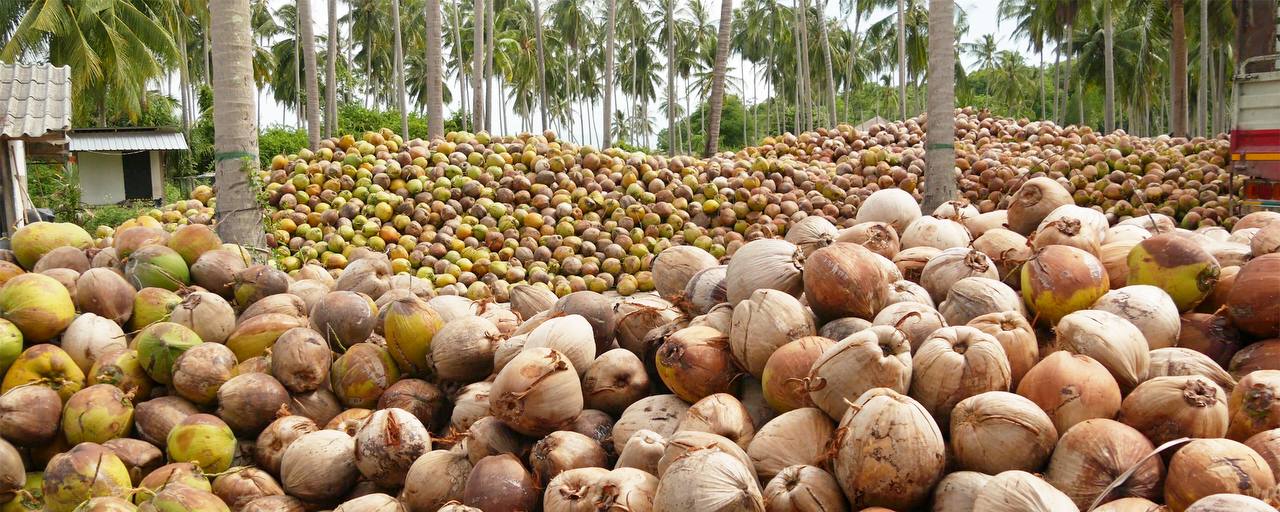
D&L’s biodiesel production is carried out through Chemrez Technologies, Inc., a leading producer of coconut-based biodiesel. The firm noted it could redirect output toward higher-value coconut-based oleochemical exports if domestic biodiesel demand temporarily softens.