The Department of Transportation confirmed Tuesday that the Land Transportation Franchising and Regulatory Board has approved sweeping fare increases across public transportation, citing relentless fuel price hikes fueled by global geopolitical tensions.
LTFRB chairman Vigor D. Mendoza II stressed that the decision was carefully studied with support from the Department of Economy, Planning, and Development, describing it as a necessary step to keep the transport sector afloat while still safeguarding commuters.
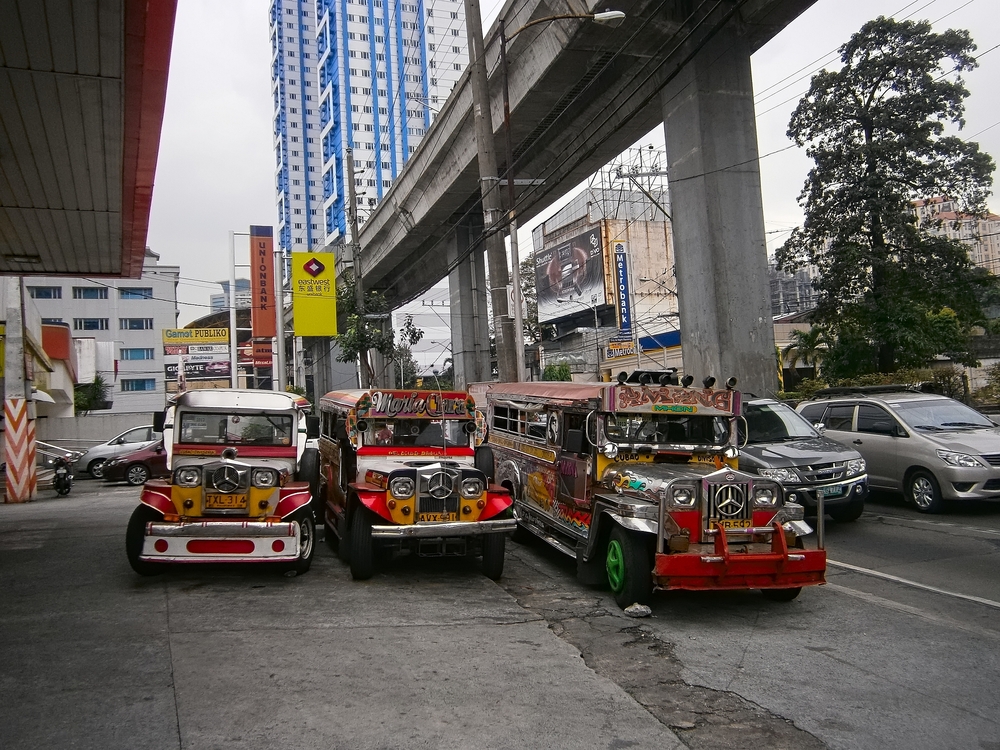
The fare hikes will be felt immediately across major modes of transport. Traditional jeepneys will see their minimum fare rise from ₱13 to ₱14, while modern jeepneys jump from ₱15 to ₱17, signaling a notable increase for daily riders. Bus passengers will also shoulder higher costs, with ordinary city buses increasing fares from ₱13 to ₱15 and air-conditioned buses climbing from ₱15 to ₱18. Even provincial routes will not be spared, as base fares and per-kilometer charges go up depending on bus type.
Commuters using ride-hailing services will likewise face higher base fares, while airport taxi passengers will experience one of the steepest jumps, with the flag-down rate surging from ₱75 to ₱115. Despite these increases, regulators emphasized that certain charges—such as per-kilometer and waiting time rates for some services—remain unchanged.
Authorities underscored that these adjustments reflect an average 19 percent increase nationwide, driven by a sharp spike in fuel prices, rising maintenance and operational costs, and wage adjustments since the last fare review. Global crises, including the ongoing war in Ukraine and escalating tensions in the Middle East, were identified as major contributors to the surge in petroleum prices.
Officials defended the move as a “reasonable” and “measured” response, noting that fare increases remain below the pace of cost and wage growth. They also assured the public that protections remain in place, including mandatory 20 percent discounts for senior citizens, persons with disabilities, and students.
The LTFRB has yet to rule on pending fare hike petitions for taxis and UV Express services. Meanwhile, the new rates will take effect once operators secure and display updated fare matrices, marking a significant shift in commuting costs nationwide.