Facing volatile oil prices and rising energy security risks, the Philippine government is considering a temporary loosening of fuel standards to widen supply sources and ease costs.
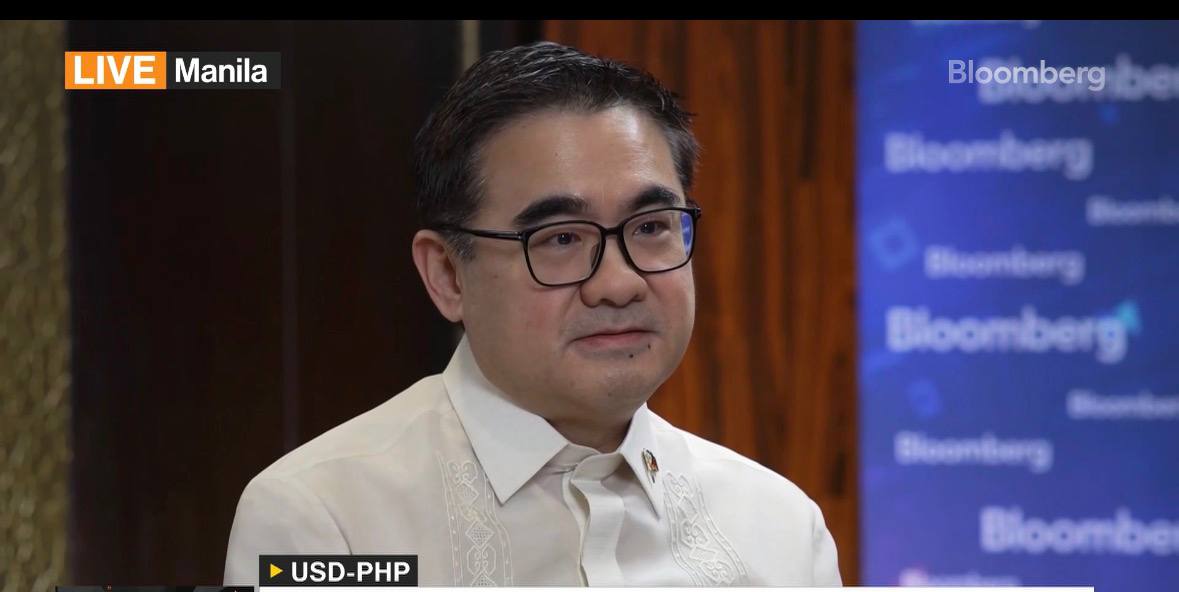
In a March 17 interview with Bloomberg, Finance Secretary Frederick Go said the proposal could serve as a short-term buffer while longer-term energy reforms are rolled out. He disclosed that he and Energy Secretary Sharon Garin recently met with 16 oil firms amid concerns over potential supply tightness as early as May.
Industry players urged regulators to relax fuel specifications during the current crunch. While strict standards ensure quality and environmental compliance, they also narrow the country’s sourcing options.
“By relaxing those product standards, we can access cheaper fuel and open up more sources,” Go said.
The Philippines currently relies on a limited supplier base mainly Korea, Japan, Singapore, and China whose products meet its stringent requirements. Easing these rules, even temporarily, could expand the supplier pool by three to four times and unlock more competitive pricing.
The Department of Energy is reviewing the proposal. Go said the government is looking at it very positively given the urgency of stabilizing supply.
The move would complement other stopgap measures, including plans by the Philippine National Oil Co. to purchase an additional 2 million barrels to bolster buffer stocks.
Despite the near-term focus on fuel access, officials stress that diversification remains the long game. Renewable energy including solar, wind, and battery storage now accounts for about 70 percent of registered investments, signaling a broader shift even as authorities race to secure affordable supply.