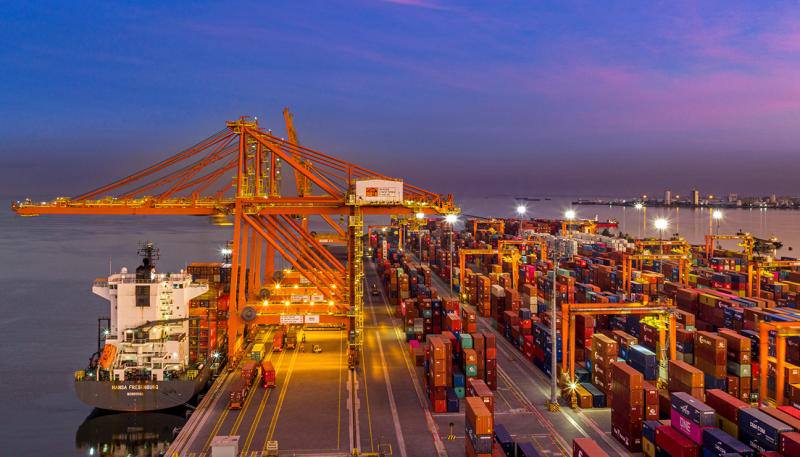
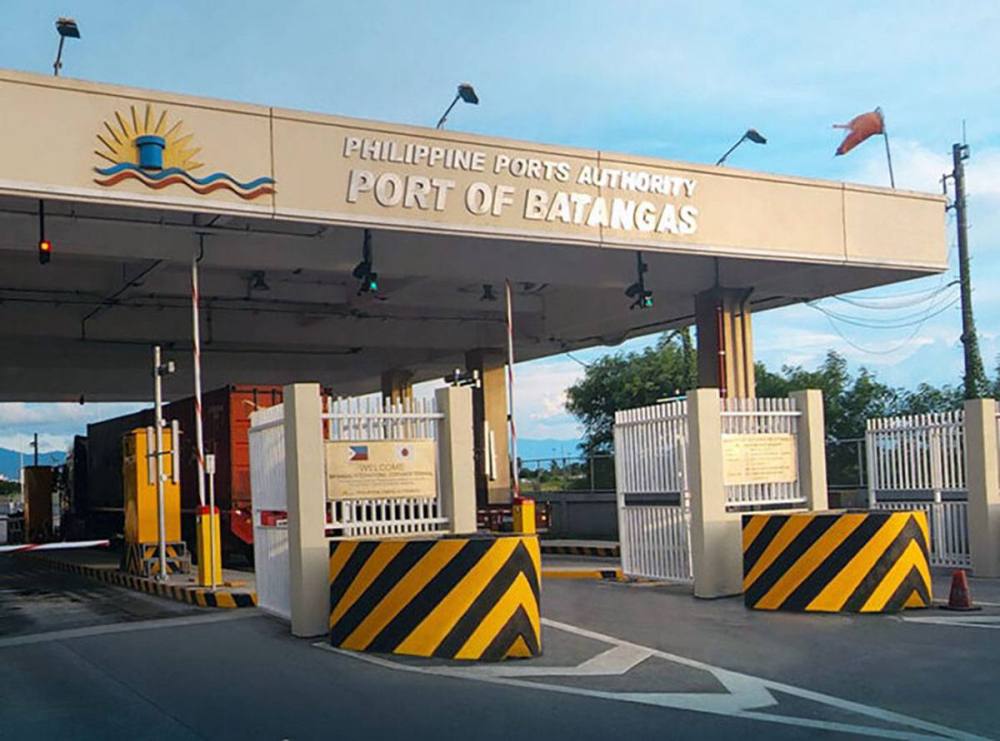
The Bureau of Customs’ 2025 lists of top importers at the Port of Batangas and the Manila International Container Port (MICP) reveal more than a split in economic roles—they show how location dictates the direction, speed, and cost of trade.
At Batangas, industry and energy dominate. Automotive firms such as Toyota Motor Philippines, Mitsubishi Motors Philippines, Ford Group Philippines, BYD Philippines, Nissan Philippines, and Suzuki Philippines share the list with fuel giants Shell Pilipinas, Unioil Petroleum Philippines, and Chevron Philippines, plus power producer South Premiere Power Corp.
The pattern is geographic. Many of these companies operate plants, depots, or energy facilities in Batangas and across CALABARZON, just minutes from the port. That proximity slashes inland transport costs and turnaround times for bulk cargo—fuel, vehicle parts, and industrial inputs—cementing Batangas’ role as a high-volume industrial gateway feeding Southern Luzon’s production belt.
MICP tells a different story—one driven by consumption. Its top importers include Emperador Distillers, Mondelez Philippines, and Universal Robina, alongside electronics heavyweights Samsung Electronics Philippines and LG Electronics Philippines, and retail players like Bricolage Philippines and Procter & Gamble Philippines.
Clustered in Metro Manila and nearby hubs, these firms tap MICP’s direct access to the country’s সবচ densest consumer market, warehousing networks, and national trucking routes. The payoff: faster inventory turnover and tighter last-mile delivery.
The contrast is clear. Batangas anchors production and energy flows close to factories. Manila fuels consumption, pushing goods swiftly into retail channels.
Together, the two ports form a complementary logistics spine—where geography isn’t incidental. It’s strategy.