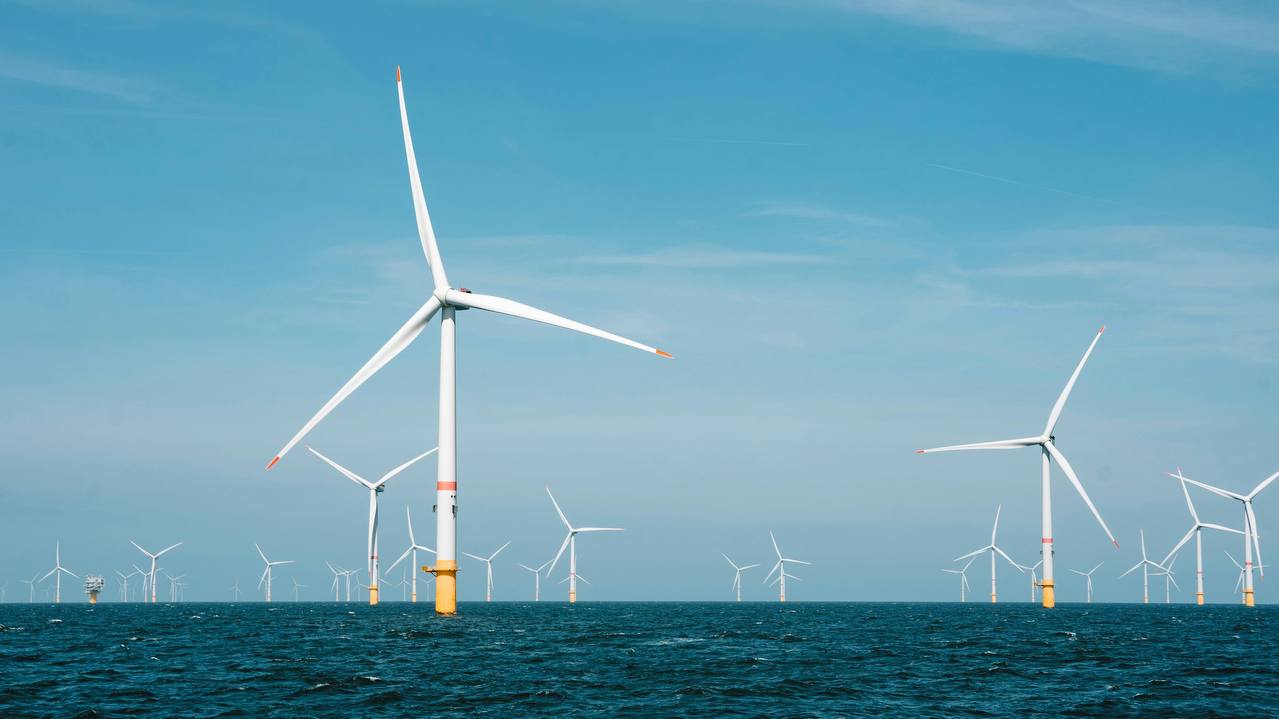
Offshore wind is a long-term investment—not a quick fix—for the Philippines’ energy challenges, but one that can strengthen energy security, economic resilience, and domestic industry, according to the Global Wind Energy Council.
As the country faces rising electricity demand, reliance on imported fuel, and growing climate risks, GWEC said offshore wind offers a pathway to a more stable and self-reliant power system—provided early groundwork is laid.
“Offshore wind should not be judged only by what it costs at the starting line, but by what it enables over time,” said Ann Francisco. “For the Philippines, this is about building long-term energy security, reducing exposure to imported fuel volatility, and creating the foundations of a new domestic industry.”
GWEC noted that offshore wind projects require heavy upfront investment, with 70 percent to 80 percent of lifetime costs incurred before operations begin. However, these projects typically run for 25 to 30 years, delivering stable, predictable power without fuel imports.
The group added that early-stage pricing—including the P11 per kilowatt-hour reserve price—reflects the realities of building a new industry under market-based conditions, similar to early offshore wind development in the United Kingdom and Taiwan.
Beyond cost considerations, GWEC said policymakers should weigh risk exposure. The Philippines’ dependence on imported coal and fuel leaves it vulnerable to global price swings and supply disruptions, while offshore wind offers a domestic, more predictable energy source once operational.
“Offshore wind is not just an energy project,” Francisco said. “If managed well, it can support environmental protection, industrial development, and coastal economic opportunity.”
GWEC emphasized that decisions made today will shape the country’s power system through 2040, underscoring the need for early investment to build a more resilient and secure energy future.