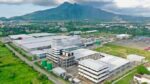
The Department of Agriculture (DA) has stepped up its push for regional food security with the turnover of a P67.63-million rice processing system to the municipal government, a move seen to reinforce the role of Palawan not just as a premier tourist destination but as a critical food-producing hub.
Agriculture Secretary Francisco P. Tiu Laurel Jr. led the ceremony in Barangay Antipuluan of Narra, where he underscored the strategic importance of investing in postharvest infrastructure in geographically isolated yet agriculturally vital provinces like Palawan.
“This is how we win back our edge in rice,” Tiu Laurel said. “We don’t just increase production, we make every kilo count by cutting losses, lowering costs, and ensuring farmers capture more value.”
“If we are serious about food security, then investments like this must reach places like Palawan, where the potential is high but logistics have long been a constraint,” he added.
The project, completed in October 2025, is funded under the Rice Competitiveness Enhancement Fund (RCEF) Mechanization Program and implemented by the Philippine Center for Postharvest Development and Mechanization. It features a multi-stage rice mill with a processing capacity of up to 3 tons per hour, complemented by four recirculating dryers with a 6-ton per batch capacity, designed to minimize postharvest losses.
The rice mill can run up to 16-20 hours, while it takes the dryer up to 12 hours to complete a batch.
Narra, often referred to as Palawan’s rice granary, is home to over 5,500 rice farmers cultivating more than 12,000 hectares. The new facility is expected to reduce production costs by as much as P3 per kilogram and cut postharvest losses by up to 5 percent—gains that could significantly improve local supply stability.
Strengthening rice sufficiency in Palawan carries implications beyond agriculture.
As one of the Philippines’ top tourism draws, the province faces unique pressures: rising demand from visitors, high food transport costs, and vulnerability to supply disruptions due to its island geography. Enhancing local rice production and processing capacity could help cushion these pressures, stabilize prices, and reduce dependence on shipments from mainland Luzon.
The modernization effort also aligns with the amended Rice Tariffication Law, which extended RCEF funding through 2031 and tripled annual allocation to P30 billion to boost rice farmers competitiveness. By integrating mechanization with postharvest systems, the DA aims to boost not only yields but also efficiency across the value chain.
The postharvest facility represents more than new machinery for rice farmers of NARRA. It signals a shift toward a more resilient, market-oriented rice sector in a province better known globally for its beaches than its fields.