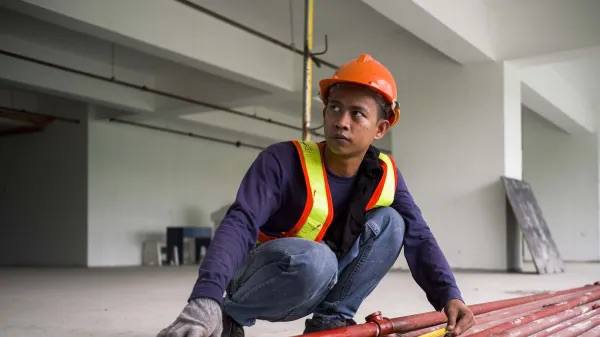
An initiative backed by the International Labour Organization (ILO) is equipping young Filipinos with green and digital construction skills, as the industry undergoes rapid transformation driven by sustainability and technology.
At a Partnership Forum on DigiGreen construction skills held Wednesday, March 25, in Quezon City, government, industry, and training institutions aligned efforts to prepare workers for what experts call a “twin transition”, the convergence of digitalization and environmentally sustainable building practices.
The shift presents both opportunity and risk. While construction remains one of the country’s largest employers, a widening skills gap could sideline many young workers if training fails to keep pace with evolving industry demands.
“The challenges and opportunities from the twin digital and green transitions are felt much more in the Philippines,” said Khalid Hassan. He emphasized the need to make training accessible, particularly for youth in low- to medium-skill brackets who stand to benefit most from emerging job opportunities.
At the core of the program are Building Information Modeling (BIM) and green construction practices. BIM — a digital system used to design, manage, and optimize building projects — is already standard in advanced construction markets such as Singapore and South Korea.
“BIM and green construction skills are among the most important starting points for leveraging the digital and green transitions,” said Hochul Shin.
The initiative reflects a broader push to future-proof the workforce while supporting sustainable growth, as policymakers and industry leaders seek to ensure Filipino workers remain competitive in a rapidly evolving global construction sector.