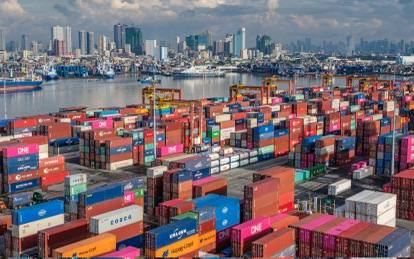
Key industry groups, led by the United Portusers Confederation of the Philippines, Inc. (UPC) and Philippine Exporters Confederation, Inc., have voiced strong support for the government’s energy emergency declaration and a new law allowing the suspension or reduction of excise taxes on petroleum products. They cited urgent relief for logistics and trade sectors grappling with rising fuel costs.
UPC president Ma. Flordeliza C. Leong highlighted fuel’s critical role in supply chains. “Fuel is the single most important cost driver in port operations and logistics. When oil prices spike, the impact cascades immediately—from trucking and shipping lines to warehousing and last-mile delivery,” she said, describing the measures as “timely lifelines” to curb costs and prevent operational disruption.
Leong noted that port users—including exporters, importers, brokers, and logistics providers—are already burdened by elevated bunker fuel prices, congestion costs, and shipping surcharges.
She stressed that easing oil taxes during periods of volatility could stabilize transport and handling expenses, helping keep Philippine goods competitive.
Sergio R. Ortiz-Luis Jr. of PHILEXPORT said the law gives exporters, particularly MSMEs, a crucial tool to mitigate global oil price spikes. He warned that rising fuel costs ripple across production and supply chains, noting that tax flexibility could “cut operating costs, prevent further price pass-through, and ultimately protect jobs and livelihoods.”
This coordinated backing underscores the sector’s push for swift government action to ensure logistics stability and preserve competitiveness amid volatile energy markets.