A fresh report from Agile Data Solutions Inc. suggests the latest spike in global oil prices could reshape how Filipinos think about mobility, potentially accelerating interest in electric vehicles (EVs), but not without persistent hurdles.
The study argues that rising fuel costs may serve as more than a short-term strain on household budgets. Instead, they could act as a tipping point, reframing EVs from an environmental choice into a financial hedge against volatile pump prices.
“The current oil price surge may prove to be more than a temporary disruption—it could act as a catalyst for long-term behavioral change,” the firm said.
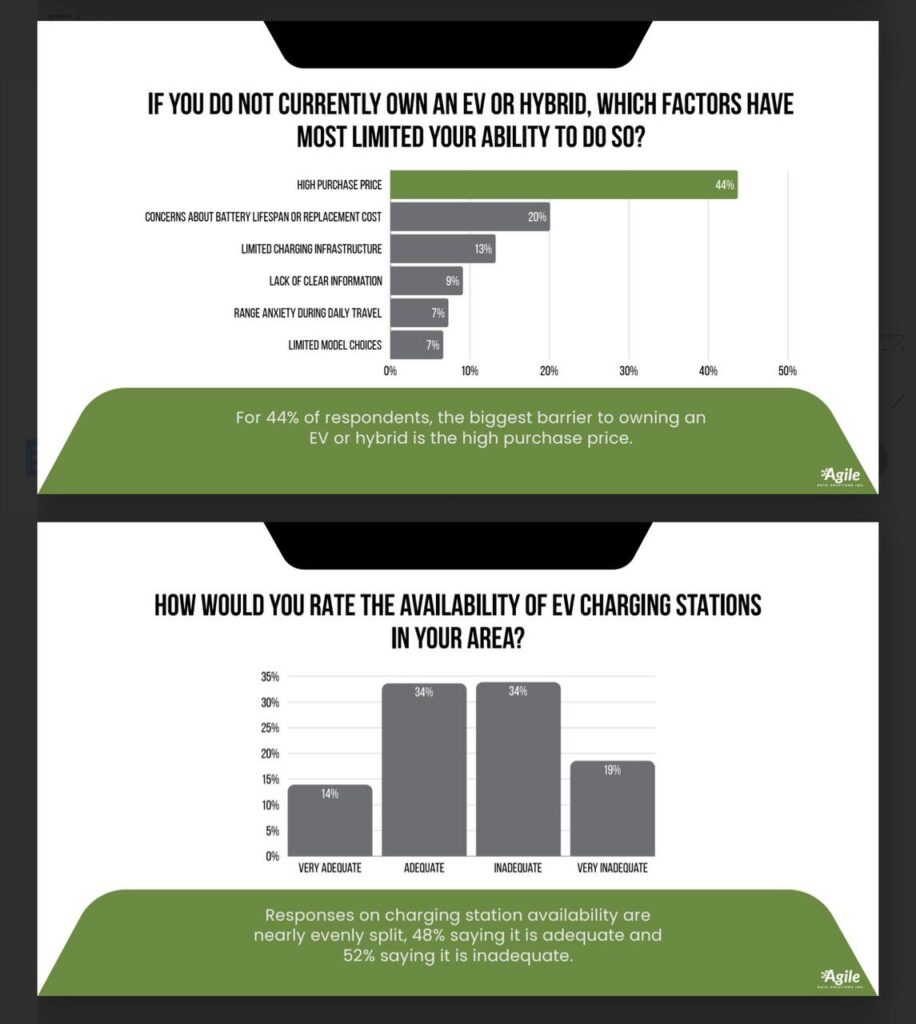
Yet the path to widespread adoption remains uneven. Affordability continues to dominate consumer concerns, with 44 percent of respondents identifying the high upfront cost of EVs as the primary deterrent.
Additional anxieties—including battery lifespan, replacement expenses, and limited charging infrastructure—further complicate purchasing decisions.
“For most households, the decision is still shaped less by environmental intent and more by financial practicality,” said Jason Gaguan, chairman and co-founder of the firm.
The data underscores that pragmatism still governs transport choices. Convenience (33 percent) and cost (27 percent) rank as the top decision drivers, while environmental considerations trail behind. This helps explain why many consumers view EVs as promising, but not yet practical.
Even so, sentiment may be shifting at the margins. Around 45 percent of respondents said they would consider purchasing an EV, with some indicating a willingness to save as fuel expenses climb.
Gaguan noted that the inflection point will hinge on execution. “The real test,” he said, “is whether EVs can move from being a future option to a practical choice today.”