In a country where lights rarely go out, McDonald’s Philippines is deliberately flipping the switch—again and again. The fast-food giant is turning Earth Hour’s symbolic 60 minutes into a sustained, month-long campaign, betting that repetition, not ritual, drives real change.
Instead of going dark just once on March 28 from 8:30 to 9:30 p.m., McDonald’s will power down non-essential lighting across more than 850 stores nationwide for four additional Saturdays in April. It’s a simple move with a pointed message: climate action shouldn’t be a one-night stand.
The initiative builds on the global Earth Hour movement, but with a pragmatic twist. By extending the effort, the company is nudging customers—and its own operations—toward habits that outlast hashtags. The goal is less about the blackout itself and more about what happens when the lights come back on.
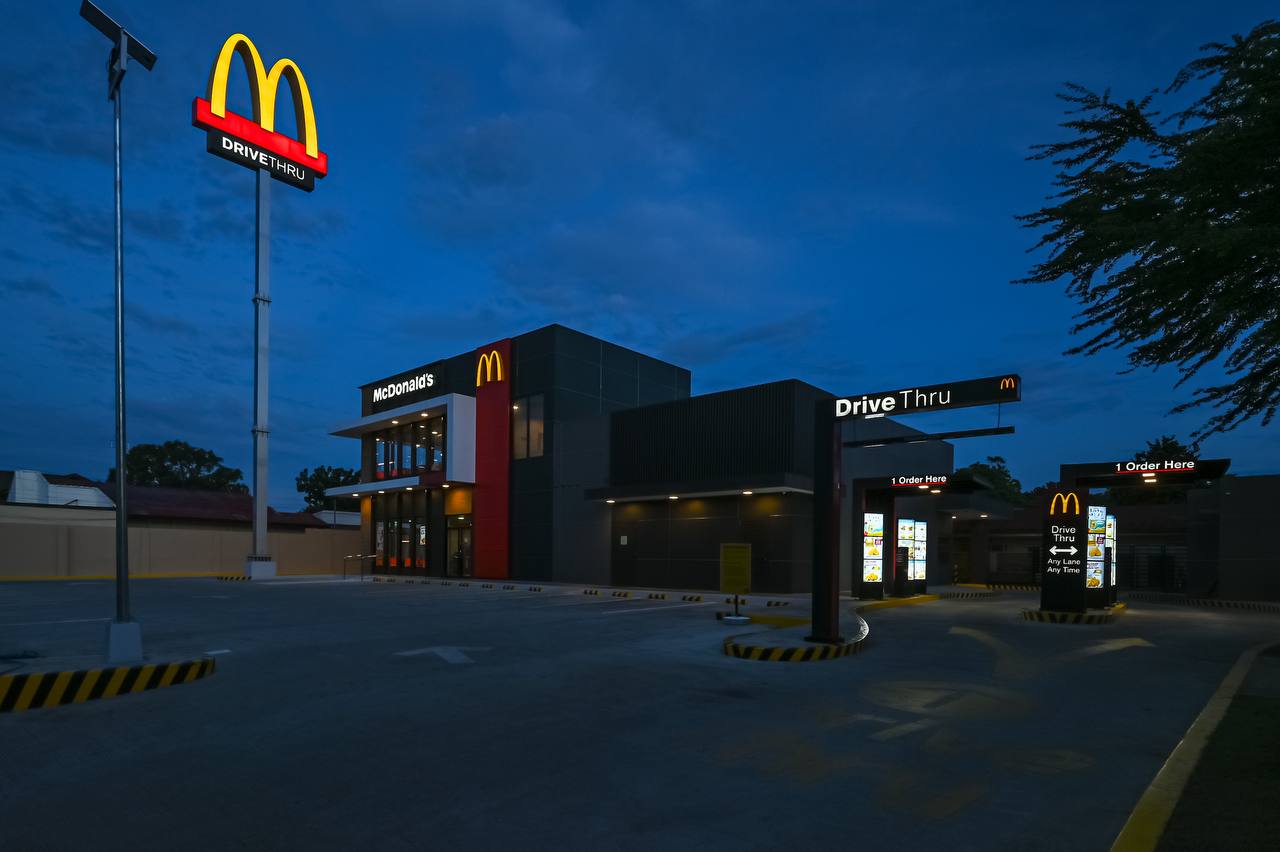
Behind the switch-off is McDonald’s “Green & Good” program, a catch-all for its growing list of sustainability measures. Some outlets now sport solar rooftops and lampposts, while rainwater harvesting systems quietly trim water use. Bike-and-dine facilities and repair stations, meanwhile, signal a push toward low-carbon mobility—fries with a side of fresh air.
Packaging is also under scrutiny, with ongoing efforts to cut plastic and improve waste management practices. Incremental? Yes. But in a business built on consistency and scale, small tweaks can add up quickly.
By stretching Earth Hour into a month-long cadence, McDonald’s Philippines is making a broader point: sustainability isn’t a stunt. It’s a system—one that works best when it’s repeated, routine, and, ideally, habit-forming.