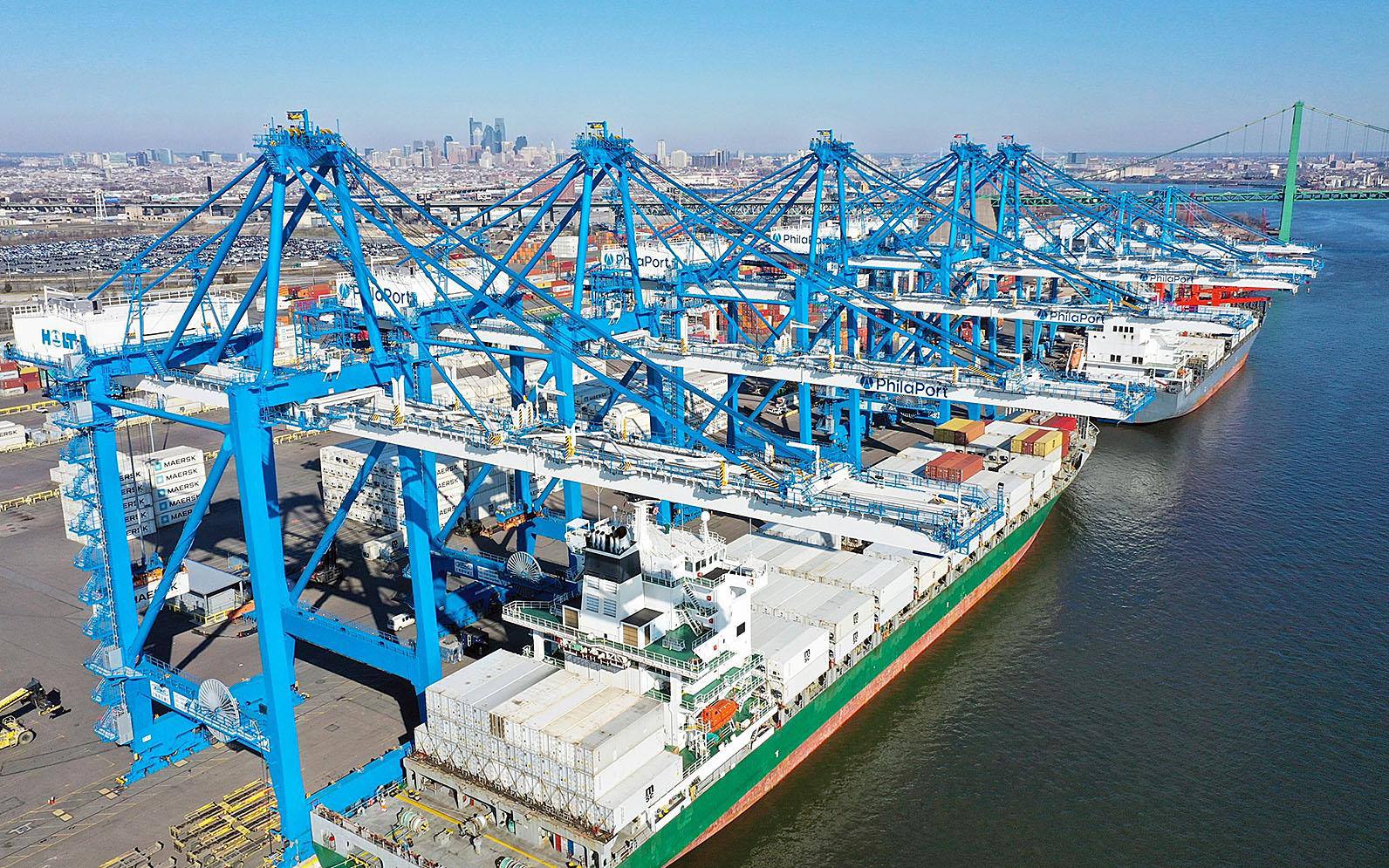
The Port of Philadelphia is rapidly cementing its position as a major driver of trade between the Philippines and the United States, offering new opportunities for exporters seeking faster and more efficient market access.
The port reached a record-breaking nearly 900,000 container units in 2025, marking a 6 percent increase from the previous year. This surge highlights its growing importance not just as an entry point, but as a critical distribution hub for Philippine goods across the U.S.
A key advantage is Philadelphia’s leadership in temperature-controlled cargo. With around two-thirds of imports requiring refrigeration, the port is especially well-suited for Philippine agricultural exports such as bananas, pineapples, and coconut oil—products that depend on reliable cold-chain logistics.
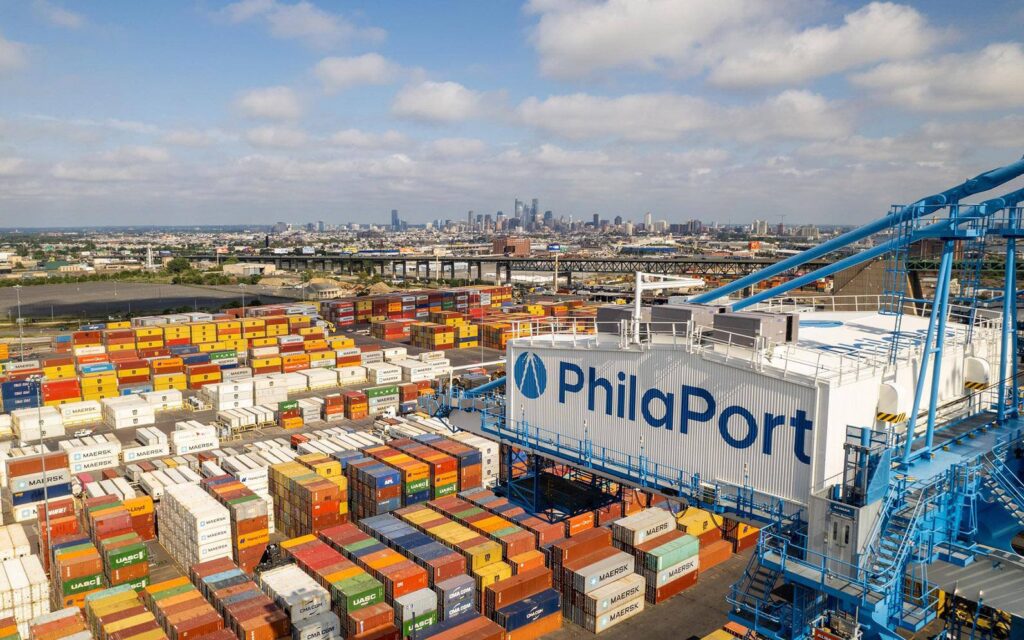
Growth has been equally striking over time, with container volumes jumping 39 percent since 2020. Combined with strong rail and trucking connections, this allows goods to move quickly from port to major consumer markets across the East Coast and Midwest, giving exporters a clear logistical edge.
At the same time, ASEAN–U.S. trade continues to expand, with regional exports surpassing $2 trillion in 2024. A 2025 preliminary trade agreement between Manila and Washington, which adjusted tariffs on key goods, is expected to further accelerate Philippine export activity.
While direct shipping links between Philadelphia and ASEAN are still in development, port officials say efforts are ongoing to establish these routes—potentially unlocking even greater trade flows.
Adding momentum, Philadelphia will host the WTCA Global Business Forum 2026 from April 19 to 22. The event is set to draw global business leaders, investors, and policymakers, with several Philippine firms already signaling strong interest in expanding into U.S. markets.
With its advanced infrastructure, strategic location, and growing global connections, Philadelphia is positioning itself as a powerful alternative to traditional West Coast entry points—offering Philippine exporters faster access, wider reach, and greater supply chain flexibility in an increasingly competitive global market.