Hotels across the Philippines are seeing a sharp drop in occupancy as the Middle East crisis drives up oil prices and disrupts travel demand, according to the 2026 Energy Crisis Impact Survey conducted by the Philippine Hotel Owners Association and Leechiu Property Consultants.
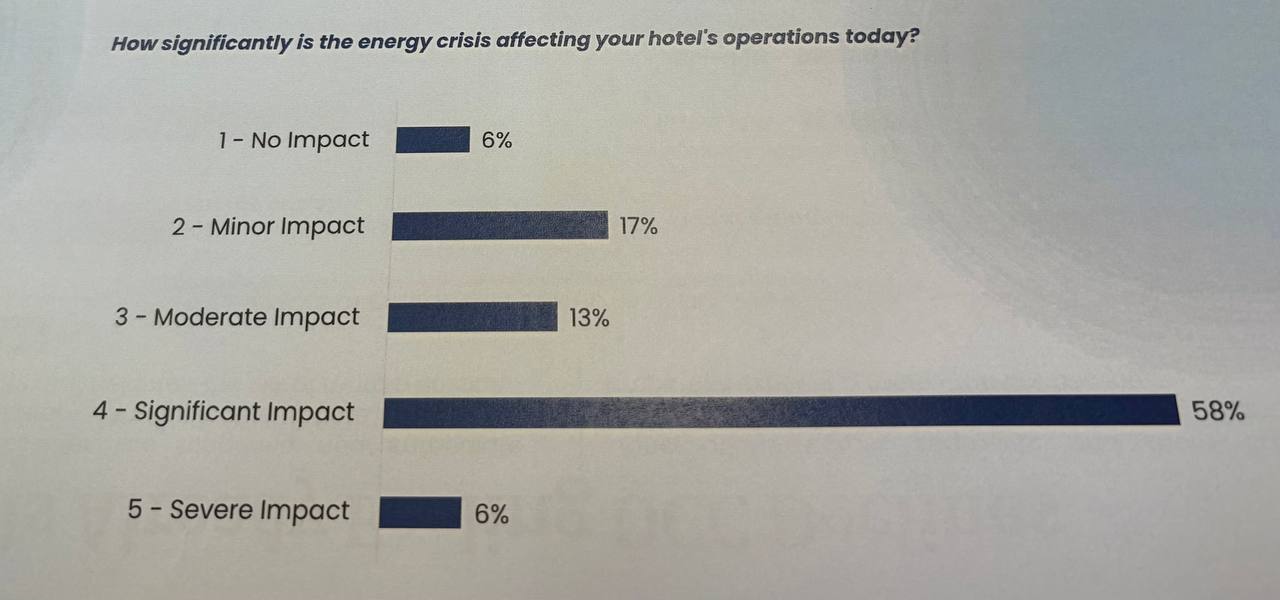
The survey found that about 80 percent of hotels have reported declining occupancy levels, while 64 percent said the impact on operations has been significant to severe—highlighting how surging fuel and energy costs are rapidly rippling through the tourism sector.
Alfred Lay, director for hotels, leisure and tourism at Leechiu Property Consultants, said the findings—based on responses from around 40 major hotel operators—show the crisis is being felt almost immediately. “Roughly 64 percent of respondents indicated a significant or severe impact on operations,” he said, noting that rising energy costs are influencing travel decisions from origin to destination.
Resort properties are among the most exposed, Lay said, due to their reliance on long-haul logistics and backup power systems. Higher fuel prices have pushed up the cost of transporting goods, staff, and guests, intensifying operational pressures.
While bookings remained relatively stable in April due to earlier reservations made before tensions escalated, the outlook from May onward has weakened significantly. Cancellations are increasing alongside reduced discretionary spending, with 66 percent of hotels expecting occupancy to fall by more than 10 percent—and many bracing for declines of up to 40 percent.
Lay added that the combined impact of rising costs and weakening demand is eroding gains made earlier this year. Corporate travel and MICE (meetings, incentives, conferences and exhibitions) are expected to be among the hardest hit segments, as companies cut back on travel amid heightened uncertainty.