In cities where green space often loses to concrete, researchers from Far Eastern University have found an unexpected set of campus regulars. Their study, published in the April issue of the Philippine Journal of Science, shows that butterflies and moths are quietly thriving in pockets of urban life.
These insects, collectively called Lepidoptera, are more than just eye candy. Think of them as nature’s tiny inspectors. When they stick around, it usually means the environment is still in decent shape.
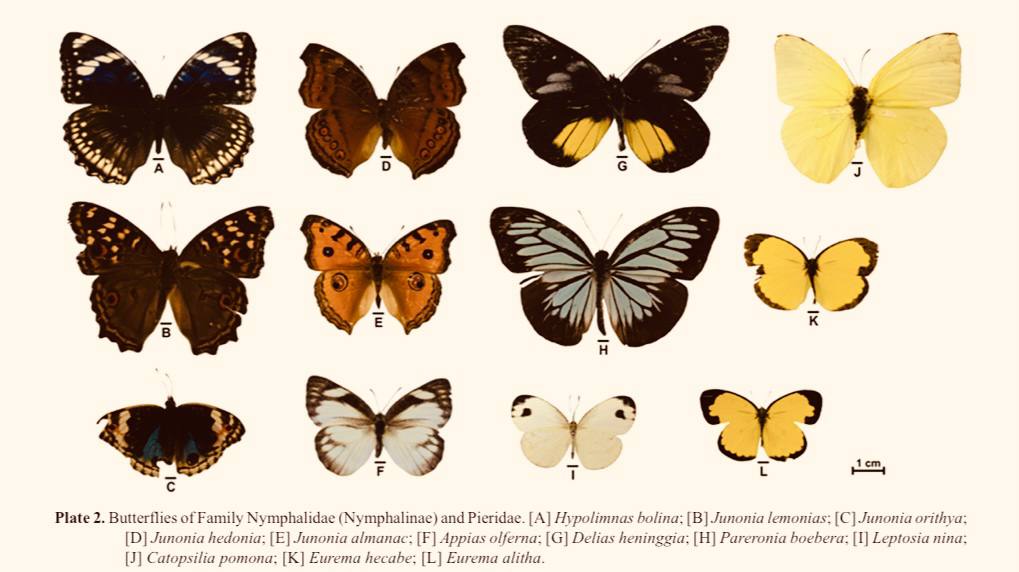
Surveying six campuses from Manila to Cavite between late 2024 and early 2025, the researchers recorded 82 species.
That is a surprisingly strong showing in a region where more than 70 percent of natural landscapes have already been replaced by buildings and roads. FEU Cavite led the count with 42 species, while other campuses posted moderate but uneven numbers.
Why campuses? Because to a butterfly, a landscaped garden is prime real estate. These insects rely on specific plants to survive, so even small green patches become lifelines in an otherwise concrete-heavy city. No plants, no butterflies. It is that simple.
Some species are not picky about where they hang out either. Researchers spotted them in gardens, shrubs, and even resting inside campus buildings. It turns out a quiet hallway can double as a pit stop.
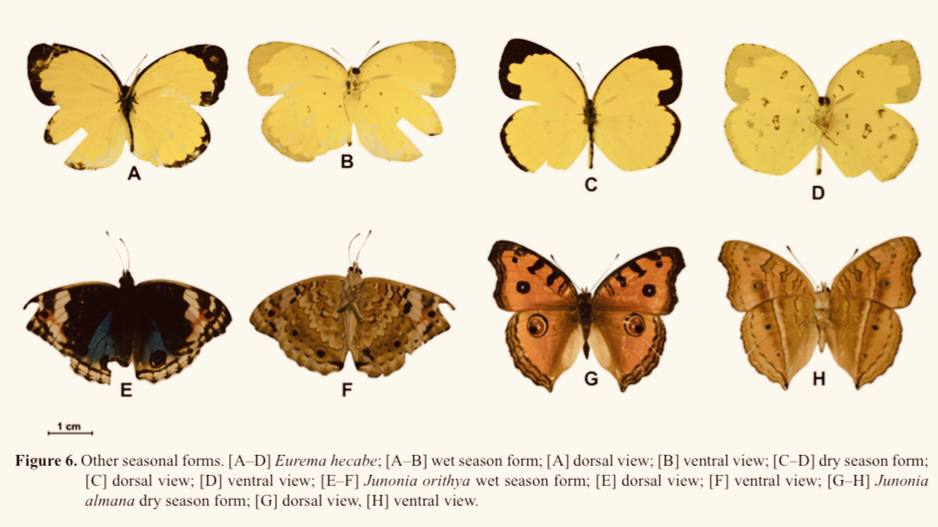
Still, the findings come with a caution. Urban pressures such as heavy foot traffic, pesticide use, and constant construction are squeezing these fragile habitats. Climate changes are also shifting when and where these insects appear.
The takeaway is both hopeful and sobering. Nature has not left the city, but it is operating on limited space.
For urban planners and schools, the message is straightforward. Those patches of green are not just for looks. They are working ecosystems. And every butterfly that shows up is a small sign that, despite the odds, the environment is still holding the line.