Philippine conglomerates are reshaping the country’s education landscape as part of a broader push to address long-standing productivity constraints, according to the 2026 Private Capital Report of Foxmont Capital Partners.
The early-growth investor highlights four major groups, SM Group, Aboitiz Economic Estates, PHINMA, and JG Summit, as case studies in how private capital is being deployed to better align education with labor market needs.
Across these initiatives, a common thread emerges. Education is being repositioned as a strategic lever for building human capital and sustaining economic growth.
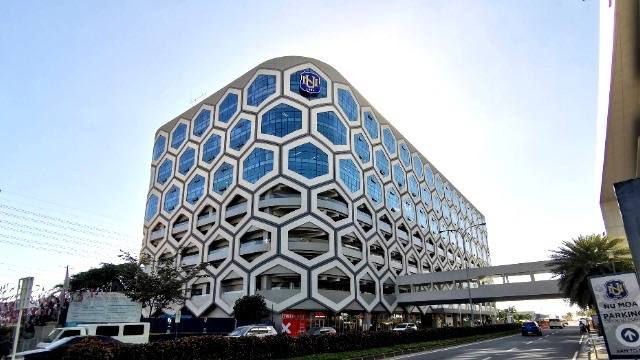
The SM Group has taken a scale-driven approach through its expansion of National University. Since acquiring NU in 2008, the conglomerate has built a nationwide campus network, often co-located with its mall developments.
By embedding schools in transit-accessible, high-traffic areas, SM reduces key barriers such as long commutes and safety concerns, factors closely linked to student attrition. The model effectively converts commercial real estate into an education distribution network, boosting participation in fields such as engineering, health sciences, and business.
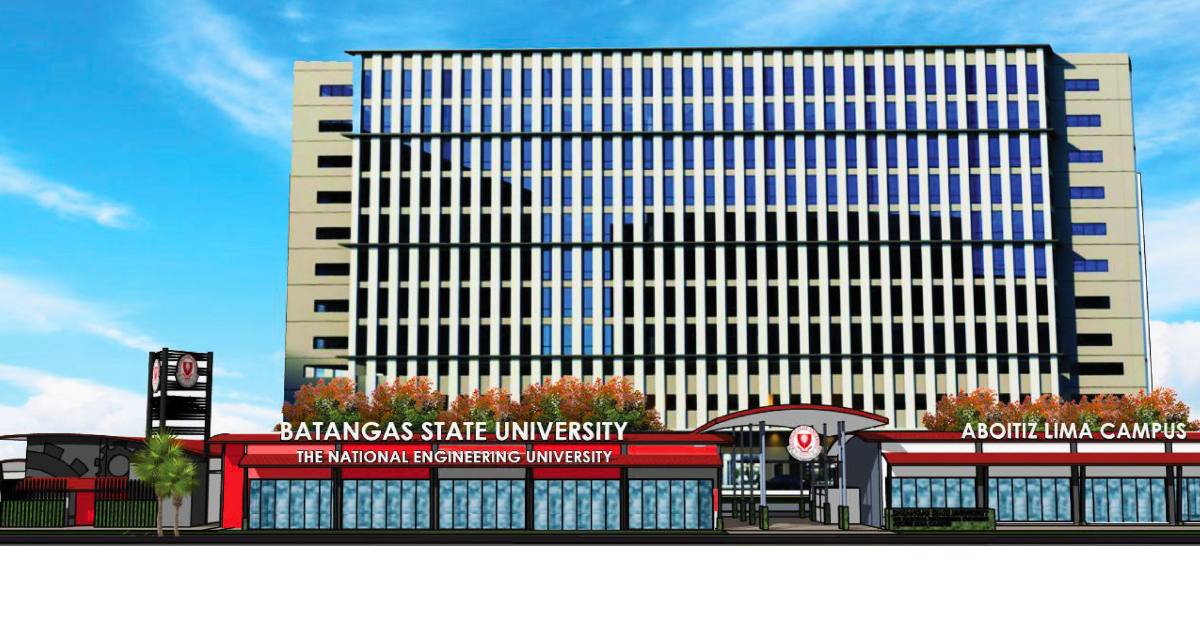
In contrast, Aboitiz Economic Estates integrates education directly into industrial zones. Its partnership with Batangas State University within LIMA Estate places students inside a functioning production environment.
This “living classroom” setup aligns academic programs with real-time industry demand, particularly in manufacturing and logistics, while providing extended hands-on training.
The approach helps ease school-to-work transitions and reduces hiring frictions for firms operating within the estate.
Meanwhile, JG Summit, through the Gokongwei Brothers Foundation, is pursuing a demand-led technical training model. Programs are designed with direct input from employers such as Universal Robina Corporation and combine classroom instruction with in-plant training. Strong employment outcomes underscore the effectiveness of this industry-driven approach in addressing skills mismatches.
A platform strategy is evident at PHINMA Education, backed by global investment firm KKR. Serving around 150,000 students, PHINMA focuses on affordable, job-oriented programs across multiple sectors. With institutional capital, the group has invested in systems that improve retention, completion rates, and workforce readiness, demonstrating how education can be scaled as productivity infrastructure.
Taken together, the cases suggest the Philippines’ challenge is not a shortage of talent, but gaps in systems and capital deployment needed to convert that talent into sustained productivity growth.