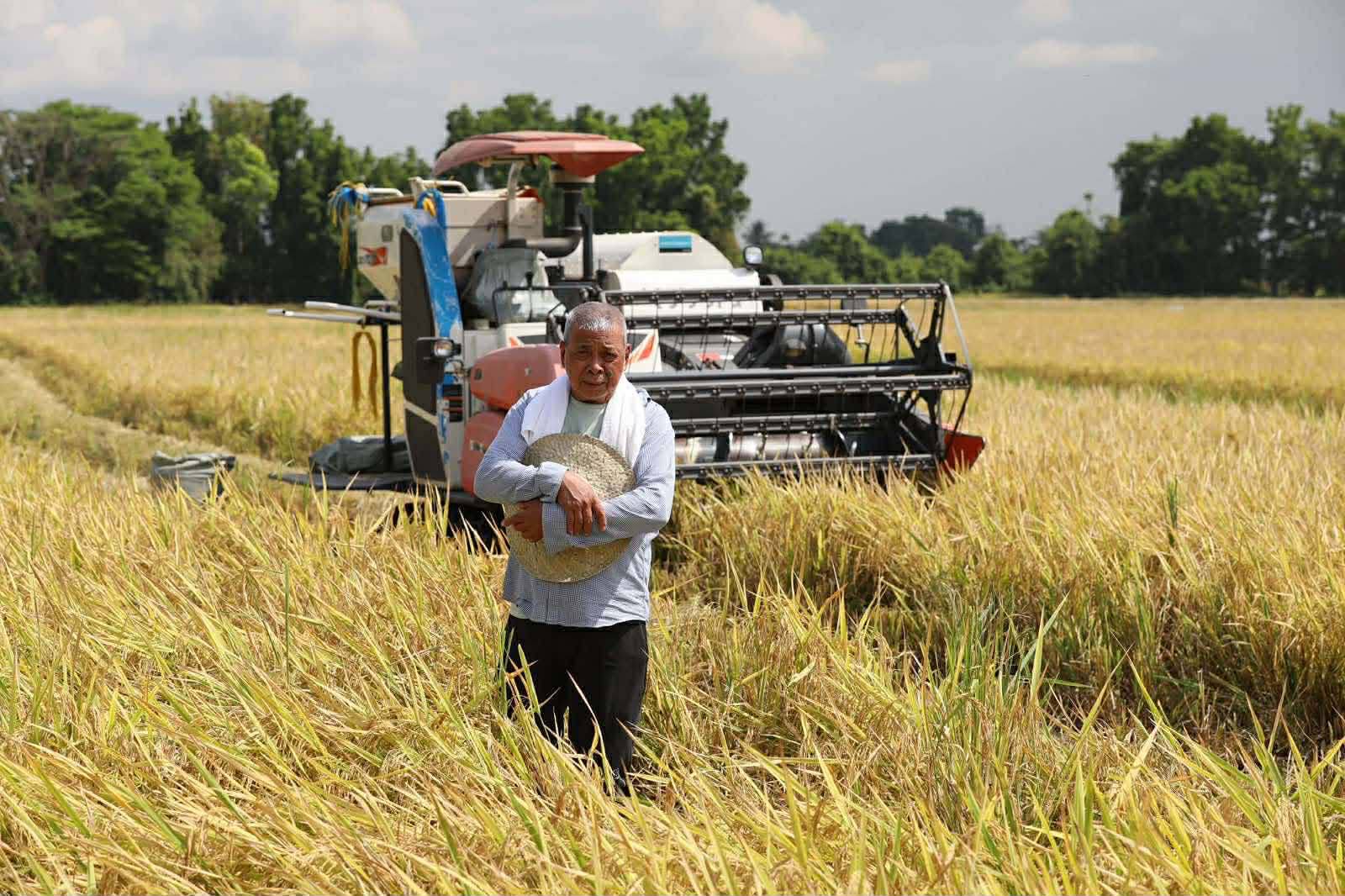
Micro, small, and medium enterprises (MSMEs) are at the forefront of efforts to raise farm incomes and generate jobs, the Department of Agriculture (DA) said Wednesday.
Agriculture Secretary Francisco Tiu Laurel Jr. emphasized that raw agricultural produce alone is not enough to uplift the sector, stressing that MSMEs play a critical role in adding value through processing, packaging, and wider market access.
“Raw produce is only the beginning. The real work starts when MSMEs step in,” he said during the National Food Fair organized by the Department of Trade and Industry.
More than 320 enterprises from across Luzon, Visayas, and Mindanao participated in the event, showcasing how basic commodities such as rice, fish, coconut, and cacao can be transformed into competitive, high-value products.
The DA underscored that strengthening MSMEs is central to the government’s broader push to transition agriculture from subsistence to value-added production under President Ferdinand Marcos Jr. The strategy aims to ensure that more income stays within rural communities by linking farmers and fisherfolk to enterprises that enhance product value and extend shelf life.
Despite the push for modernization, the agency maintained that keeping food prices affordable remains a top priority.
Imported rice currently sells between P55 and P60 per kilo, with prices expected to drop to around P50 pending a proposed price cap. Meanwhile, prices of key protein sources remain stable: tilapia at about P150 per kilo, bangus at P240 to P260, pork at P280 for imports and up to P360 for local supply, and chicken prices holding steady due to ample production.
“Step by step, the DA is working to bring balance back to the market,” Tiu Laurel said.
The DA also highlighted opportunities in high-value sectors such as coconut and noted the increasing number of returning overseas Filipino workers venturing into food enterprises. Initiatives like halal certification are further opening global market access for Filipino products.
Amid rising input and logistics costs driven by high oil prices, the agriculture chief called for stronger cooperation among stakeholders to sustain growth in the sector.